Why Avocados Turn Creamy, Stringy, or Brown: Pectin Breakdown, Polyphenol Oxidation, and the Salt‑Acid Rules for Better Guacamole, Toast, and Salads
RecipeSimpli
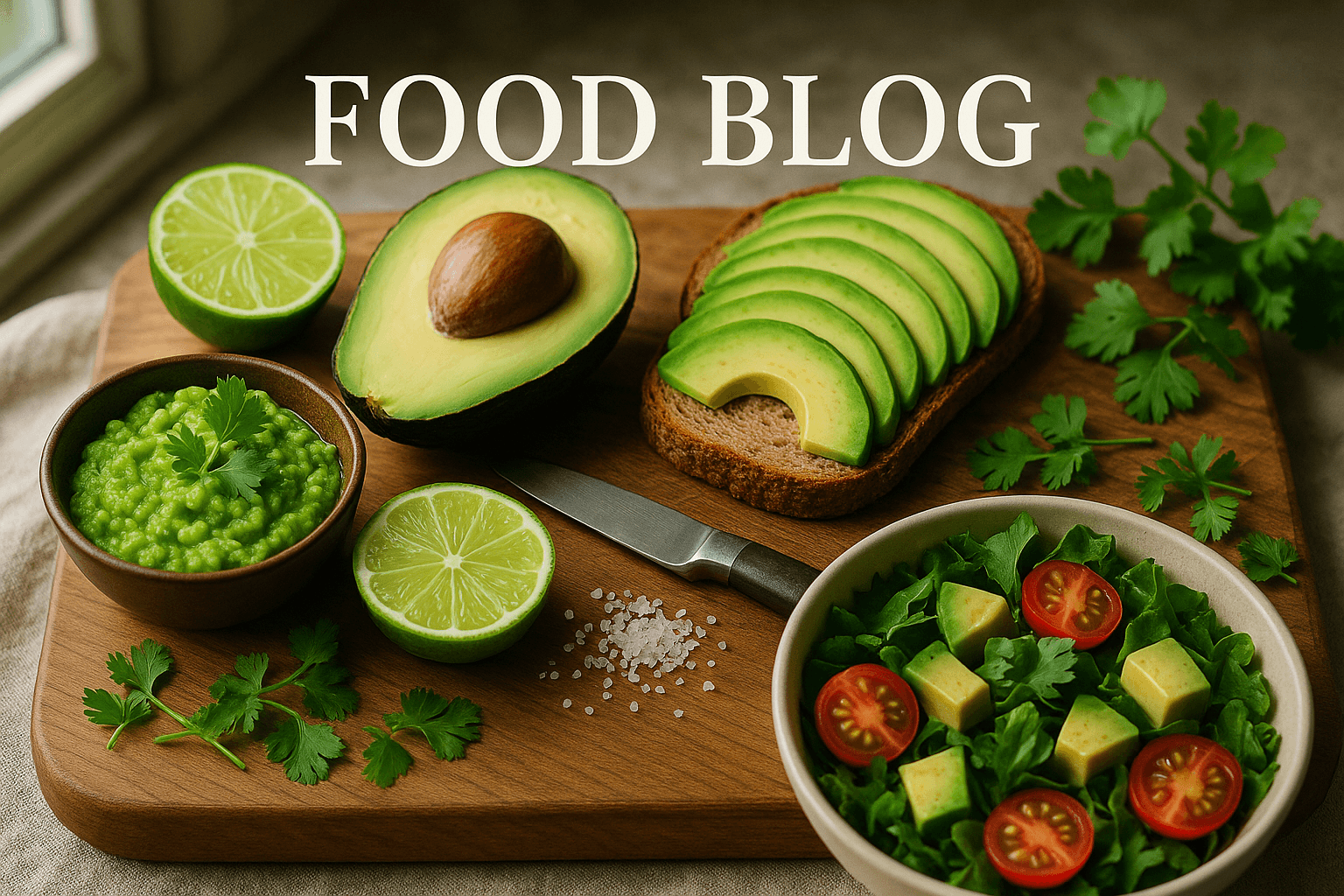
There is a brief, glorious window when an avocado feels like kitchen magic. Cut it open and the flesh yields like soft butter, rich but fresh, dense yet fluffy, ready to mash into guacamole, fan over toast, or tuck into a salad without collapsing. Miss that window by a day or two, though, and the same fruit can turn watery, streaked with strings, bruised brown, or oddly bland. Avocados are one of those ingredients that make cooks feel either deeply competent or irrationally betrayed.
The reason is that avocado quality is not controlled by a single switch called “ripe.” It is the moving result of cell wall breakdown, moisture distribution, oil accumulation, enzyme activity, oxidation, temperature history, and simple handling. What we casually describe as creamy, stringy, mushy, nutty, grassy, or brown are all visible and edible consequences of changes happening in the fruit’s structure and chemistry.
If you understand those changes, avocados become much easier to buy, ripen, season, cut, and store. You also stop expecting lime juice to perform miracles it cannot do, stop salting too late, and get better texture in guacamole, toast, salads, dressings, and avocado sauces. This is the science-first guide to what your avocado is actually doing, and what to do about it in a home kitchen.
Avocado ripening in context: why it softens after harvest
Unlike berries or citrus, avocados are climacteric fruits. That means they continue ripening after they are picked, driven by a burst of respiration and the plant hormone ethylene. They do not typically soften on the tree to ideal eating texture; they are harvested mature, then ripen off the tree over days.
That detail explains two very practical things:
- A hard avocado can become good.
- A mature avocado can still become bad in several different ways before you eat it.
The avocado most home cooks encounter is Hass, prized because its flesh is high in oil and tends to become especially rich and creamy. Other varieties may stay greener, larger, smoother-skinned, or lower in fat. That matters because “creamy” is partly a fat story and partly a cell wall story. A cultivar with lower oil can feel more watery even when ripe, while a high-oil fruit with proper softening feels lush and velvety.
Ripening also depends on harvest maturity. Avocados that were picked too early may soften externally but develop poor flavor or rubbery, uneven flesh. Fruit harvested at proper maturity has enough dry matter and oil content to ripen into the familiar buttery texture most people want.
Why avocados turn creamy: pectin breakdown and the softening of structure
A firm avocado is not just unripe because it is low in fat. It is firm because its cells are still tightly held together by structural polysaccharides in the cell walls and middle lamella, including pectin. As the fruit ripens, enzymes begin modifying and breaking down these materials.
The headline version: pectin breakdown loosens the cement between cells.
Several enzyme systems are involved in fruit softening, including pectin methylesterase and polygalacturonase, along with other cell-wall-modifying enzymes. You do not need to memorize all of them to cook better, but it helps to know what they accomplish. They gradually weaken the glue-like network that keeps the flesh rigid. As that network relaxes, the tissue becomes tender, spoonable, and eventually mashable.
At the same time, the avocado’s relatively high oil content gives the softened flesh its luxurious mouthfeel. Creaminess is not just softness. A ripe banana is soft, but it is not creamy in the same way. Avocados feel creamy because softened plant tissue is carrying a substantial amount of fat in a very fine, natural matrix. When the structure is just loose enough—but not collapsed—the result feels smooth and almost whipped.
This is why the best avocado for slices is often slightly firmer than the best avocado for guacamole.
- For neat slices on toast or in salads, look for an avocado that yields gently under light pressure, especially near the stem end, but does not feel baggy or sunken.
- For guacamole, a slightly softer fruit is ideal, one that gives evenly across the whole surface and mashes without leaving hard chunks.
- For dressings and sauces, fully ripe avocados blend best, but they should still smell fresh and look bright green to pale yellow inside, not grayish or heavily browned.
How long does ripening take?
At room temperature, around 68 to 72°F / 20 to 22°C:
- Hard, unripe avocados usually take 3 to 7 days to ripen.
- Very mature but firm avocados may ripen in 1 to 3 days.
- Once ripe, they typically hold well for 1 to 2 days at room temperature before quality declines.
In the refrigerator, around 36 to 40°F / 2 to 4°C:
- Ripening slows dramatically.
- A ripe avocado can often be held for about 2 to 4 more days with acceptable quality.
The paper bag trick: real or myth?
Real, with caveats. Put avocados in a loosely closed paper bag with a banana or apple, and those fruits release ethylene that can accelerate ripening. This works best when the avocado is mature but firm.
What it cannot do is fix a poor avocado. If the fruit was harvested too early, chilled improperly, bruised, or already internally damaged, a paper bag may simply speed you toward disappointment.
Why some avocados turn stringy
Stringiness is one of the most frustrating avocado defects because it is hard to detect from the outside. You cut into what seemed like a perfect fruit and discover threadlike fibers running through the flesh, especially from stem to blossom end.
These strings are usually vascular bundles—the fibrous transport tissues that moved water and nutrients through the developing fruit. All avocados have them, but in a good avocado they are unobtrusive. In some fruit they become prominent enough to affect texture.
Why does stringiness happen?
Several factors are associated with noticeable strings:
- Cultivar and genetics: Some varieties are naturally more prone to visible fibers than others.
- Environmental stress during growth: Irregular watering, heat stress, or nutrient imbalances can influence development.
- Maturity and season: Early- or late-season fruit may have more textural issues.
- Uneven ripening or storage history: Fruit that experiences temperature stress can develop off textures.
What matters in the kitchen is that strings are not usually a sign of danger; they are a sign of less-than-ideal texture. If the avocado otherwise tastes good, you can work around it.
Best uses for stringy avocados
- Blend them into dressings, smoothies, or avocado crema.
- Push mashed flesh through a coarse sieve if you want smoother guacamole.
- Avoid using stringy fruit for clean slices on toast or composed salads, where those fibers are most noticeable.
Can you predict stringiness at the store?
Not reliably, but there are small clues:
- Very small, irregularly shaped fruit may be more prone.
- Fruit from less consistent supply periods can vary more.
- If a batch from the same store has been repeatedly stringy, switch source or season.
Why avocados get watery spots, gray patches, or bruised areas
Not every bad texture is over-ripeness in the simple sense. Avocados can have localized defects that feel watery, slimy, rubbery, or brown.
Watery spots
Watery areas often result from tissue breakdown or chilling injury. If the fruit has been stored too cold before it was ready, cells can be damaged. When those cells lose integrity, the flesh may appear translucent, waterlogged, or dull.
Gray or brown bruised patches
These often come from impact damage. Because avocados soften from the inside as ripening progresses, rough handling can rupture cells. Once cut open, you see oxidized bruises or collapsed pockets where the tissue has been compressed.
Black strings or vascular browning
Sometimes the vascular bundles themselves turn dark. This is generally a quality issue linked to stress, maturity, or storage—not something seasoning can hide.
What to do
- Trim small damaged areas if the rest of the fruit is good.
- Discard if the flesh smells fermented, rancid, or sour.
- Use only pristine ripe flesh for raw presentations like sliced avocado salads or elegant toast.
- Reserve imperfect but sound flesh for blended sauces where minor visual flaws disappear.
Why avocados brown: polyphenol oxidation, not “going bad” all at once
The moment you cut or mash an avocado, you damage cells and expose their contents to oxygen. This allows an enzyme called polyphenol oxidase, or PPO, to contact phenolic compounds in the flesh. In the presence of oxygen, those compounds are converted into quinones, which then polymerize into brown pigments.
This is enzymatic browning, the same broad family of reaction that darkens apples, bananas, and potatoes.
A few important implications follow:
- Browning is accelerated by cutting, mashing, and large exposed surface area.
- Browning requires oxygen exposure.
- Browning is related to enzyme activity and available phenolic substrates.
- Browning does not necessarily mean spoilage. A lightly browned avocado may still be safe and taste fine, though the flavor can become flatter and the appearance less appealing.
Why mashed avocado browns faster than slices
Surface area. A halved avocado has one cut face. Guacamole has thousands of ruptured cells and huge exposure to oxygen. The more thoroughly you mash, the faster browning can appear on the exposed top layer.
Why the pit does not “protect” the whole half
The pit only blocks oxygen where it physically touches the flesh. That is all. Any uncovered area can still brown. Leaving the pit in guacamole is mostly cosmetic theater unless the pit is covering the exact zone you care about.
The salt-acid rules: what they do, and what they do not do
Many cooks are told that lime juice “stops” avocado browning. It does not, at least not completely, and not for very long. Acid can slow enzymatic browning, but in normal culinary amounts its more important effect is on flavor perception.
Salt and acid are better understood as tools for taste balance first, browning management second.
What salt does
Salt does not meaningfully prevent browning on its own. Its primary roles are:
- Amplifying flavor so avocado tastes nuttier, greener, and more itself
- Reducing bitterness and flattening of flavor
- Drawing moisture from watery ingredients like tomatoes, onions, and cucumbers in mixed dishes
- Helping guacamole taste vivid rather than fatty and muted
A ripe avocado without salt often tastes surprisingly dull. The fat coats the palate; salt sharpens the signal.
What acid does
Acid from lime, lemon, or vinegar changes avocado dishes in three important ways:
- Brightens flavor by adding contrast to the fruit’s richness
- Lowers pH, which can modestly slow PPO activity
- Balances perception of salt, making seasoning feel more integrated
But acid does not create a permanent anti-browning shield. Once oxygen exposure continues, browning wins. Also, too much acid can make guacamole taste harsh and thin, and can obscure the avocado’s floral, nutty qualities.
Practical salt-acid ratios
For 2 medium ripe Hass avocados (about 300 g edible flesh):
- Start with 1/2 teaspoon fine sea salt or kosher salt, then adjust
- Add 1 to 2 tablespoons fresh lime juice depending on use
General guide by application:
- Guacamole: 1/2 teaspoon salt + 1 to 1 1/2 tablespoons lime juice
- Toast slices: a pinch of flaky salt + 1 to 2 teaspoons lemon or lime over 1 avocado
- Salads: season the avocado separately with a pinch of salt and a few drops of acid before combining
- Blended avocado dressing: 1 avocado + 2 tablespoons lime juice + 2 to 4 tablespoons water + 1/2 teaspoon salt
The rule is simple: add enough acid to make avocado taste fresher, not enough to make it taste like lime puree.
The science of flavor perception: why seasoning order matters
Avocado is rich in fat but relatively subtle in acidity and aroma compared with herbs, onion, chile, or tomato. That means it can easily taste muted unless seasoned correctly.
Season early enough to distribute, but not so early that watery ingredients flood the bowl
For guacamole, the best sequence is often:
- Mash avocado with salt and lime first.
- Taste and adjust.
- Fold in onion, chile, herbs, and tomato last.
Why? Because salt dissolves and disperses more evenly when worked into the avocado itself. If you throw everything in at once, especially juicy tomatoes, you dilute the avocado and make it harder to judge seasoning.
Salt can rescue “bland ripe” avocados better than extra lime can
When an avocado tastes flat, many people instinctively add more acid. Sometimes that works, but often the missing piece is salt. Too much lime can make the mixture more sour without actually deepening the avocado flavor.
Acid should support aroma, not erase it
Good avocados have a subtle aroma: green, buttery, faintly nutty, sometimes almost mushroomy or floral. Excess lemon or lime can bulldoze those notes. In a bold guacamole with lots of onion and chile, more lime works. In a composed salad or elegant toast, restraint is better.
How to choose avocados for different dishes
Not all ripe avocados are equally suited to every job.
For guacamole
Choose avocados that:
- Yield evenly when gently pressed
- Feel heavy for their size
- Have no deep sunken spots
- Pass the stem-cap test: if the small stem nub flicks off easily and the flesh beneath is green, that is a good sign
Avoid fruit that feels hollow, sloshy, or extremely soft around isolated spots.
For toast or slicing
Choose fruit that is ripe but slightly firmer than guacamole-ripe. It should:
- Yield a little, not collapse
- Cut cleanly
- Hold fan-shaped slices without smearing
For salads
A salad avocado should be the firmest of the ripe range. Cold avocado slices best, so refrigerate a ripe avocado for 1 to 2 hours before cutting if you want especially neat cubes or wedges.
For dressing or sauce
Use fully ripe fruit. Appearance matters less if you are blending, but avoid oxidized or off-smelling flesh because those flaws show up in flavor.
Step-by-step: better avocado prep for guacamole, toast, salads, and sauces
1) Guacamole with clean avocado flavor and stable texture
Ingredients
- 3 ripe Hass avocados, about 450 g flesh total
- 3/4 teaspoon kosher salt, or 1/2 teaspoon fine sea salt, plus more to taste
- 1 1/2 tablespoons fresh lime juice
- 2 tablespoons finely minced white onion
- 1 small serrano or jalapeño, minced
- 2 tablespoons chopped cilantro
- 1 small tomato, seeded and diced, optional
Method
- Halve and pit the avocados. Scoop flesh into a medium bowl.
- Add salt and lime first. Mash with a fork or potato masher until mostly smooth with some chunks.
- Taste immediately. It should already taste good before anything else goes in. If it seems flat, add another pinch of salt before more lime.
- Fold in onion, chile, cilantro, and tomato. Stir gently to avoid turning it watery.
- Serve right away or store with plastic wrap pressed directly onto the surface.
Why this works
- Salt disperses evenly in the fat-rich avocado.
- Lime is present where browning begins but is used in a flavor-first amount.
- Watery mix-ins go in last to protect texture.
Common mistakes
- Adding too much tomato: excess water dilutes flavor and speeds surface weeping.
- Using coarse raw onion in large pieces: harshness overwhelms avocado.
- Over-mashing: creates a gluey-looking puree and exposes more surface area to oxygen.
2) Avocado toast with crisp structure and full flavor
Ingredients for 2 toasts
- 1 ripe but slightly firm avocado
- 2 slices sturdy bread, toasted well
- 1/4 teaspoon flaky salt or a generous pinch fine salt
- 1 to 2 teaspoons lemon or lime juice
- Optional: olive oil, chile flakes, radish, herbs, soft-boiled egg
Method
- Toast the bread until deeply crisp. A pale toast goes soggy too quickly.
- Cut avocado just before serving.
- Slice or lightly crush onto the toast.
- Season immediately with salt, then acid.
- Add toppings only after the avocado is properly seasoned.
Why this works
Salt directly on the avocado wakes up flavor before toppings distract the palate. Acid added after salt keeps the seasoning vivid. Crisp toast creates textural contrast against the fat-rich fruit.
Common mistakes
- Putting avocado on warm but not crisp bread: moisture migrates, making it gummy.
- Under-salting because toppings seem salty enough: the avocado itself still needs seasoning.
- Acid too early on slices stored for later: cut avocado still browns, and excess acid can make the surface wet.
3) Avocado in salads without mush or gray edges
Method for 1 to 2 avocados
- Chill ripe avocados for 1 to 2 hours for firmer cutting.
- Cut into wedges or cubes just before serving.
- Toss separately with 1 teaspoon lemon or lime juice and a pinch of salt per avocado.
- Fold gently into the salad at the very end.
Why this works
Pre-seasoning gives the avocado flavor instead of leaving it bland among dressed greens. Folding it in last prevents mechanical damage and browning from prolonged exposure.
Pairing rule
Avocado likes contrast. Pair it with:
- bitter greens like arugula or chicories
- crunchy vegetables like cucumber or fennel
- juicy elements like citrus segments
- sharp dressings with mustard, yogurt, or sherry vinegar
4) Blended avocado dressing or sauce that stays smooth
Ingredients
- 1 ripe avocado
- 2 tablespoons lime juice
- 2 to 4 tablespoons cold water
- 2 tablespoons olive oil or yogurt, optional
- 1/2 teaspoon salt
- 1 small clove garlic, optional
- Herbs such as cilantro, dill, or parsley, optional
Method
- Blend avocado, lime juice, salt, and 2 tablespoons water until smooth.
- Add more water 1 tablespoon at a time until pourable.
- Taste for salt before adding more acid.
- Use immediately or refrigerate in a tightly sealed container with plastic pressed on the surface.
Storage note
Even blended avocado dressings discolor with time. Plan to use within 24 hours for best color and within 2 days for acceptable flavor.
Storage rules that actually help
Because oxygen drives browning and cold slows enzyme activity, the best storage strategy combines minimal air exposure with refrigeration.
Whole avocados
- Ripen at room temperature until ready.
- Refrigerate once ripe to buy 2 to 4 extra days.
Cut avocado halves
- Leave the half intact rather than slicing it.
- Brush or rub the cut surface with 1/2 teaspoon lemon or lime juice.
- Wrap tightly in plastic so the wrap touches the surface directly.
- Refrigerate and use within 1 day, ideally 12 hours.
Guacamole or mashed avocado
- Pack into the smallest possible container.
- Smooth the top to remove air pockets.
- Press plastic wrap directly onto the surface.
- Seal and refrigerate.
- Use within 24 hours for best color and texture.
Some cooks add a thin layer of water on top, then pour it off before serving. This can reduce oxygen exposure surprisingly well, especially for restaurant-style guacamole held briefly. If you try it:
- Add enough cool water to form a thin surface layer, about 2 to 3 tablespoons for a cup of guacamole.
- Cover and chill.
- Pour off carefully and stir before serving.
This works better than extra lime when the goal is color preservation, because it is physically limiting oxygen contact.
Common avocado problems and how to respond
Problem: It is soft outside but hard near the pit
Likely uneven ripening, sometimes due to temperature history or immature harvest. Use the soft parts for mash if flavor is good; avoid for slices.
Problem: It tastes bland even though texture is perfect
Add salt first. Then add a little acid. If still bland, the fruit itself may have lower oil content or weaker flavor.
Problem: It turned brown in the fridge despite lime juice
Normal. Acid slows but does not stop PPO-driven browning. Reduce oxygen exposure more aggressively next time.
Problem: Guacamole turned watery overnight
Likely from tomatoes, onions, or overripe fruit releasing moisture. Store without watery mix-ins if making ahead; fold them in before serving.
Problem: It has long fibers
Blend, sieve, or reserve for dressing instead of slices.
Problem: The flesh has black or sour spots
Trim only minor bruises. If the aroma is fermented, discard.
Advanced tip: temperature affects both texture and flavor
Cold avocados taste less aromatic. If you have refrigerated a ripe avocado, let it sit at room temperature for 15 to 30 minutes before serving sliced on toast or in salads if you want fuller flavor. For cutting precision, though, a slight chill is useful.
This gives you a practical tradeoff:
- Serve slightly cool for cleaner cuts
- Serve closer to room temperature for fuller flavor and creamier mouthfeel
For guacamole, room-temperature avocados mash more easily and taste rounder.
Cultural context: guacamole is not just mashed avocado with lime
Guacamole has deep roots in Mexican foodways, and its best versions respect avocado rather than burying it. Depending on region, style, and household, guacamole can be chunky or smooth, fiery or mild, sparse or full of mix-ins. What unites good versions is balance: enough salt to wake the fruit up, enough acid and chile to frame it, and enough restraint to let the avocado remain the point.
That same lesson applies well beyond guacamole. Avocado on toast became globally trendy because it showcases this fruit’s ideal texture with minimal intervention. In salads, sushi, grain bowls, milkshakes, and sauces across different cuisines, avocado works because it contributes fat, softness, and mellowing power. But because it is mild, it rewards thoughtful seasoning more than heavy-handed treatment.
The home-cook rules that matter most
If you remember only a handful of things, make them these:
1. Creaminess comes from ripening plus fat
A ripe avocado becomes creamy because enzymes break down pectin-rich structure and soften the tissue, while its oil content gives richness. Perfect texture is a narrow target.
2. Stringiness is usually a structural defect, not a seasoning problem
Those fibers are vascular bundles made more noticeable by variety, growing conditions, or storage history. Blend or mash stringy fruit; do not waste your best toast on it.
3. Browning is enzymatic oxidation
When avocado flesh meets oxygen, polyphenol oxidase drives the formation of brown pigments. Browning is faster in mashed avocado because exposed surface area is huge.
4. Lime helps, but oxygen control helps more
Acid can modestly slow browning, but direct surface contact with plastic wrap, small containers, and refrigeration do more in practice.
5. Salt is not optional
If your avocado dish tastes dull, salt is often the missing link. Add it early enough to distribute evenly.
6. Match ripeness to use
- Slightly firm-ripe for slices and salads
- Fully ripe for guacamole and sauces
- Overripe belongs nowhere except maybe the compost
7. Handle avocados gently and cut them late
The less bruising and oxygen exposure, the better the flavor, color, and texture.
A good avocado is one of the most satisfying ingredients in the kitchen because so little stands between you and something luxurious. But that also means every choice matters: the fruit you buy, how long you let it ripen, whether you chill it, when you salt it, how much acid you add, and how carefully you limit air. Learn the fruit’s chemistry and the daily annoyances suddenly become predictable. The creamy stage stops being luck. The brown top layer stops feeling mysterious. The difference between a flat guacamole and one you cannot stop eating comes down to a few precise, very manageable rules.
In other words, the avocado is not fickle. It is simply honest. It shows you exactly what happened to its cell walls, enzymes, oxygen exposure, and seasoning. Once you know how to read that, better guacamole, better toast, and better salads are not a matter of hope. They are technique.