RecipeSimpli
Create RecipeBrowseArticlesToolsPricing
Articles & Tips

Cooking Articles & Kitchen Wisdom

Expert tips, recipe ideas, and culinary techniques to elevate your cooking

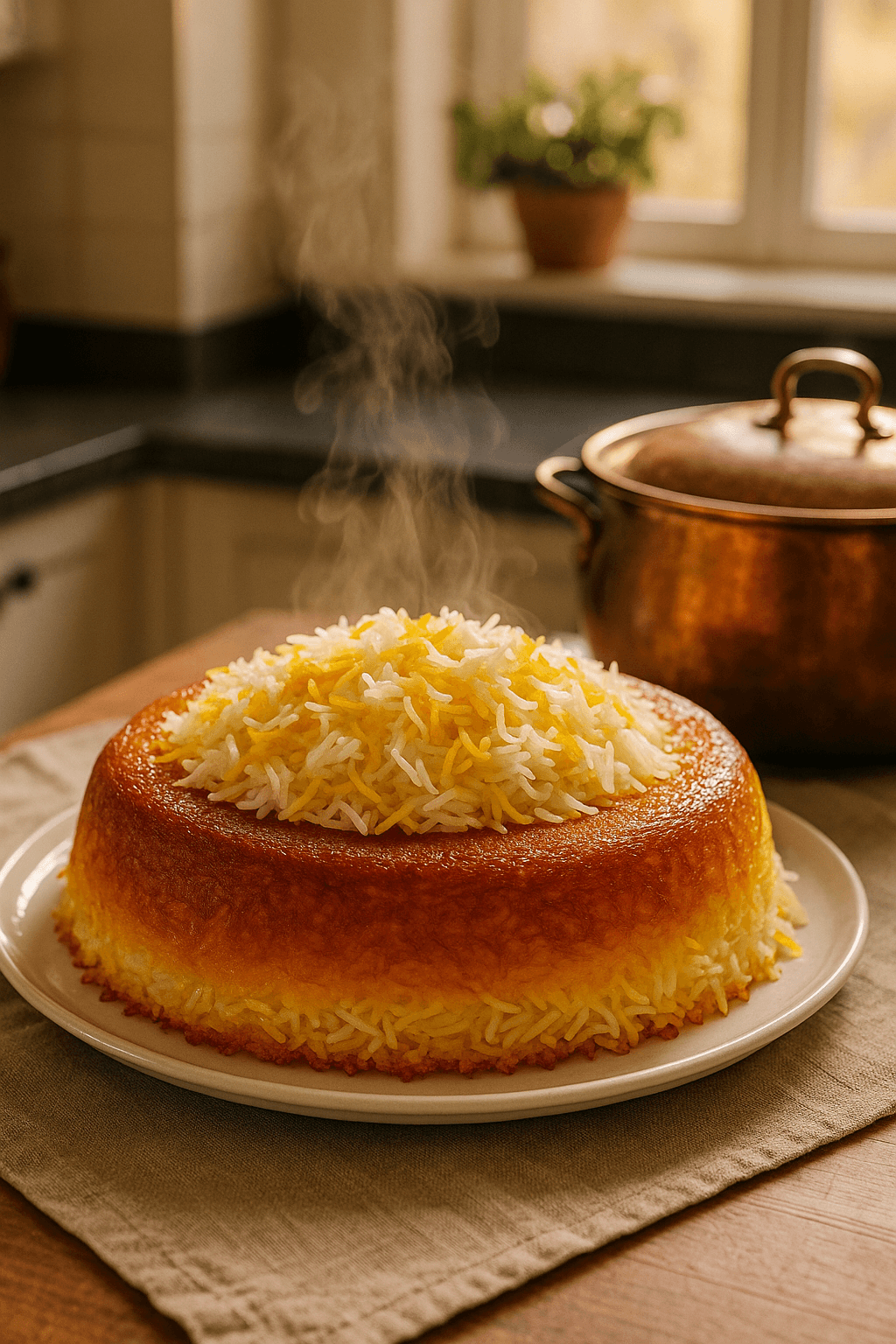
Why Tahdig Turns Shatter-Crisp, Pale, or Stubbornly Stuck: Starch Gelation, Steam Management, and the Pot Rules Behind Persian Crispy Rice

Why Tahdig Turns Shatter-Crisp, Pale, or Stubbornly Stuck: Starch Gelation, Steam Management, and the Pot Rules Behind Persian Crispy Rice

A science-first guide to Persian tahdig: how starch, steam, fat, and pot choice determine whether crispy rice turns golden, cohesive, and release-ready.

RecipeSimpli
26 min read
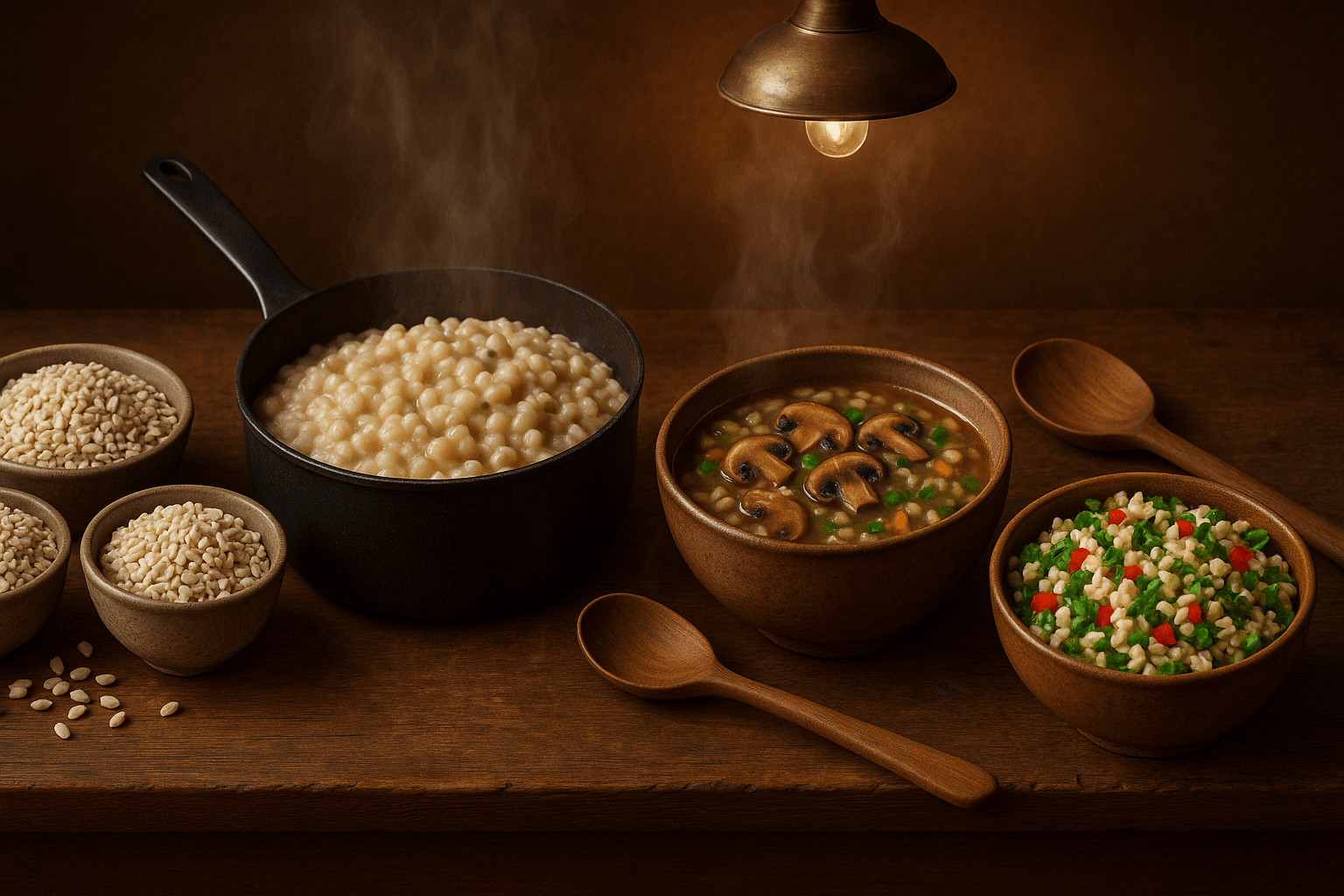
Why Pearled, Hulled, and Quick Barley Cook So Differently: Beta‑Glucan Solubility, Bran Structure, and the Toast‑Simmer Rules for Better Soups, Risotto, and Grain Salads

Why Pearled, Hulled, and Quick Barley Cook So Differently: Beta‑Glucan Solubility, Bran Structure, and the Toast‑Simmer Rules for Better Soups, Risotto, and Grain Salads

A science-first guide to barley cooking: how bran, beta-glucans, toasting, salt, acid, and finishing fats shape texture in soups, risotto-style barley, salads, porridges, and teas.

RecipeSimpli
22 min read
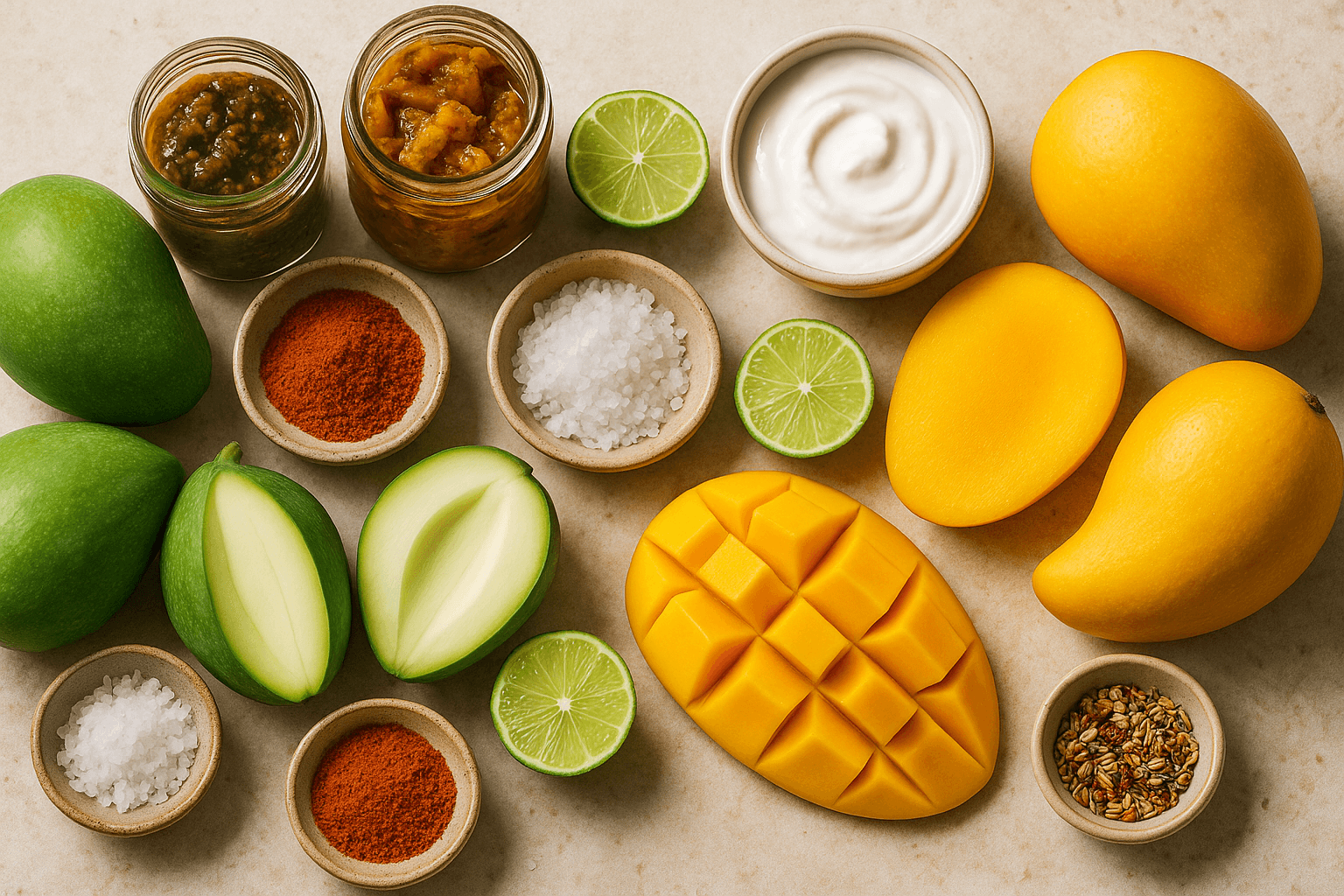
Why Ripe and Unripe Mangoes Behave So Differently: Pectin Breakdown, Terpene Aroma, and the Salt‑Chili‑Heat Rules for Better Salads, Pickles, Chutneys, and Lassi

Why Ripe and Unripe Mangoes Behave So Differently: Pectin Breakdown, Terpene Aroma, and the Salt‑Chili‑Heat Rules for Better Salads, Pickles, Chutneys, and Lassi

A science-first guide to mango cookery: pectin, starch-to-sugar changes, terpene aroma, texture, heat, salt, and practical rules for better salads, pickles, chutneys, and lassi.

RecipeSimpli
23 min read
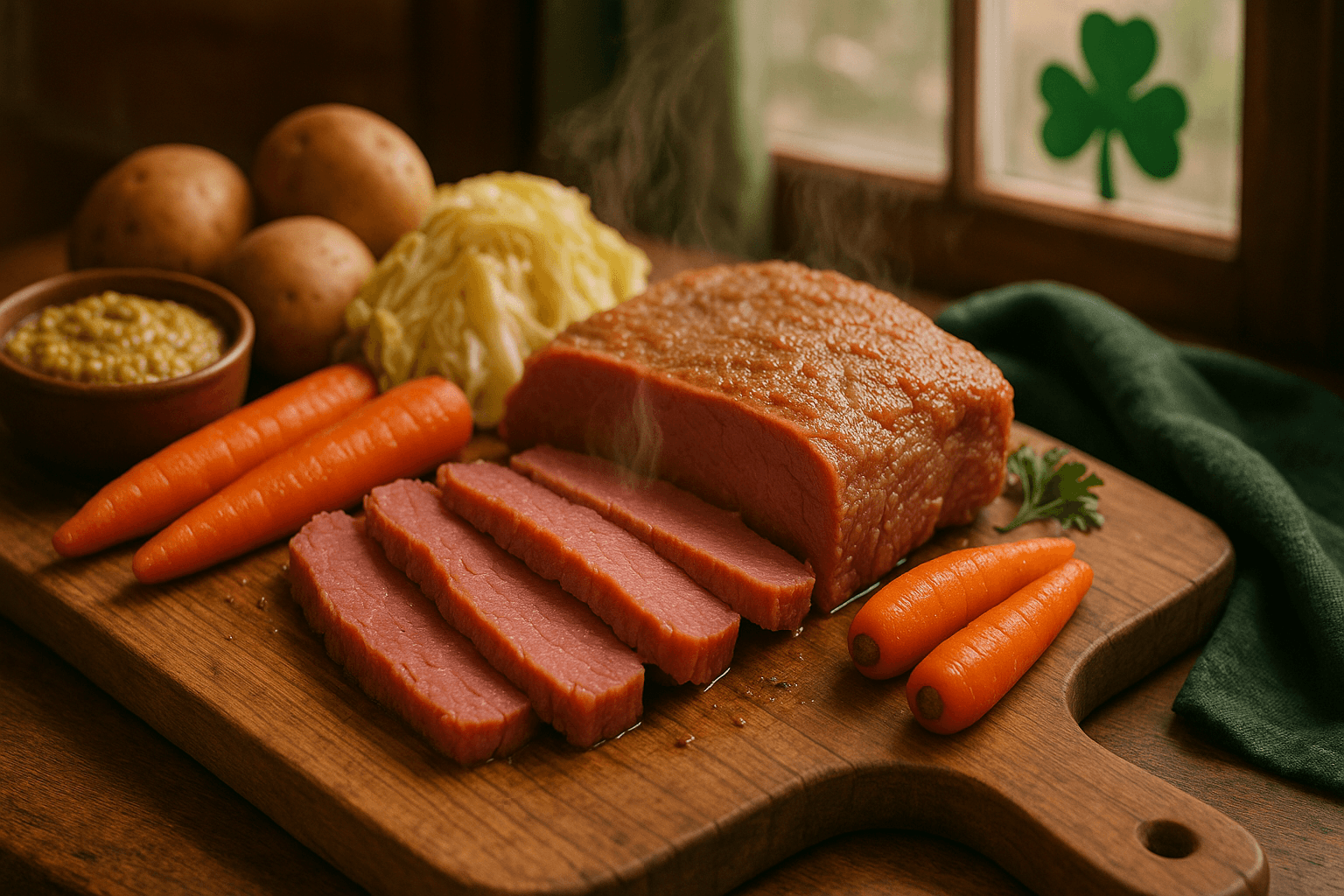
Why Corned Beef Turns Sliceable, Stringy, or Fall-Apart Soft: Brine Diffusion, Nitrite Chemistry, and the Simmer‑Steam Rules for Better St. Patrick’s Day and Deli‑Style Results

Why Corned Beef Turns Sliceable, Stringy, or Fall-Apart Soft: Brine Diffusion, Nitrite Chemistry, and the Simmer‑Steam Rules for Better St. Patrick’s Day and Deli‑Style Results

A science-first guide to corned beef: brining, nitrite chemistry, flat vs. point, simmering vs. boiling, slicing, home-curing safety, and better St. Patrick’s Day or deli-style results.

RecipeSimpli
22 min read
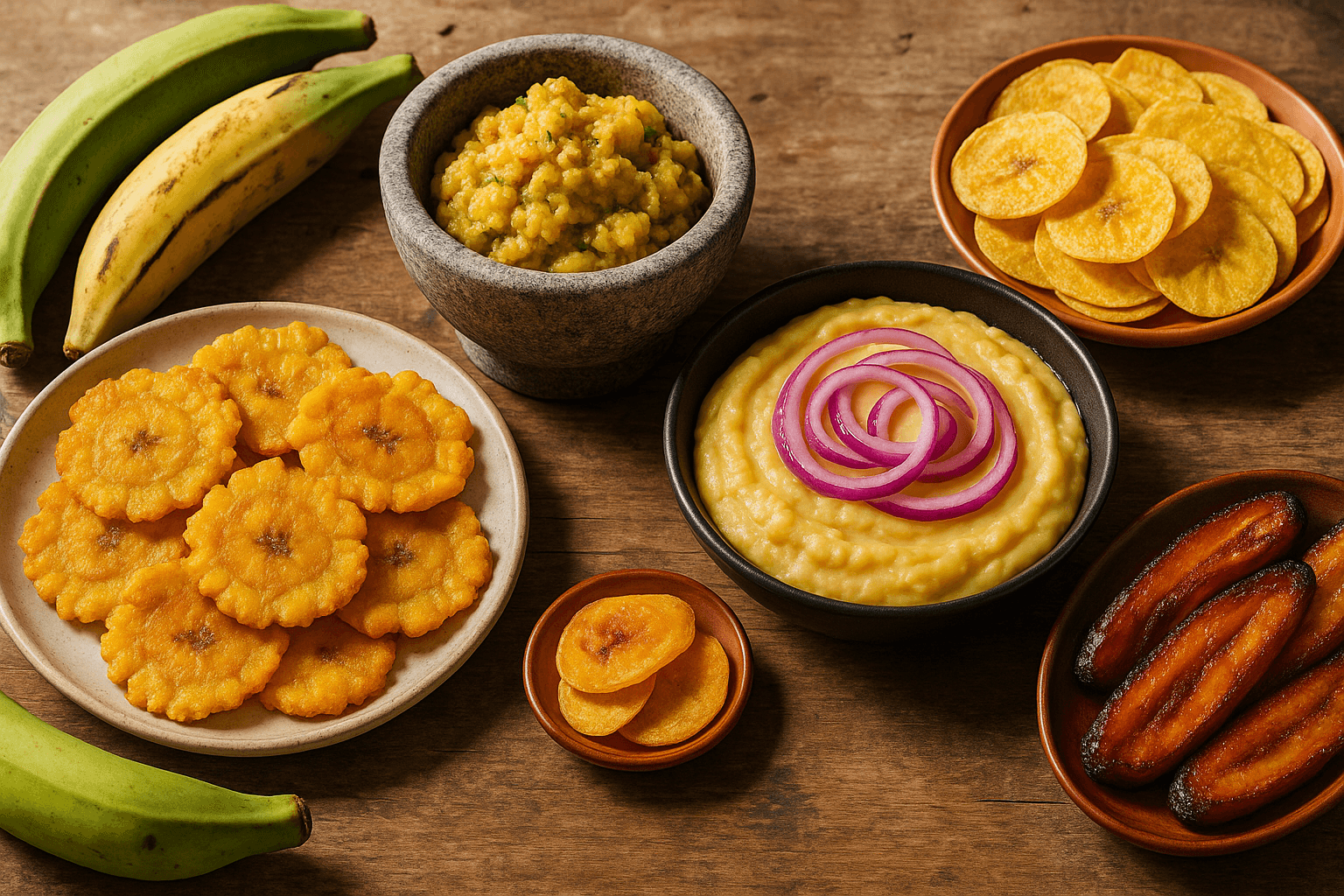
Why Green Plantains Fry Crisp, Boil Waxy, or Mash Stretchy: Resistant Starch, Pectin Tightness, and the Soak‑Fry Rules Behind Tostones, Mofongo, and Mangú

Why Green Plantains Fry Crisp, Boil Waxy, or Mash Stretchy: Resistant Starch, Pectin Tightness, and the Soak‑Fry Rules Behind Tostones, Mofongo, and Mangú

A science-first guide to plantain cookery, from resistant starch and pectin to frying, soaking, and mashing rules for better tostones, mofongo, mangú, chips, and maduros.

RecipeSimpli
21 min read
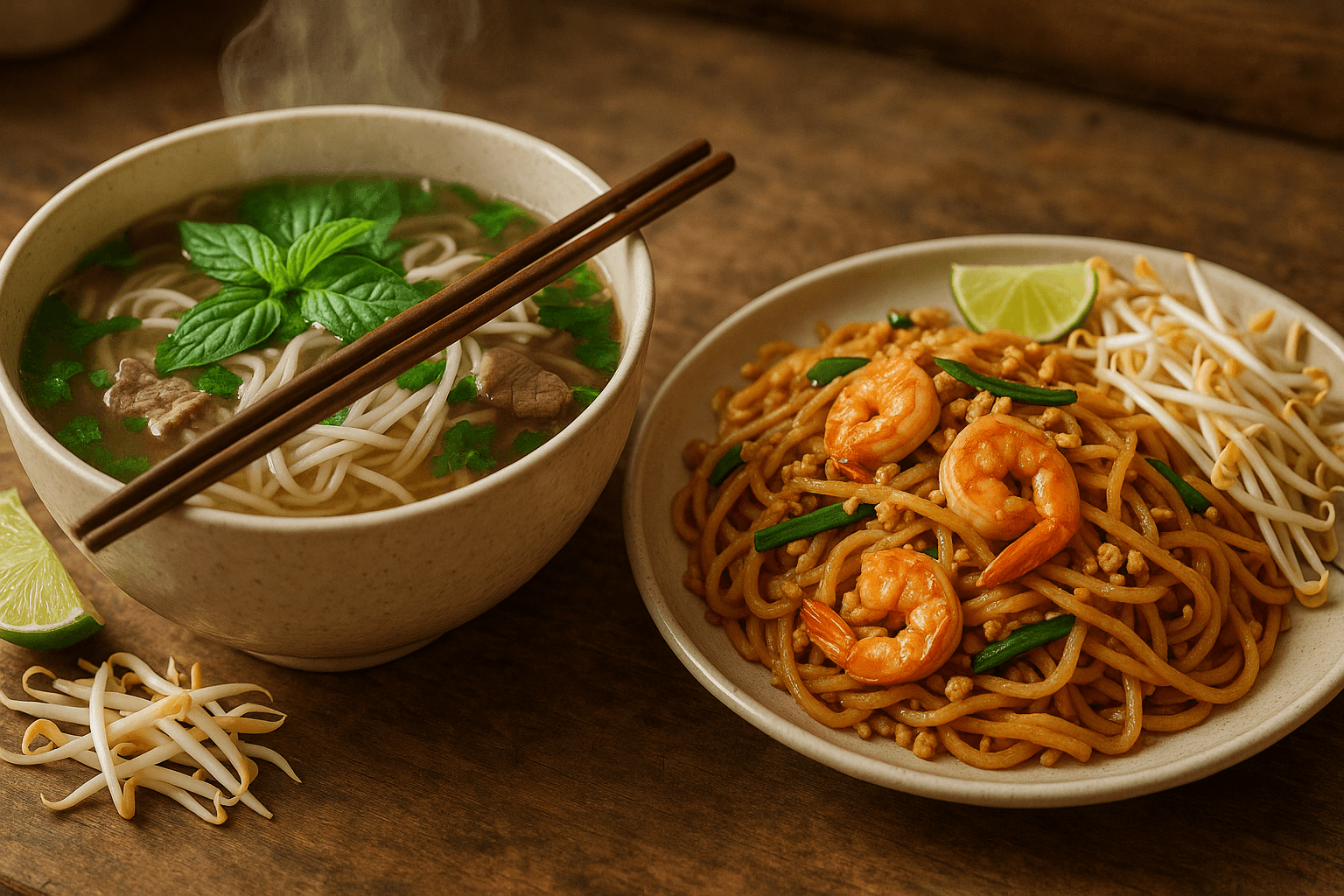
Why Rice Noodles Turn Slippery, Clump, or Break: Starch Gelation, Retrogradation, and the Soak‑Blanch‑Rinse Rules for Better Pad Thai, Pho, and Stir‑Fries

Why Rice Noodles Turn Slippery, Clump, or Break: Starch Gelation, Retrogradation, and the Soak‑Blanch‑Rinse Rules for Better Pad Thai, Pho, and Stir‑Fries

A science-first guide to rice noodle texture, explaining soaking, blanching, rinsing, sauce timing, and starch behavior for better pad thai, pho, and stir-fries.

RecipeSimpli
21 min read
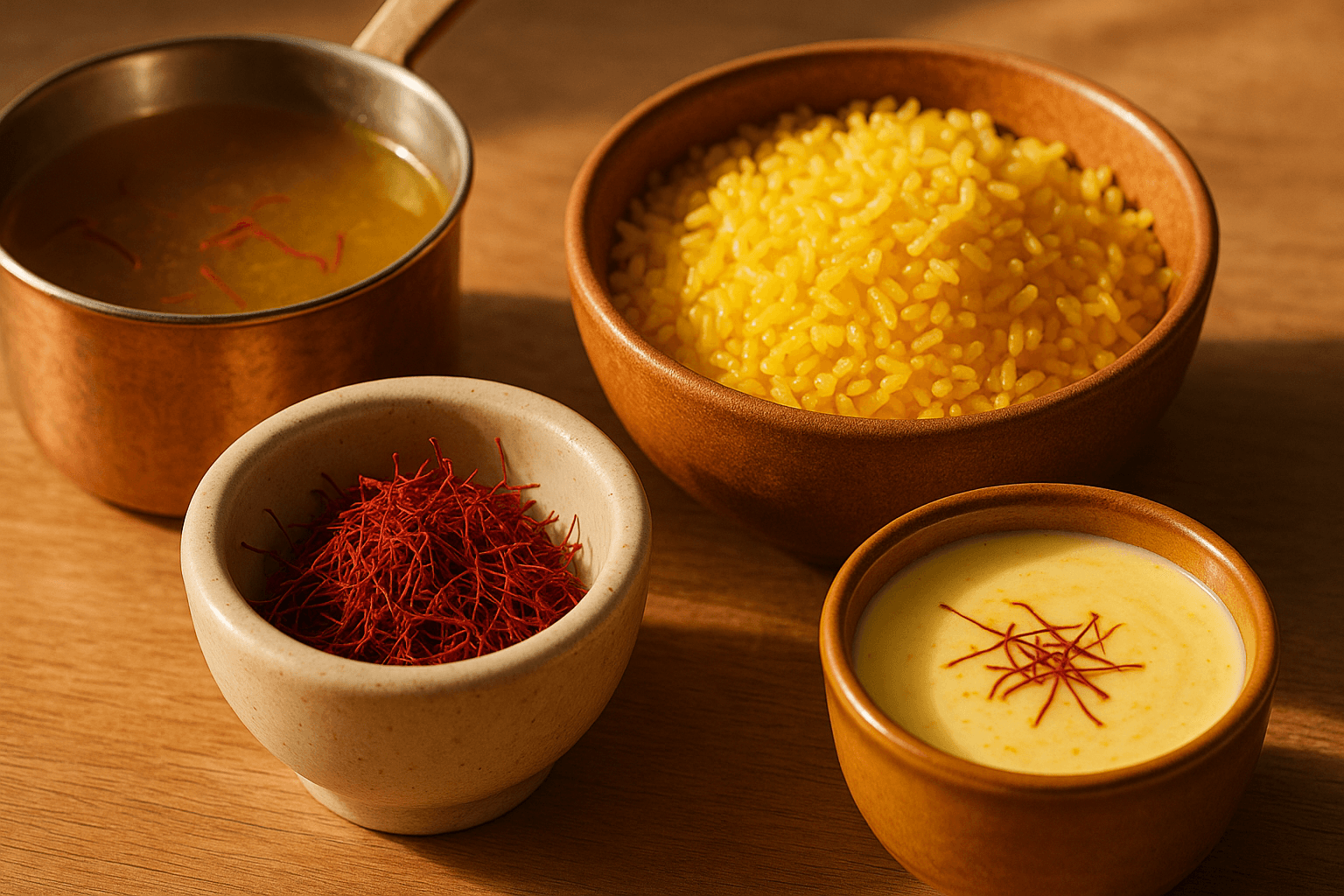
Why Saffron Tastes Haylike, Honeyed, or Metallic: Crocin, Picrocrocin, and the Blooming Rules for Better Rice, Broths, and Desserts

Why Saffron Tastes Haylike, Honeyed, or Metallic: Crocin, Picrocrocin, and the Blooming Rules for Better Rice, Broths, and Desserts

A science-first guide to saffron’s color, bitterness, and aroma, with practical blooming methods for rice, broths, desserts, and baking—plus how to avoid flat, fake, or metallic saffron.

RecipeSimpli
22 min read
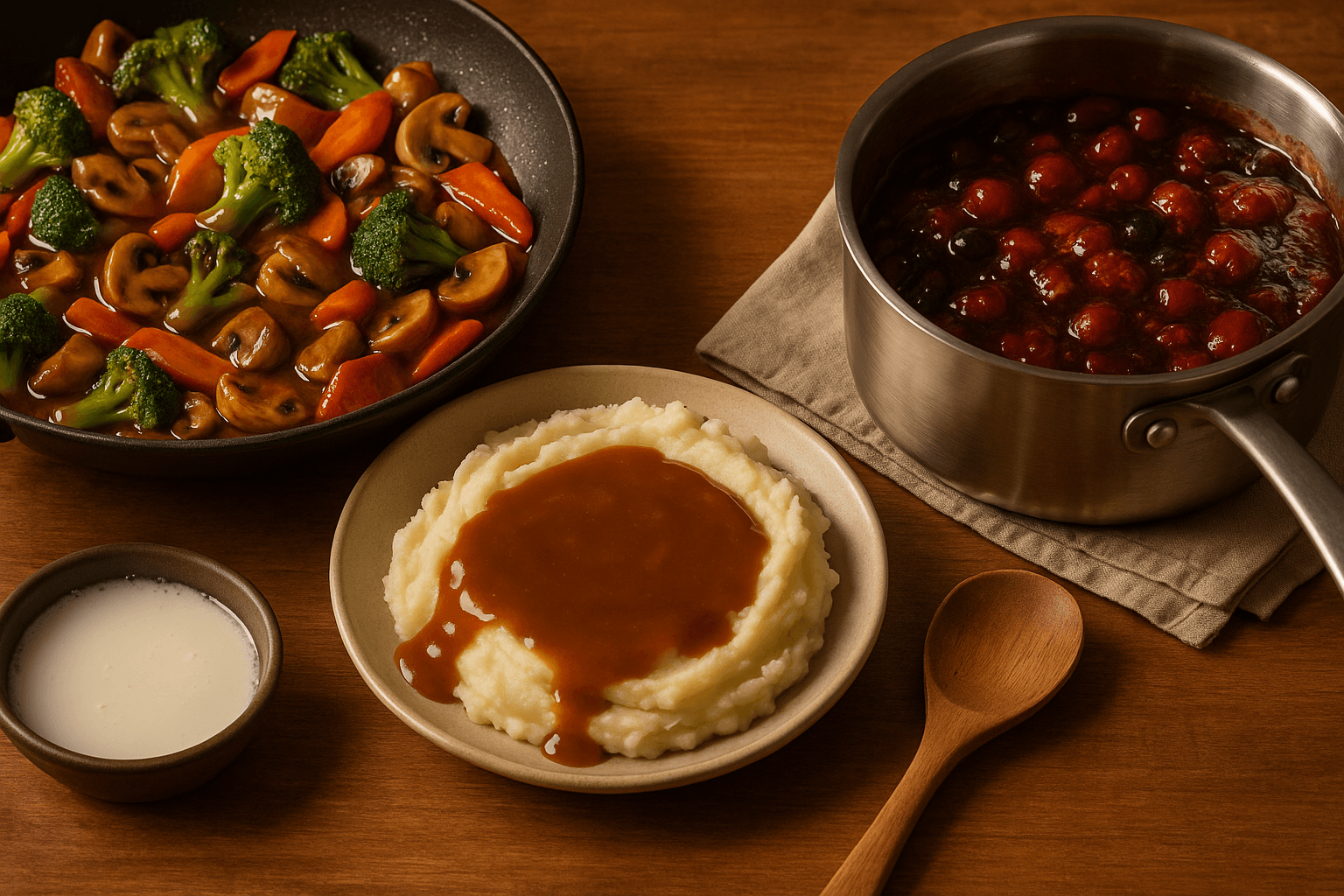
Why Cornstarch Thickens, Weeps, or Turns Glossy: Starch Gelatinization, Shear Stress, and the Heat‑Acid Rules for Better Gravies, Stir‑Fry Sauces, and Fruit Fillings

Why Cornstarch Thickens, Weeps, or Turns Glossy: Starch Gelatinization, Shear Stress, and the Heat‑Acid Rules for Better Gravies, Stir‑Fry Sauces, and Fruit Fillings

A science-first guide to cornstarch behavior, from gelatinization and gloss to thinning, weeping, clumping, and how acid, sugar, fat, freezing, and reheating affect sauces and fillings.

RecipeSimpli
21 min read
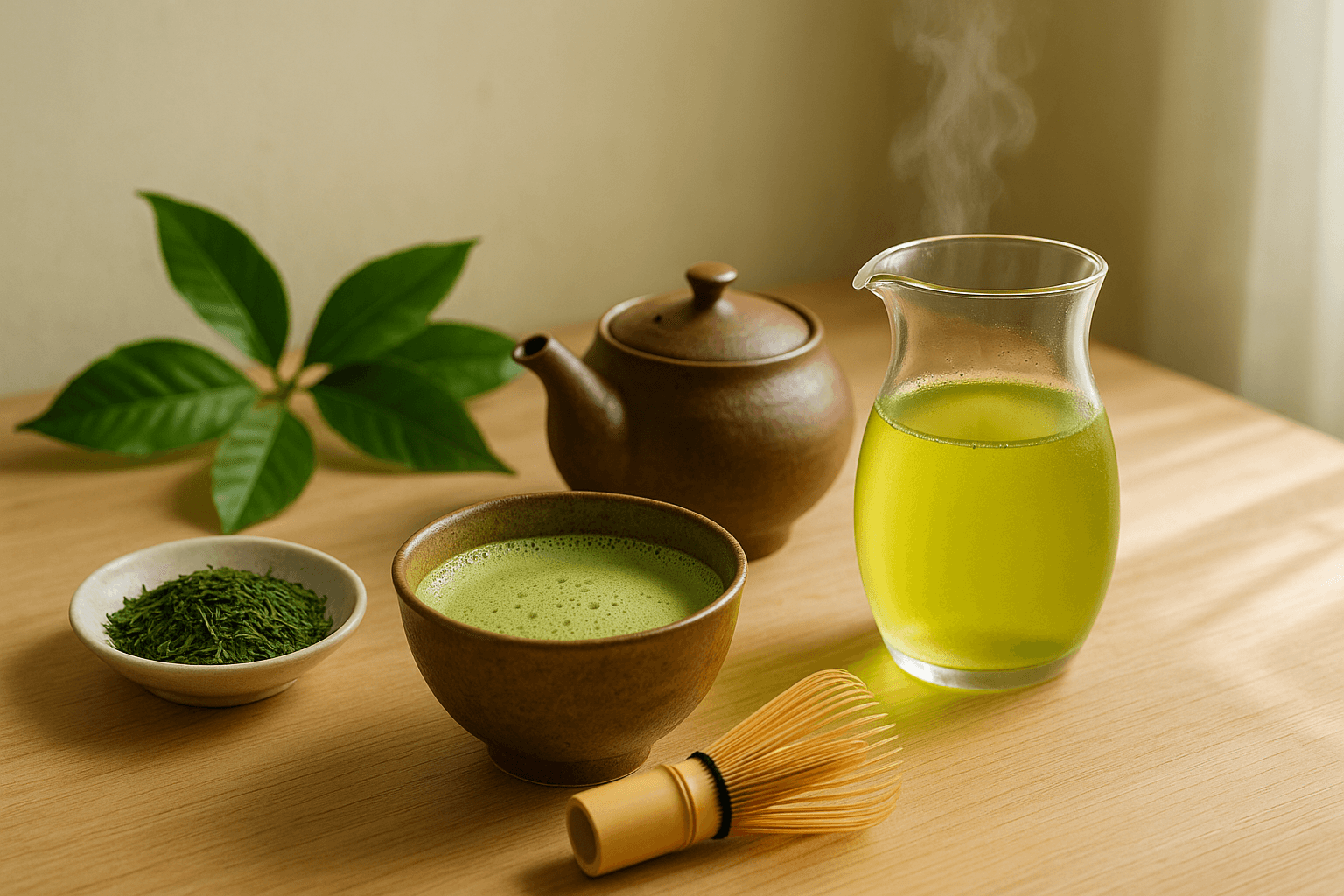
Why Green Tea Turns Sweet, Seaweedy, or Bitter: Catechin Chemistry, Water Temperature, and the Steeping Rules for Better Sencha, Matcha, and Cold Brew

Why Green Tea Turns Sweet, Seaweedy, or Bitter: Catechin Chemistry, Water Temperature, and the Steeping Rules for Better Sencha, Matcha, and Cold Brew

A science-first guide to green tea flavor, from catechins and amino acids to water temperature, shade-growing, roast level, and practical brewing rules for sencha, matcha, Chinese greens, and cold brew.

RecipeSimpli
21 min read
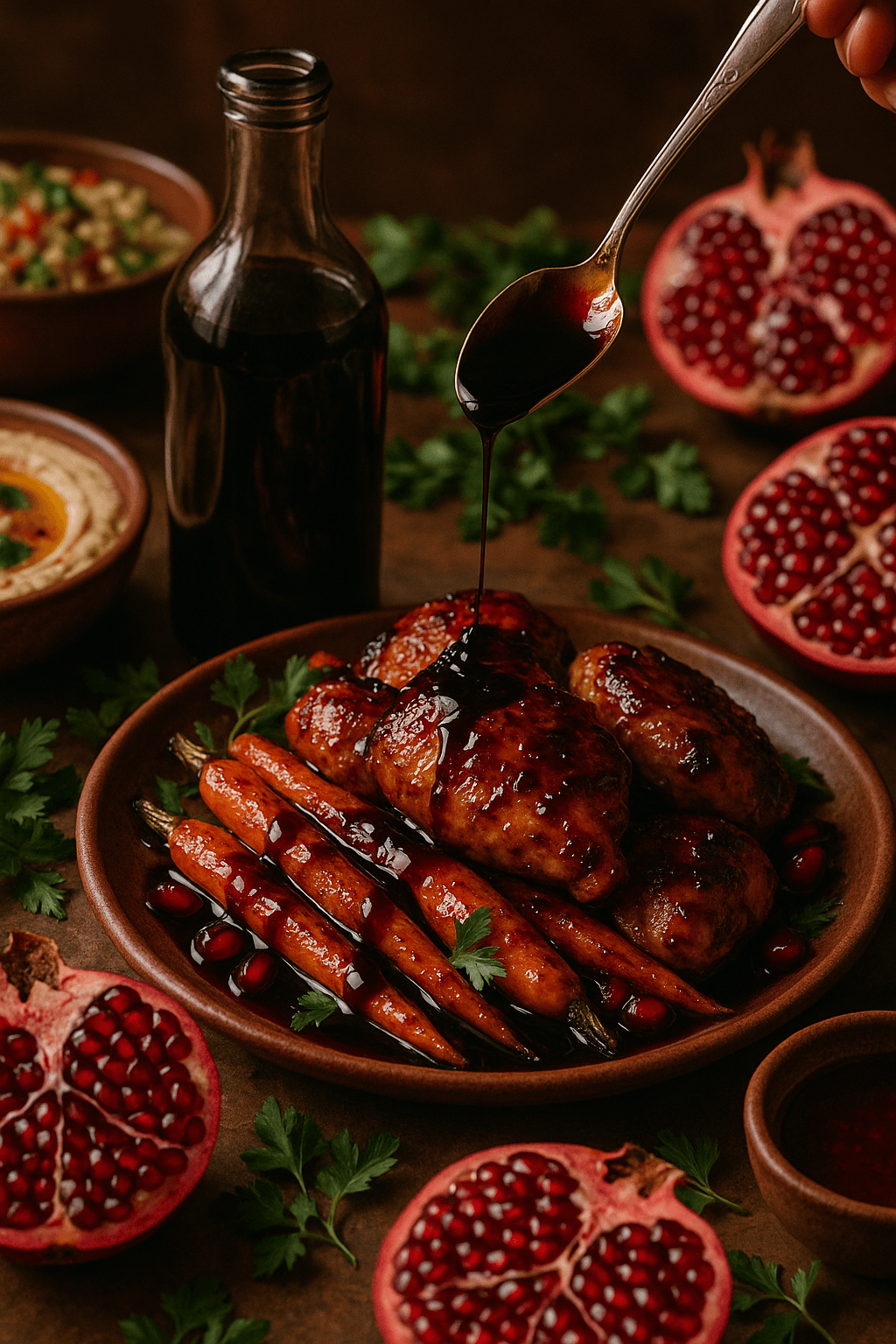
Why Pomegranate Molasses Tastes Bright, Sticky, or Burnt: Sugar‑Acid Balance, Reduction Curves, and the Glaze Rules for Better Roasts, Dressings, and Braises

Why Pomegranate Molasses Tastes Bright, Sticky, or Burnt: Sugar‑Acid Balance, Reduction Curves, and the Glaze Rules for Better Roasts, Dressings, and Braises

A science-first guide to pomegranate molasses: flavor chemistry, reduction, glaze timing, cultural context, and practical ratios for dressings, marinades, roasts, and braises.

RecipeSimpli
21 min read
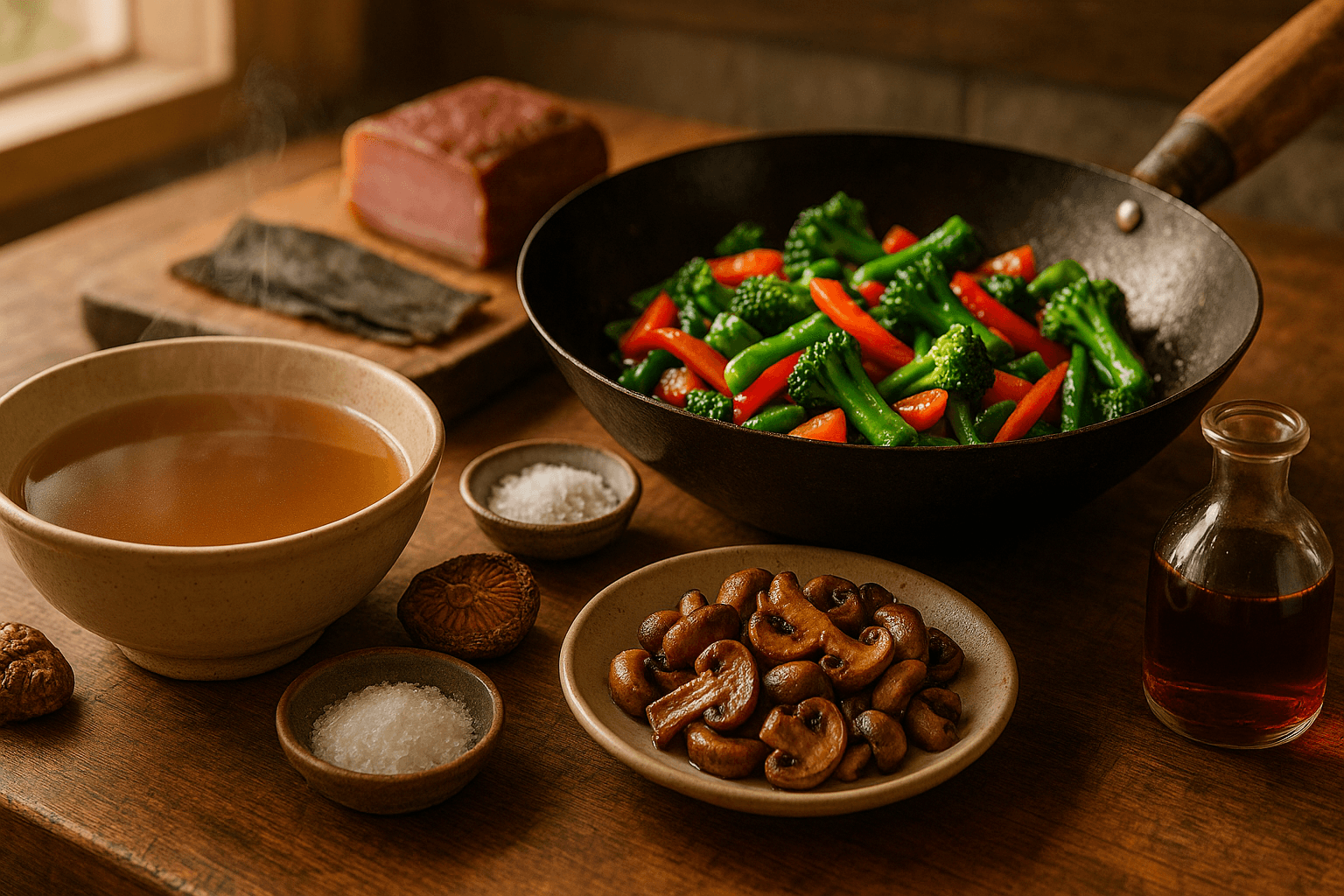
Why MSG Tastes Deeply Savory, Overdone, or “Like Nothing”: Glutamate Synergy, Dose Curves, and the Real Rules for Better Soups, Stir‑Fries, and Vegetable Cooking

Why MSG Tastes Deeply Savory, Overdone, or “Like Nothing”: Glutamate Synergy, Dose Curves, and the Real Rules for Better Soups, Stir‑Fries, and Vegetable Cooking

A science-first guide to MSG: glutamate synergy, dose curves, sodium tradeoffs, timing, and practical rules for soups, stir-fries, and vegetables.

RecipeSimpli
22 min read
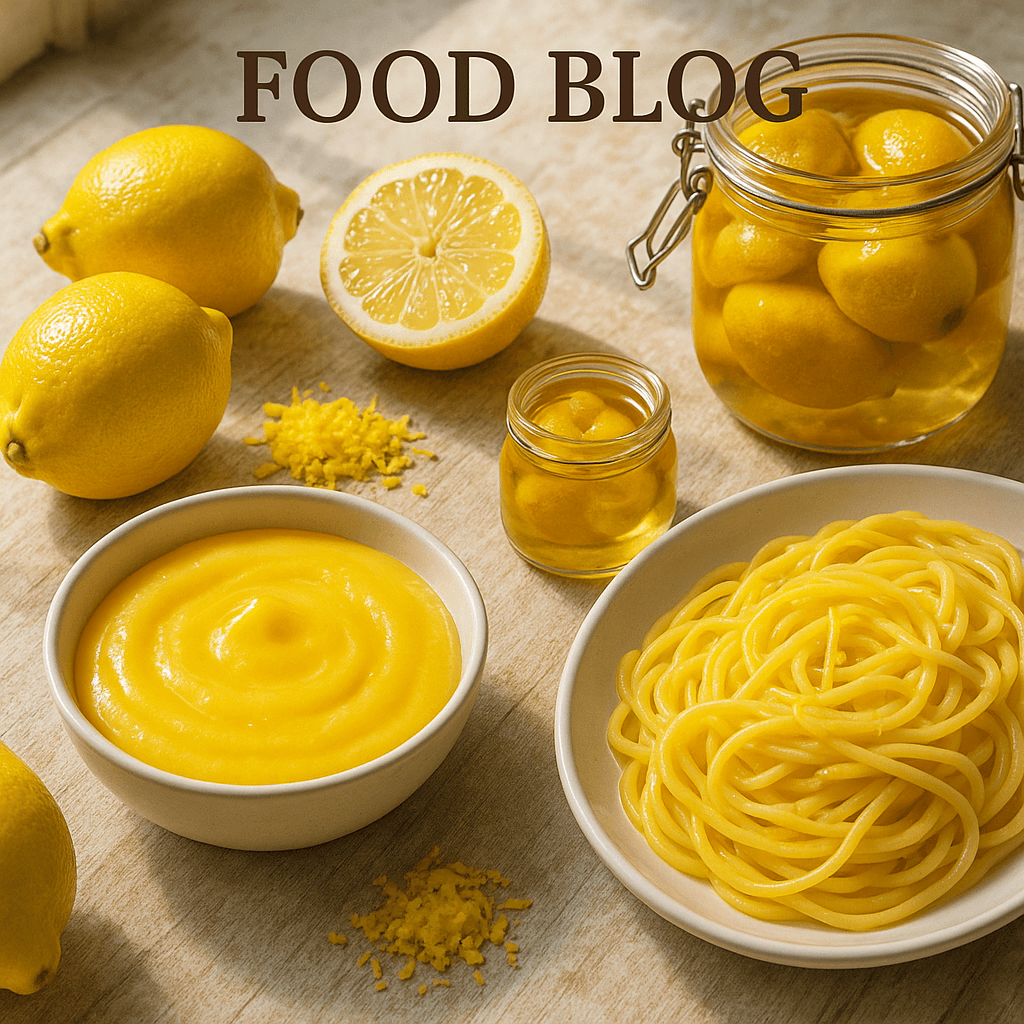
Why Lemons Taste Bright, Bitter, or Strangely Flat: Citric Acid, Peel Oils, and the Heat Rules for Better Curd, Pasta, and Preserves

Why Lemons Taste Bright, Bitter, or Strangely Flat: Citric Acid, Peel Oils, and the Heat Rules for Better Curd, Pasta, and Preserves

A science-first guide to how lemon’s acid, peel oils, pectin, bitterness, and heat-sensitive aromas affect curd, pasta, preserves, marinades, and sauces.

RecipeSimpli
22 min read
12...8
Next
Showing 12 of 96 articles
RecipeSimpli

Free AI-powered recipe generator. Create custom recipes from natural language descriptions.

Recipes

  • All Recipes
  • Create Recipe
  • Browse Recipes

Learn to Cook

  • Articles & Tips
  • Cooking Techniques
  • Cooking Assistant

Resources

  • Articles & Blog
  • Fridge Scanner
  • Meal Planner
  • Cooking Assistant
  • Cooking Techniques

Company

  • About Us
  • Pricing
  • Contact
  • Privacy Policy
  • Terms of Service

© 2026 RecipeSimpli. All rights reserved.

PrivacyTermsSitemap