Why Pears Turn Grainy, Buttery, or Collapse: Stone Cells, Ripening Enzymes, and the Poaching‑Roasting Rules for Better Desserts and Salads
RecipeSimpli
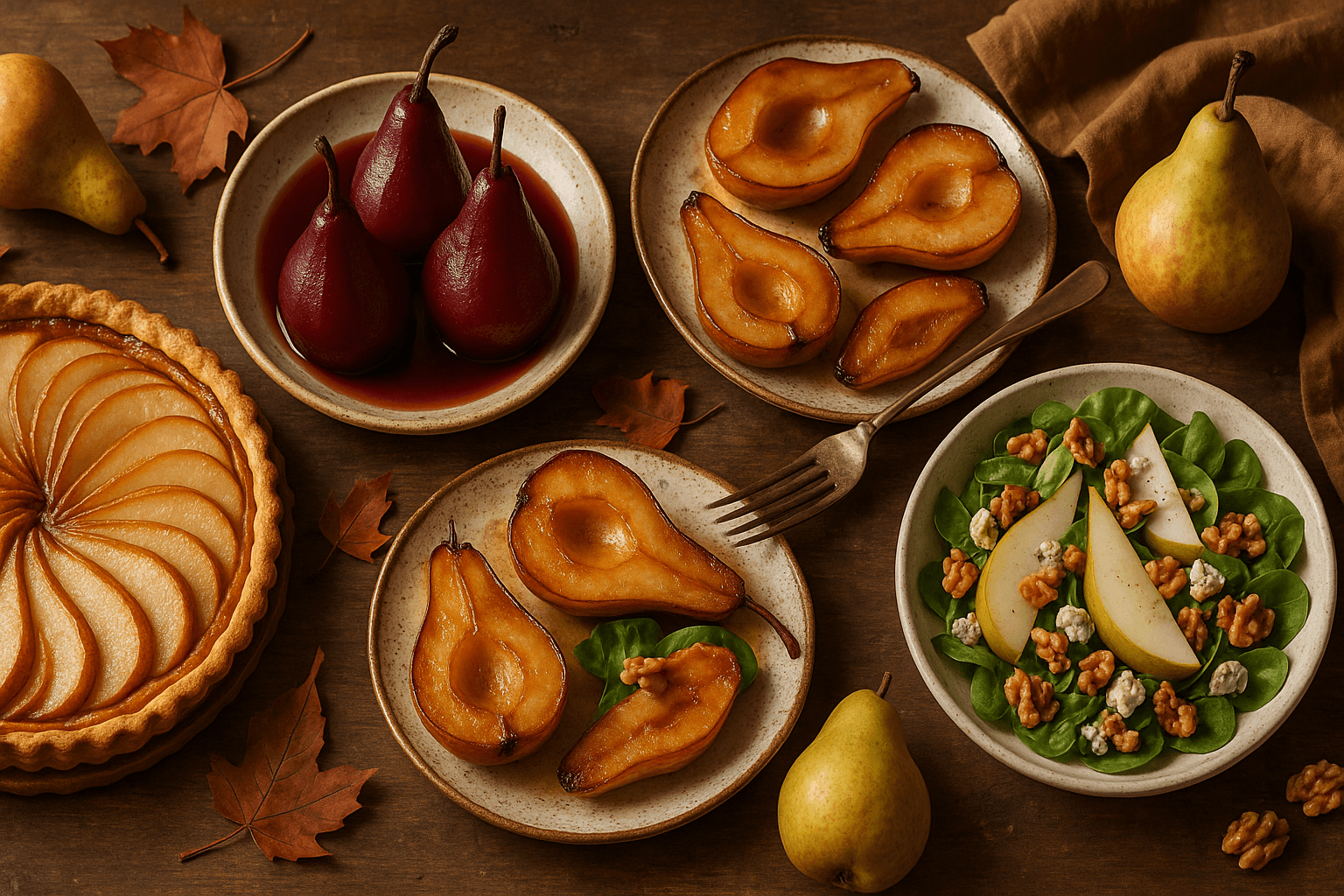
If you have ever bitten into one pear that felt silky and almost custardy, then cut into another that seemed sandy, watery, or weirdly mealy, you have already discovered the central truth of pears: they are one of the most texture-driven fruits in the kitchen. More than apples, more than peaches, even more than avocados, pears can swing dramatically from crisp to granular to meltingly soft depending on cultivar, maturity, storage, and heat. That swing is exactly why pear desserts and salads can be transcendent one day and disappointing the next.
A pear can be elegant enough for a tart, sturdy enough for roasting, fragile enough to slump into compote, or crisp enough to shave raw into a salad. But it only does those jobs well when you understand two things: the fruit’s structure before it ripens, and what ripening enzymes and heat do to that structure afterward.
The payoff for learning a little pear science is huge. You stop guessing. You know why Bosc holds its shape while Bartlett turns lush and soft. You know why underripe pears taste flat in a galette and why overripe ones dissolve in the pan. You know how to ripen pears on the counter, pause them in the refrigerator, prevent browning after slicing, and build the sugar-acid-spice balance that makes their subtle flavor actually sing.
Pears are built differently from many other fruits
At a glance, a pear seems simple: sweet flesh, thin skin, juicy center. But inside, pear texture is unusually influenced by specialized cells called stone cells, also known as sclereids. These are small, tough, lignified cells embedded in the softer flesh. They are the reason some pears feel grainy or sandy on the tongue.
Stone cells are not a defect. They are a normal part of pear anatomy. In fact, they help define pear character. The issue is proportion, size, distribution, and what else is happening in the flesh around them. When the surrounding flesh softens into a buttery matrix, a modest number of stone cells can add a pleasant, subtle texture. When the flesh is immature, dry, or poorly ripened, those same cells can dominate the experience and make the fruit seem coarse.
This is why “grainy” and “buttery” are not opposites in a simple way. A buttery pear may still contain stone cells, but the fruit’s ripened pectin structure, dissolved starches, juice balance, and aromatic compounds all work together to make them less obtrusive. A grainy pear, by contrast, often has firm cell walls, less integrated softness, lower aromatic development, and sometimes moisture loss that exaggerates the perception of sandiness.
Pears also differ from apples in another important way: many European pears are typically harvested mature but not tree-ripened. They ripen after harvest, driven by ethylene and a cascade of enzymatic changes. If they stay on the tree too long, texture often breaks down from the inside out. So the pear you buy is usually physiologically ready to ripen, but not yet at ideal eating texture.
That peculiar ripening pattern is part of why pears can feel so unpredictable in home kitchens.
The history and cultural context of pear texture
Pears have been cultivated for thousands of years across Europe and Asia, and different traditions prized very different textures. In Europe, especially in French and Belgian culinary culture, pears became associated with elegant desserts, poaching, tarts, and cheese pairings. A melting texture was often the ideal: tender, perfumed, almost spoonable.
In East Asia, especially with Asian pears, crispness and juiciness became equally prized. These pears are often eaten fresh, peeled and sliced, where their clean snap is the whole point. They behave less like classic European dessert pears and more like a highly aromatic, refined apple-pear hybrid in texture.
That cultural split matters because the word “pear” covers fruits that perform very differently. A French poached pear formula written with Bosc in mind will not behave the same way with Bartlett. A salad designed for Asian pear can turn mushy if made with ripe Comice. Pear technique is not one-size-fits-all.
The science of grainy, buttery, and collapsing pears
1. Stone cells create the grain
Stone cells are clusters of heavily thickened cells with lignin-rich walls. They are naturally harder than the surrounding parenchyma cells, which are the softer, juicier cells that make up most fruit flesh. When you perceive a pear as sandy or gritty, you are often physically sensing these harder particles against a backdrop of flesh that has not softened enough to absorb them into the eating experience.
Some cultivars are more prone to noticeable stone cells than others. Growing conditions also matter. Water stress, maturity at harvest, storage, and handling can shift how strongly graininess is perceived.
2. Pectin changes create the buttery texture
As pears ripen, enzymes begin modifying the fruit’s cell walls. A major player here is pectin, the complex carbohydrate that helps glue plant cells together. In underripe fruit, pectin remains more intact and insoluble, which keeps tissue firm. During ripening, enzymes such as polygalacturonase, pectin methylesterase, and related wall-modifying enzymes gradually solubilize and reorganize pectin.
As that happens, the cells separate more easily, the flesh yields under pressure, and the texture becomes tender, juicy, and often “buttery.” That word is a sensory shorthand for a structure where the cells no longer cling rigidly together, yet the flesh has not gone fully mushy.
3. Ethylene drives ripening
European pears are climacteric fruit, meaning they continue to ripen after harvest and produce a rise in respiration and ethylene. Ethylene acts like a hormonal signal, accelerating softening, aroma development, pigment changes, and conversion of starches and acids.
This is why placing pears in a paper bag, especially with a banana or apple, speeds ripening. Those fruits also release ethylene, and the bag traps it around the pears.
Typical room-temperature ripening works best around 65 to 72°F / 18 to 22°C. Cooler rooms slow the process; very warm rooms can push pears into uneven, rapid softening before flavor fully develops.
4. Heat decides whether pears hold or collapse
When you cook pears, you are adding another layer of pectin change. Heat softens tissue, but whether the fruit keeps its shape depends on cultivar, ripeness, slice size, sugar concentration, acid level, and cooking method.
- Underripe pears often stay stubbornly firm or become oddly dry before they become tender.
- Just-ripe pears can soften attractively while still holding slices or halves.
- Fully ripe or overripe pears often lose structural integrity quickly and slump into sauce.
Sugar and acid matter, too. Sugar can help moderate moisture movement and improve surface caramelization, while acid can help fruit hold shape somewhat better by influencing pectin behavior and brightening flavor. That is one reason poaching liquid usually contains both sugar and an acidic element like wine or lemon.
5. Why underripe pears disappoint in baking
This is one of the most common home-cook frustrations. People assume firm pears are ideal for tarts because they seem sturdy. But firmness is not the same as readiness.
Underripe pears often disappoint because:
- Their aroma compounds are underdeveloped, so flavor stays muted.
- Their sugars are lower or less expressive.
- Their pectin structure is still too rigid, so heat may not soften them enough by the time pastry is done.
- They can lose moisture in the oven before their interior turns tender, creating a dry, bland result.
So while you do want pears with enough structure for baking, you usually want them mature and slightly yielding, not rock hard.
Cultivar differences: choosing the right pear for the job
Not every pear belongs in every dessert or salad. Here is how the major types differ in texture and kitchen behavior.
Bosc
Bosc pears have russeted brown skin, dense flesh, and a relatively sturdy structure. Their flavor is honeyed and warm rather than explosively juicy. They are one of the best all-purpose cooking pears because they tolerate heat well.
Best uses: poaching, roasting, tarts, galettes, upside-down cakes, sautéing, grilling
Texture behavior: Holds shape better than many others, especially when just ripe. Less likely to collapse than Bartlett.
When to use: When you want visible slices, clean edges, and fruit that stays distinct in a dessert.
Bartlett
Bartlett pears are the classic juicy, aromatic pear. When ripe, they are lush, fragrant, and soft, with a strongly pear-like aroma that many people identify instantly.
Best uses: eating fresh, compotes, sauces, preserves, smoothies, some quick bakes when used carefully
Texture behavior: Softens rapidly and can break down easily under heat. Excellent if you want a melting filling; risky if you need slices to stay neat.
When to use: When flavor matters more than shape retention.
Anjou
Anjou pears, green or red, are less dramatically perfumed than Bartlett but versatile and pleasantly juicy. They tend to be smoother and denser than Bartlett.
Best uses: salads, roasting, light poaching, snacking, cheese boards, some baking
Texture behavior: Moderately good shape retention, especially if not fully soft.
When to use: A flexible middle-ground pear when you want decent texture and balanced flavor.
Comice
Comice pears are luxurious, rich, and often among the sweetest, with a melting texture that can feel almost creamy when perfectly ripe.
Best uses: eating fresh, elegant salads, cheese pairings, simple desserts where minimal cooking is involved
Texture behavior: Delicate. Not ideal when strong structural integrity is required.
When to use: When serving pears raw or barely handled, and when ripeness is perfect.
Asian pear
Asian pears are a different textural category entirely. They are usually rounder, crisp, and very juicy, with a snap closer to apple than classic European pear.
Best uses: salads, slaws, raw desserts, pickles, garnishes, fresh snacking
Texture behavior: Holds crispness well; does not turn buttery like European pears.
When to use: When you want crunch, freshness, and clean texture.
How to ripen pears properly: counter first, fridge later
The best pear strategy is simple: ripen on the counter, then refrigerate to hold the sweet spot.
Counter ripening
Place pears in a single layer at room temperature, ideally 65 to 72°F / 18 to 22°C. If they are very firm, they may need 2 to 7 days depending on cultivar and how mature they were when purchased.
To speed things up:
- Put pears in a loosely closed paper bag.
- Add a ripe banana or apple.
- Check daily.
Avoid sealing them in plastic. That traps too much moisture and can encourage off-flavors or decay.
How to tell when a European pear is ripe
Do not press the belly. Instead, use the neck test: apply gentle pressure near the stem end. If the flesh yields slightly, the pear is usually ripe or very close.
Why the neck? Pears ripen from the inside and from the stem end outward. The bottom can still feel firm while the fruit is already at risk of becoming mealy inside.
Refrigeration
Once ripe, refrigerate pears at 34 to 40°F / 1 to 4°C to slow further softening. Most ripe pears will hold for 2 to 5 days in good condition, sometimes longer depending on cultivar.
Bring them back to room temperature for 30 to 60 minutes before eating if you want fuller aroma.
Browning control after cutting
Cut pears brown because enzymes in the flesh react with oxygen, producing melanins. This is enzymatic browning, mainly driven by polyphenol oxidase.
To slow browning after slicing for salads, tarts, or platters, use one of these methods:
Lemon water
Mix 1 tablespoon lemon juice with 1 cup / 240 ml cold water. Toss slices briefly, then drain and pat dry. Good for salads and fruit platters.
Salt water
A highly effective, surprisingly gentle method: dissolve 1/2 teaspoon kosher salt in 1 cup / 240 ml water. Soak slices for 5 to 10 minutes, then rinse lightly and dry. At this concentration, salt flavor is usually not noticeable.
Acidulated syrup for desserts
For tart or galette prep, toss slices with 1 tablespoon lemon juice, 1 to 2 tablespoons sugar, and optional spices. This slows browning while starting the seasoning process.
Ascorbic acid
If you preserve fruit often, dissolve 1/2 teaspoon powdered vitamin C in 1 cup / 240 ml water. This is especially useful for canning prep.
The poaching-roasting rules that make pears work
When cooks say pears are tricky, what they usually mean is that pears respond dramatically to heat. These rules keep you out of trouble.
Rule 1: Match ripeness to method
- Poaching halves: use firm-ripe pears that yield slightly at the neck
- Roasting wedges: use ripe but not soft pears
- Tarts and galettes: use slightly underripe-to-ripe pears, but never hard, green-tasting ones
- Compote or preserves: use ripe pears, even a little soft
- Raw salads: use crisp-ripe pears or Asian pears
Rule 2: Cut size determines survival
Large halves hold best. Thick wedges hold better than thin slices. Thin slices look elegant in a tart, but they soften fast and can leak lots of juice.
If you want a tart with defined slices, cut pears about 1/4 inch / 6 mm thick and pre-arrange them over absorbent filling elements like frangipane, almond cream, or a thin layer of crumbs.
Rule 3: Gentle heat preserves shape
Aggressive boiling breaks pears. For poaching, maintain a bare simmer around 180 to 190°F / 82 to 88°C. You should see only occasional movement in the liquid, not a rolling boil.
Rule 4: Sugar and acid are structural allies
A poaching liquid with moderate sugar and some acid helps pears cook evenly and taste brighter.
A reliable poaching ratio:
- 4 cups / 960 ml water or half water, half white wine
- 3/4 to 1 cup / 150 to 200 g sugar
- 2 tablespoons lemon juice or 1/2 cup / 120 ml white wine for acidity
- Optional spices: 1 cinnamon stick, 2 strips lemon peel, 1 star anise, 2 to 3 slices fresh ginger, 1/2 vanilla bean
Rule 5: Pears need acid for flavor, not just structure
Pears are naturally subtle. Without acid, they often read as sweet but vague. Lemon juice, wine, verjus, vinegar in salad dressing, or tart fruit such as cranberries can make pears taste more pear-like.
Rule 6: Dry heat concentrates flavor but can expose bland fruit
Roasting is wonderful for pears, but it does not magically create flavor in underripe fruit. If the pear lacks aroma going in, roasting may only produce sweet softness without much complexity.
Step-by-step: perfect poached pears
Poached pears are the cleanest demonstration of pear science in action. You control heat, sugar, acid, and ripeness, and you can watch the fruit soften without collapsing.
Ingredients
- 4 Bosc or Anjou pears, firm-ripe
- 4 cups / 960 ml water
- 1 cup / 240 ml dry white wine, optional but excellent
- 3/4 cup / 150 g sugar
- 2 tablespoons lemon juice
- 1 cinnamon stick
- 1 strip lemon peel
- 1/2 vanilla bean or 1 teaspoon vanilla extract
Method
- Peel the pears if you want the classic look. Leave stems attached. Cut a thin slice from the bottom if needed so they stand upright, but do not cut too much.
- Prevent browning immediately by rubbing with lemon or placing peeled pears in acidulated water.
- Build the poaching liquid in a saucepan or deep skillet wide enough to hold the pears snugly. Combine the water, wine, sugar, lemon juice, and spices. Bring just to a simmer to dissolve the sugar.
- Add pears and cover with a parchment round if needed so the exposed surfaces stay submerged.
- Poach gently at 180 to 190°F / 82 to 88°C for about 20 to 35 minutes, depending on size and ripeness. Turn once or twice if not fully submerged.
- Test doneness with a thin knife inserted near the core. It should meet little resistance, but the pear should not sag or split.
- Cool in the liquid for best flavor penetration.
- Reduce the syrup separately if desired until lightly glossy.
Common mistakes
- Boiling hard, which causes rupture and uneven texture
- Starting with overripe pears, which turn mushy
- Using too little acid, which makes flavor flat
- Pulling the pears too soon, so the center remains chalky
Step-by-step: roasted pears that stay distinct
Roasting builds caramel notes and concentrates juices, but the setup matters.
Ingredients
- 4 pears, Bosc or Anjou preferred
- 2 tablespoons melted butter or olive oil
- 2 to 3 tablespoons brown sugar or honey
- 1 tablespoon lemon juice
- 1/4 teaspoon kosher salt
- 1/2 teaspoon cinnamon or cardamom
Method
- Heat oven to 400°F / 205°C.
- Halve or quarter the pears and core them.
- Toss gently with butter, sugar, lemon juice, salt, and spice.
- Arrange cut-side up in a baking dish or on parchment.
- Roast 20 to 30 minutes for wedges, 30 to 40 minutes for halves, depending on ripeness.
- Baste once with pan juices if desired.
- Remove when tender at the edges and just soft through the center.
For more concentrated color, finish under the broiler for 1 to 2 minutes, watching closely.
Best uses
- Serve with yogurt, mascarpone, blue cheese, or ice cream
- Layer over puff pastry
- Chop into grain salads with walnuts and bitter greens
Step-by-step: pears for tarts and galettes
Pear tarts are where people most often choose the wrong fruit.
The best tart pears
Bosc is the classic choice because it slices cleanly and holds shape. Anjou can also work well. Bartlett is best reserved for rustic galettes where some collapse is acceptable or even welcome.
Technique for a crisp tart
- Use pears that are ripe but not soft, with slight neck yield.
- Slice 1/4 inch / 6 mm thick.
- Toss with:
- 1 tablespoon lemon juice
- 2 tablespoons sugar
- 1 tablespoon flour or cornstarch if very juicy
- pinch of salt
- optional cinnamon, ginger, or cardamom
- Let sit 10 minutes, then drain excess liquid if abundant.
- Build the tart over a moisture buffer such as:
- frangipane
- almond flour mixed with sugar
- fine cake crumbs or cookie crumbs
- Bake at 375 to 400°F / 190 to 205°C until pastry is deeply golden and pears are tender, usually 35 to 50 minutes depending on format.
Why this works
The slight maceration seasons the fruit and starts pulling surface moisture. The starch or absorbent layer prevents a soggy base. The not-too-ripe pear retains enough structure to remain sliceable.
Step-by-step: pears in salads without sadness
Pears in salads can be glorious, but only when texture and acidity are in balance.
Best choices
- Asian pear for crunch
- Anjou for versatile juiciness
- Bosc for neat slices and lower risk of bruising
- Comice only if serving immediately and handling gently
Pairing logic
Pears love:
- Bitter greens: arugula, radicchio, endive
- Rich cheeses: blue cheese, goat cheese, aged cheddar
- Nuts: walnuts, pecans, hazelnuts
- Tart accents: vinaigrette, pickled shallots, cranberries
- Savory depth: prosciutto, speck, toasted seeds
Dressing formula
A dependable vinaigrette for pear salad:
- 3 tablespoons extra-virgin olive oil
- 1 tablespoon sherry vinegar or apple cider vinegar
- 1 teaspoon Dijon mustard
- 1 teaspoon honey
- 1/8 teaspoon kosher salt, plus more to taste
- black pepper
Dress the greens first, then add the pears at the end so they stay pristine.
Preventing browning in salads
Slice pears just before serving, or hold in lemon water briefly and dry thoroughly. Wet slices dilute dressing and make salads watery.
Step-by-step: preserves, compotes, and pear butter
When pears are too soft for neat slicing, that is not a failure. It is the start of a very good preserve.
Simple pear compote
- 2 pounds / 900 g ripe Bartlett or mixed pears
- 1/3 cup / 65 g sugar
- 2 tablespoons lemon juice
- pinch salt
- 1/2 teaspoon ground ginger or cinnamon
- 2 tablespoons water if needed
Peel and chop the pears. Combine everything in a saucepan and cook over medium-low heat for 20 to 35 minutes, stirring occasionally, until spoonably soft. Mash lightly for a rustic texture or cook longer for smoother compote.
Preserve notes
Pears are lower in acid than many fruits, so for canning-safe formulas, follow a tested recipe from a trusted preservation source. Flavor-wise, they nearly always benefit from added acid.
Pear butter
For pear butter, cook pear puree low and slow until thick enough that a spoon dragged across the bottom leaves a trail. Finish with lemon juice and warm spices. Bartlett’s tendency to collapse becomes an advantage here.
Sugar, acid, and spice: why pears often taste flat, and how to fix it
Pears can be sweet yet surprisingly muted. Their flavor is more delicate than apples, and they rely heavily on aroma and acid contrast to seem vivid.
Sugar
Sugar sweetens, of course, but with pears it also rounds off floral notes and helps carry spice. The trap is adding too much and smothering the fruit’s nuance.
For desserts, start lower than you might with tart apples, then taste. Pears often need less sugar than you think but more acid than you expect.
Acid
Acid is the real secret. Lemon, orange, white wine, cider vinegar, verjus, sour cherries, cranberries, pomegranate, and crème fraîche all sharpen pear flavor.
A useful rule: if a pear dessert tastes bland, try acid before more sugar.
Salt
A pinch of salt clarifies fruit flavor. In caramelized or baked pear dishes, 1/8 to 1/4 teaspoon kosher salt can make the difference between sweet and deeply flavorful.
Spice
Pears pair beautifully with:
- Cinnamon
- Cardamom
- Ginger
- Vanilla
- Star anise
- Black pepper
- Nutmeg in very small amounts
The mistake is over-spicing. Pears are subtle. Choose one main spice and one supporting accent rather than building a whole holiday potpourri.
Some especially good combinations:
- Pear + vanilla + lemon
- Pear + ginger + honey
- Pear + cardamom + brown butter
- Pear + black pepper + blue cheese
- Pear + star anise + red wine
Common pear problems and what they mean
“The pear is grainy and bland”
Likely causes:
- It is not fully ripened.
- It is a cultivar with more noticeable stone cells.
- It was poorly stored and lost quality.
Fix:
Let it ripen longer at room temperature, then chill briefly once ripe. Add acid if using in a dish.
“The pear turned to mush in the oven”
Likely causes:
- It was too ripe.
- It was a soft cultivar like Bartlett or Comice.
- The pieces were too thin.
Fix:
Use Bosc or Anjou next time, cut thicker pieces, and reduce bake time.
“The tart pears stayed hard”
Likely causes:
- Fruit was underripe.
- Slices were too thick for the bake time.
- The tart lacked enough moisture or pre-maceration.
Fix:
Use ripe pears with slight neck yield, macerate briefly, and bake until fully tender.
“The salad pears browned before dinner”
Likely causes:
- Sliced too far ahead.
- No anti-browning treatment.
Fix:
Use lemon water or salt water, dry thoroughly, and add at the last minute.
Practical pairing guide by application
For poaching
Choose: Bosc, Anjou
Avoid: very ripe Bartlett, very ripe Comice
For roasting
Choose: Bosc, Anjou
Use cautiously: Bartlett, only if slightly firm and you want softness
For tarts and galettes
Choose: Bosc first, Anjou second
Avoid if you want neat slices: very ripe Bartlett or Comice
For salads
Choose: Asian pear for crunch, Anjou for balance, Bosc for tidy slices
Use immediately: Comice
For preserves and compote
Choose: Bartlett, ripe mixed pears
Bonus: this is the best destination for pears that are soft but not spoiled
Takeaways for better pear cooking
If there is one thing to remember, it is that pear texture is not random. Graininess comes largely from stone cells becoming too noticeable in fruit that is immature, poorly ripened, or structurally coarse. Butteriness comes from ripening enzymes, especially those modifying pectin, which transform firm flesh into a soft, melting matrix. Collapse happens when heat meets a pear whose structure has already loosened too far.
So the practical rules are straightforward:
- Pick the cultivar for the job.
- Ripen European pears on the counter, then refrigerate.
- Judge ripeness at the neck, not the belly.
- Use acid to prevent browning and brighten flavor.
- Do not bake with hard, underripe pears if you expect tenderness and aroma.
- Poach gently, never boil.
- Roast ripe-but-not-soft pears for shape retention.
- Lean on acid, a little salt, and restrained spice to make pears taste vivid.
Once you understand those rules, pears become far less fussy and far more useful. Bosc becomes your tart and roasting specialist. Bartlett becomes your compote and preserve hero. Anjou becomes your steady all-rounder. Comice becomes your luxurious raw pear. Asian pear becomes your crunch champion.
And that is when pear cooking gets fun. Instead of hoping the fruit behaves, you can decide what texture you want: crisp, tender, buttery, or spoon-soft. Then you choose the ripeness, cultivar, and heat to get there on purpose.