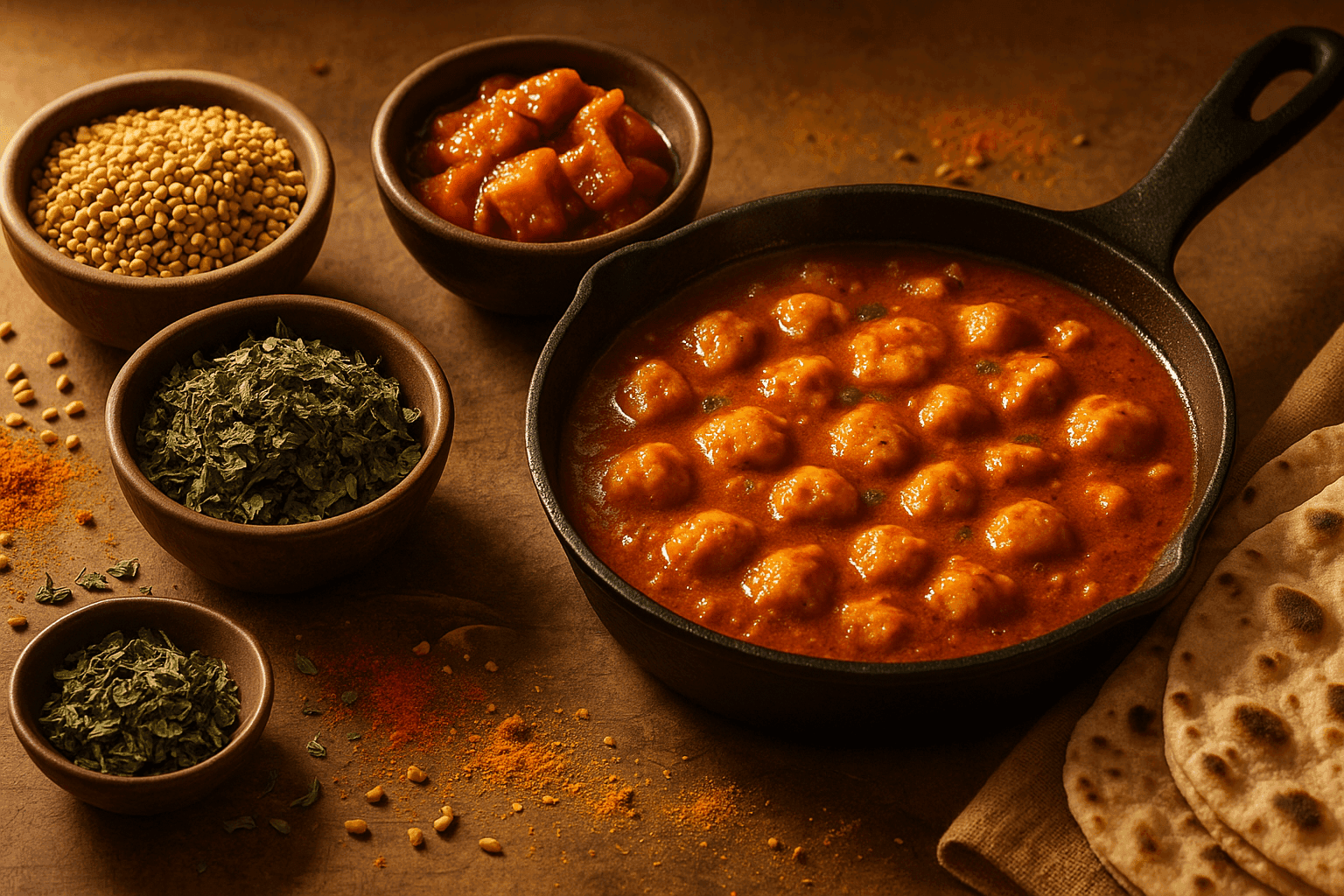
Why Tamarind and Dairy Sometimes Clash, Sometimes Bloom: Protein Aggregation, Acid Buffering, and the Timing Rules for Better Curries, Chutneys, and Marinades
RecipeSimpli
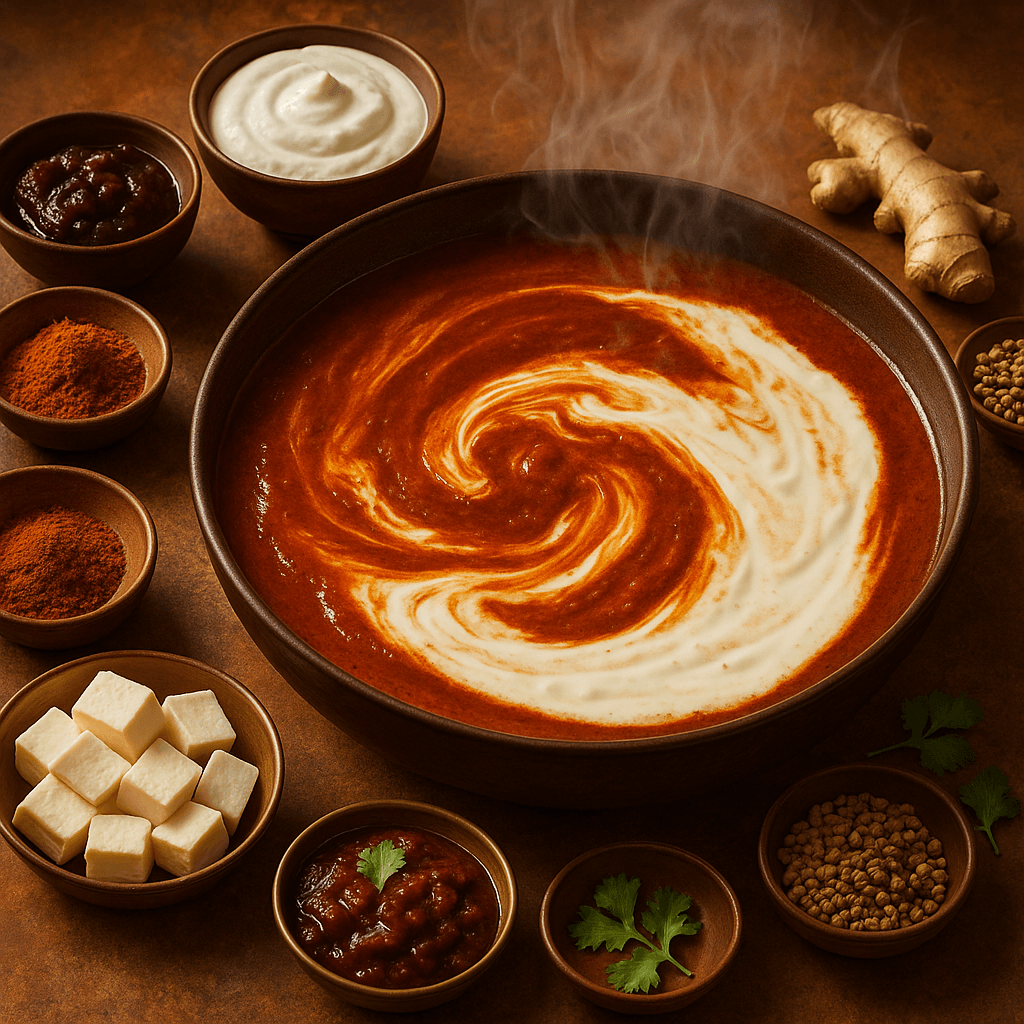
There is a particular kind of kitchen disappointment that sneaks up on even experienced cooks: the curry tastes flat after you stirred in cream to tame the tamarind, or the yogurt sauce turns grainy just when the dish seemed almost finished, or the paneer that was soft and bouncy in the pan suddenly feels tight and squeaky after simmering in something sour. The ingredients were all good. The recipe looked sensible. Yet the final bowl tastes as if the tartness and the richness never became friends.
That frustration usually gets explained with a vague warning: “acid and dairy don’t mix.” But that is only half true, and not the useful half. Dairy and sour ingredients mix beautifully all over the world. Yogurt is intentionally fermented with acid. Fresh cheeses are formed by acid. Cream balances tomatoes in countless sauces. Buttermilk marinades transform meat. Kadhi, shrikhand, raita, yogurt curries, creamy chutneys, sour cream sauces, cheesecake, labneh, and fruit-and-cream desserts all exist because dairy can coexist with acidity.
So why does tamarind, in particular, seem so unpredictable?
The answer lies in three practical ideas that matter far more than a blanket rule. First, proteins in dairy respond to acid, heat, and salt by changing shape and sometimes clumping together. Second, dairy has varying buffering capacity, meaning some forms can absorb a fair amount of acidity before their texture visibly changes, while others cannot. Third, timing matters as much as ingredients: when you add tamarind, how concentrated it is, what temperature the dish is at, and what else is in the pot often determine whether you get harmony or separation.
Tamarind is a perfect ingredient for studying this because it is not just “sour.” It carries tartaric acid, along with sugars, pectin-like substances, minerals, and dark, savory-fruity notes. In one dish, that complexity can sharpen richness and deepen a sauce. In another, it can tighten milk proteins, dull aromatic lift, or make a dairy-heavy mixture taste chalky rather than luscious. Understanding the science turns tamarind from a risk into a powerful tool.
Tamarind is not just acid: what it brings to the pot
Tamarind pulp tastes bright, dark, fruity, and a little earthy all at once. Its signature sourness comes largely from tartaric acid, one of the major organic acids in tamarind. Compared with lemon juice, which is dominated by citric acid, tamarind’s acidity often feels rounder and longer on the palate, less flashy up front but persistent. It also contains natural sugars, which means it can read as sweet-sour rather than sharply sour, and soluble solids that add body.
In practical kitchen terms, tamarind paste or pulp does several things at once:
- lowers pH, increasing acidity
- contributes dissolved solids that can thicken or slightly muddy a sauce
- adds brown, caramel-fruit notes that pair well with roasted spices
- can mask or reshape dairy aromas rather than merely contrast them
This matters because cooks often think of tamarind as interchangeable with lemon or vinegar. It is not. Lemon juice is usually thinner, brighter, more aromatic, and easier to add at the end without textural consequences. Tamarind is often more concentrated, less volatile in aroma, and more integrated into a sauce body. That makes it wonderful in braises, chutneys, sambars, and glazed sauces, but it also means it can push a dairy system harder.
A rough kitchen estimate: 1 tablespoon of commercial tamarind concentrate is often stronger and denser than 1 tablespoon of lemon juice. If a curry can tolerate a squeeze of lemon at the end, it does not automatically mean it can absorb the same apparent amount of tamarind concentrate without textural stress.
Dairy is not one thing: different systems behave differently
“Dairy” covers ingredients with very different structures. To predict whether tamarind will clash or bloom, you need to think about what kind of dairy you are using.
Milk
Milk is mostly water, with lactose, minerals, whey proteins, and casein proteins organized in tiny bundles called micelles, plus a modest amount of fat if it is whole milk. The casein micelles carry electrical charges that help keep them dispersed. Lower the pH enough, especially with heat, and those stabilizing charges diminish. The proteins can aggregate and separate into curds and whey.
Whole milk can tolerate some acidity, especially if diluted in a starchy or fatty sauce, but it is one of the easiest dairy ingredients to curdle if you add concentrated tamarind into a hot pot.
Yogurt
Yogurt is already acidic. That sounds as if it should make it immune, but that is not the right way to think about it. Yogurt is a pre-coagulated protein network: fermentation has already lowered its pH and restructured its proteins. Depending on how it was made, it can be creamy and stable or fragile and prone to breaking when heated.
Full-fat yogurt with higher total solids tends to be more resilient than low-fat yogurt. Greek yogurt, strained dahi, or yogurt whisked with a little starch tends to hold up better in hot dishes than thin supermarket yogurt. Yogurt can coexist beautifully with tamarind, but the margin for error narrows when heat is high or the tamarind is concentrated.
Cream
Heavy cream is your diplomatic envoy in acid negotiations. Because it has much more fat and less relative protein per spoonful than milk, it can often handle souring better. The fat helps disperse flavor compounds and gives a sense of smoothness even when the aqueous phase is somewhat acidic. Still, cream is not invincible. Boil cream hard in a highly sour sauce and it can separate.
Paneer
Paneer is already acid-set cheese. Its proteins have been intentionally coagulated and pressed. That means tamarind will not “curdle” paneer in the way it curdles milk. But it can affect texture. Prolonged simmering in an acidic sauce can make paneer firmer, tighter, and less juicy. Think of it as textural contraction rather than splitting.
Fresh cream cheese, labneh, hung curd, sour cream
These cultured or concentrated dairy products have low water activity relative to plain milk and often a rich, stable body. They can handle moderate acidity well in cold preparations such as chutneys, dips, and spreads. Heat changes the picture. Sour cream and labneh can break if boiled with strong acid.
Coconut milk
Coconut milk is not dairy, but in many home kitchens it plays the role that cream or milk might otherwise play. It behaves differently because its structure is an emulsion of fat and water with very little protein compared with dairy. Tamarind can still destabilize coconut milk, especially thin coconut milk, but the mechanism is more about emulsion stress and heat than casein coagulation. Full-fat coconut milk is generally more forgiving than milk and often more harmonious with tamarind in South and Southeast Asian cooking.
The science: protein aggregation, pH, and why splitting happens
To understand why tamarind sometimes ruins a creamy sauce and other times makes it sing, it helps to think in plain language about what proteins want.
Milk proteins, especially caseins, are happiest suspended in a certain pH range. As acidity rises and pH falls, the repulsive charges that keep those proteins apart are reduced. Around the isoelectric point of casein, roughly pH 4.6, those proteins are far more likely to aggregate into visible curds. Heat speeds movement and collision, making aggregation more likely. Salt and mechanical agitation can further push a stressed system over the edge.
That does not mean every dairy sauce that tastes tangy is near pH 4.6. Many are not. But local conditions matter. If you pour a spoonful of concentrated tamarind directly into one spot in a simmering yogurt sauce, that small area may temporarily become acidic enough to coagulate proteins before stirring can distribute the acid. Once graininess forms, you may not be able to fully smooth it out.
This is why order and dilution matter so much. Tamarind dispersed in stock, onion masala, or water before meeting dairy is less aggressive than tamarind concentrate dropped straight into hot yogurt.
Buffering: the hidden reason some dairy survives
Buffering is a chemistry word for resistance to pH change. In cooking terms, a buffered system can absorb some acid without its pH dropping abruptly. Dairy has some natural buffering capacity because proteins, phosphate, and other components can soak up hydrogen ions to a degree. But not all dairy systems buffer equally.
A thick, full-fat yogurt sauce with onions, ground nuts, and perhaps a bit of gram flour has more protection than a thin milk-based curry. The solids dilute the acid’s impact and the proteins and starches help stabilize the mixture. Likewise, a rich cream sauce can remain smooth where skim milk would split.
But buffering is finite. Once you exceed what the system can absorb, the pH falls more sharply and the texture changes quickly. That is why a dish may seem fine after 1 teaspoon of tamarind, still fine at 2 teaspoons, and suddenly grainy at 3.
Fat’s role: why richness can rescue flavor but also mute it
Fat plays two important roles when tamarind meets creamy ingredients.
First, fat physically softens the perception of acidity. A curry with 120 ml, or 1/2 cup, cream will often taste less sharp than the same curry without cream, even at the same actual pH. Fat coats the palate and changes how quickly acidic compounds are perceived. This can be useful when tamarind is too assertive.
Second, fat is a carrier for aroma molecules. Many spice aromas are fat-soluble, and dairy fat can help hold and spread them, making a sauce smell rounder and deeper. That is one reason a little cream in a tamarind-spiced gravy can make the dish feel more complete rather than simply richer.
But there is a tradeoff. Too much dairy fat can flatten tamarind’s high notes. The dish stops tasting lively and starts tasting muffled. Home cooks often respond to excessive sourness by adding more cream, then wonder why the curry loses definition. You solved the sharpness but buried the architecture.
A better fix is often to rebalance with small amounts of sweetness, salt, or dilution, and to add dairy judiciously rather than as a blanket correction.
Regional dish logic: why some cuisines separate souring and dairy, while others combine them
Traditional dish structures often encode excellent chemistry, even when no one at the stove talks about pH.
In many South Indian dishes built around tamarind, coconut rather than dairy is the default creamy partner. Think of fish curries, kuzhambu styles, or lentil-based sauces where tamarind contributes backbone and coconut softens the edges. Coconut is compatible with prolonged simmering in sour systems and carries mustard seed, curry leaf, fenugreek, and chile beautifully.
In North Indian cooking, dairy-rich gravies often lean more on tomatoes, yogurt, cashew, or cream than on strong tamarind, especially in dishes meant to feel velvety. Tamarind appears, but often in smaller amounts or in more sharply defined sweet-sour contexts such as chutneys and chaat components, where dairy may be added as a separate layer rather than boiled together.
Raita offers another clue. Tamarind can work in a raita, but often as a drizzle, chutney swirl, or carefully diluted element rather than something aggressively stirred into the yogurt base in large quantity. This preserves contrast: cool cultured dairy here, concentrated sweet-sour tamarind there.
Paneer dishes also show timing wisdom. If a sauce contains substantial acidity, cooks often add paneer near the end or avoid long simmering after souring. The paneer stays tender.
These are not rigid rules. They are patterns that evolved because they taste and feel right.
Timing rules: the practical framework that prevents most disasters
If you remember only one section of this article, make it this one. The safest and most useful way to combine tamarind and creamy ingredients is to treat timing as a design choice.
Rule 1: Add tamarind early if the sauce needs time to integrate, but before delicate dairy goes in
For onion-tomato curries, braises, and tamarind-forward sauces, add diluted tamarind during the simmering phase, let the raw edges cook off for 5 to 15 minutes, then lower heat before introducing yogurt or cream. This allows the acid to distribute through the sauce matrix rather than shocking the dairy.
Example: In a curry serving 4 to 6, dissolve 1 to 2 tablespoons tamarind pulp or 2 to 3 teaspoons concentrate in 60 ml, or 1/4 cup, warm water. Stir it into the masala and simmer 8 minutes. Reduce the heat to low, then add 120 ml, or 1/2 cup, tempered cream or 150 g whisked full-fat yogurt.
Rule 2: Add dairy late if it is there for softness, not sour structure
Cream, milk, and many yogurt enrichments are best treated as finishing ingredients in tamarind-containing dishes. Add them after the sauce is fully seasoned and no longer at a rolling boil.
A good target for yogurt or cream addition is below about 85°C / 185°F. If you do not use a thermometer, think “steaming and gently trembling, not actively bubbling.”
Rule 3: Never add concentrated tamarind directly to hot milk or hot yogurt
Dilute first. Always. Mix tamarind with water, stock, or the non-dairy portion of the sauce before combining with dairy. This reduces local acid shock.
Rule 4: If using yogurt in a hot sour dish, stabilize it
Whisk yogurt until smooth. For extra insurance, mix in 1 to 2 teaspoons gram flour, cornstarch, or flour per cup of yogurt. Temper it by whisking in a few spoonfuls of the warm sauce before returning it to the pot. Then heat gently.
Rule 5: For paneer, sour the sauce first, then add paneer briefly
Build the sauce, add tamarind, simmer and balance, then add paneer cubes for just 2 to 5 minutes of gentle heating. Longer simmering in an acidic environment firms the paneer.
Rule 6: In cold preparations, separate layers when you want contrast
For raitas and yogurt chutneys, tamarind often tastes best as a ribbon, drizzle, or folded-in accent rather than a fully homogenized ingredient. This preserves both the cultured freshness of the dairy and the dark tang of tamarind.
Step-by-step applications for real dishes
Here is how these principles translate into specific preparations.
1) Creamy tamarind curry without curdling
This method works for vegetable, chickpea, or chicken curries.
Ingredients
- 2 tablespoons neutral oil or ghee
- 1 medium onion, finely chopped
- 2 teaspoons ginger-garlic paste
- 1 to 2 green chiles, chopped
- 1 teaspoon ground coriander
- 1 teaspoon ground cumin
- 1/2 teaspoon turmeric
- 1/2 teaspoon chile powder
- 1 medium tomato, chopped, optional but helpful for body
- 1 to 2 tablespoons tamarind pulp, or 2 to 3 teaspoons concentrate
- 1/4 cup warm water
- 1 1/2 cups cooked chickpeas or 450 g cooked protein/vegetables
- 1/2 cup heavy cream or 3/4 cup full-fat yogurt, whisked
- salt to taste
- 1/4 teaspoon sugar or jaggery, only if needed
Method
- Cook the onion in oil over medium heat for 8 to 10 minutes until well softened and golden.
- Add ginger-garlic paste and chile; cook 1 minute.
- Add dry spices and stir 20 seconds.
- Add tomato and cook down until jammy, 5 to 7 minutes.
- Dissolve tamarind in warm water and strain if fibrous. Add now, not later. Simmer 5 to 8 minutes until integrated.
- Add chickpeas or your main ingredient and 1/2 to 1 cup water as needed. Simmer gently 5 minutes.
- Lower the heat. If using yogurt, temper it with 3 to 4 tablespoons hot sauce, whisking constantly. Stir it back into the pot off the boil. If using cream, stir it in gradually.
- Warm gently for 2 to 3 minutes without boiling.
- Taste. If the tamarind is too sharp, add salt first, then a pinch of sugar if needed. Avoid solving everything with extra cream.
Why this works
The tamarind gets fully dispersed and cooked into the masala before dairy arrives. The onion, tomato, and spices provide solids and emulsified fat that help buffer the sauce.
2) Tamarind-yogurt raita that tastes alive, not muddy
Raita is often where tamarind gets overmixed into dullness.
Ingredients
- 1 cup thick full-fat yogurt
- 1/4 teaspoon roasted cumin powder
- salt to taste
- 1/2 cup finely diced cucumber or boiled potato, optional
- 1 to 2 teaspoons tamarind chutney or diluted tamarind-date sauce
- pinch of sugar, optional
- chile powder or chaat masala for finishing
Method
- Whisk yogurt until smooth with salt and cumin.
- Fold in cucumber or potato if using.
- Taste the base first. It should be lightly seasoned and cool.
- Drizzle tamarind chutney on top and swirl only once or twice.
- Finish with chile powder or chaat masala.
Why this works
The tamarind stays legible as a top note. If you blend too much tamarind straight into the yogurt, the whole bowl can turn beige-brown and lose aromatic clarity. Layering preserves complexity.
3) Tamarind chutney with yogurt or labneh as a paired condiment
Instead of forcing dairy and tamarind into one identity, pair them.
Make a classic tamarind chutney with tamarind pulp, jaggery, cumin, black salt, chile, and water simmered to spooning consistency. Serve alongside thick yogurt or labneh, either as parallel dollops or marbled together at the last moment. This is the logic behind many chaat presentations: contrast beats full merger.
4) Marinades: when tamarind helps, and when dairy should stay separate
Acidic marinades are widely misunderstood. They flavor surfaces quickly but can tighten proteins if left too long.
For meat with yogurt and tamarind
Use a restrained amount of tamarind in the yogurt marinade. For 500 g chicken:
- 3/4 cup full-fat yogurt
- 1 teaspoon tamarind concentrate, diluted in 2 teaspoons water
- 1 tablespoon ginger-garlic paste
- 1 teaspoon salt
- 1 teaspoon ground cumin
- 1 teaspoon ground coriander
- 1/2 teaspoon chile powder
- 1 tablespoon oil
Marinate 2 to 4 hours refrigerated, not overnight if tamarind is included. Longer marination with a strong acid load can make the surface mushy in some spots and tight in others after cooking.
Why yogurt helps: it coats well, carries spices, and its acidity is moderate. Why too much tamarind hurts: stronger souring can denature surface proteins excessively and skew flavor toward one-dimensional tang.
For paneer marinades
Use yogurt, spices, and only a very small amount of tamarind if any. Paneer benefits more from a tamarind glaze or finishing drizzle after cooking than from a strongly sour marinade. Try marinating paneer cubes for just 20 to 30 minutes in:
- 1/2 cup thick yogurt
- 1 teaspoon ginger-garlic paste
- 1 teaspoon Kashmiri chile powder
- 1/2 teaspoon garam masala
- 1 teaspoon oil
- 1/2 teaspoon diluted tamarind concentrate, optional
Too much acid will not dissolve paneer, but it can make the exterior firmer and less creamy after grilling.
5) Braises with dairy and tamarind
For long braises, especially with red meat or legumes, tamarind usually belongs in the main liquid phase early enough to mellow. Dairy, if used, usually belongs at the end.
A useful pattern:
- Brown your meat or build your lentil base.
- Add aromatics and spices.
- Add stock and diluted tamarind.
- Braise until tender.
- Reduce to desired consistency.
- Finish with 2 to 4 tablespoons cream, a spoon of yogurt off heat, or a coconut milk enrichment depending on style.
Do not braise for an hour with yogurt and tamarind both in the pot unless the recipe is designed and tested for it. One may survive; both may not sing.
Common mistakes that cause splitting, tightening, or muted flavor
Mistake 1: Adding acid and dairy at full boil
This is the fastest route to graininess. Keep the sauce at a gentle simmer or lower.
Mistake 2: Using low-fat yogurt in a hot sour curry
Low-fat yogurt contains less fat to cushion perception and often feels less stable when heated. If that is what you have, strain it or stabilize it with starch.
Mistake 3: Overcorrecting sourness with too much cream
You reduce sharpness but also suppress spice definition and tamarind character. Try balancing with salt, sweetness, or dilution first.
Mistake 4: Simmering paneer too long in acidic sauce
The paneer turns firmer and can squeak when bitten. Add near the end.
Mistake 5: Treating coconut milk and dairy as identical
Full-fat coconut milk generally tolerates tamarind better in prolonged cooking than cow’s milk does, but it can still split if boiled hard, especially reduced-fat products.
Mistake 6: Not accounting for concentrate strength
Commercial tamarind concentrates vary wildly. Start small. A common safe starting point for a 4-serving curry is 1 teaspoon concentrate, then increase after tasting.
Smart variation strategies
If you want more tang without curdling risk
Add part of the tamarind early for integration and a tiny extra amount at the end in diluted form. This creates layered acidity without overwhelming the dairy.
If you want a creamy dish with unmistakable tamarind character
Use less dairy overall and choose cream, cashew paste, or coconut milk rather than large quantities of milk. You want support, not a blanket.
If you want yogurt flavor in a sour curry
Use yogurt as a garnish or swirl rather than a simmered ingredient. A spoon of beaten yogurt on top of the bowl gives cultured brightness and visual contrast.
If your sauce has already split
You may not fully reverse it, but you can improve it. Remove from heat. Whisk in 1 to 2 tablespoons cream, or blend briefly with an immersion blender if appropriate for the dish. Sometimes adding a teaspoon of starch slurry and reheating very gently helps re-emulsify the sauce, though protein graininess may remain.
Choosing the right creamy partner for tamarind
If the dish is strongly tamarind-forward and simmered for a while, choose:
- full-fat coconut milk for broad compatibility
- heavy cream for finishing luxury and relative stability
- cashew or nut paste for body without dairy protein issues
If the dish needs cultured tang or a cooling contrast, choose:
- thick full-fat yogurt added late or served alongside
- labneh or hung curd in cold applications
If the dish includes paneer, choose:
- a fully balanced sauce first, paneer added near the end
- a tamarind chutney or glaze as an accent rather than prolonged sour simmering
A simple decision tree for home cooks
Ask these four questions.
1. Is the tamarind the main souring agent?
If yes, be conservative with milk and casual with cream or coconut milk. Yogurt needs care.
2. Will the dish boil after dairy is added?
If yes, reconsider. Add dairy later or stabilize it.
3. Is the dairy there for body, tang, or garnish?
- For body: cream, coconut milk, cashew, or late-added yogurt
- For tang: yogurt, but added carefully or served cold
- For garnish: yogurt or labneh on top rather than cooked in
4. Is the sour ingredient diluted?
If not, dilute before adding. This single move prevents many failures.
The deeper flavor lesson: not every ingredient should fully merge
One of the most valuable culinary ideas hidden inside the tamarind-dairy problem is that harmony does not always come from complete blending. Some of the best dishes keep certain tastes adjacent rather than fused. Tamarind chutney over yogurt. Paneer in a sauce soured and balanced before it enters. Cream folded into a tamarind curry at the end, not cooked into submission. Coconut milk cushioning a tamarind broth while fresh yogurt is served on the side.
When cooks force every note into a single homogeneous mixture, complexity can disappear. Tamarind likes contour. Dairy likes structure. Your job is not to make them identical. It is to let each do what it does best.
Key takeaways
- Tamarind is more than sour; its tartaric acid, sugars, and dissolved solids make it behave differently from lemon or vinegar.
- Dairy stability depends on protein type, fat level, total solids, heat, and timing.
- Milk curdles easily in concentrated acid; cream is more forgiving; yogurt can work beautifully but needs gentle handling; paneer will not curdle but can tighten.
- Buffering matters: thick, full-fat, starch-supported dairy systems tolerate acidity better than thin ones.
- Heat plus concentrated acid is the main danger zone. Dilute tamarind and avoid adding it directly to hot dairy.
- Add tamarind earlier to the non-dairy phase of a hot dish; add cream or yogurt later at low heat.
- In raitas, chutneys, and chaats, layering tamarind with yogurt often tastes better than fully blending them.
- For paneer, finish the sauce first and simmer paneer briefly.
- Coconut milk is often a more natural long-cooking partner for tamarind than cow’s milk.
- If a creamy tamarind dish tastes flat, do not automatically add more dairy. Rebalance with salt, a touch of sweetness, dilution, or better timing next time.
Once you understand protein aggregation, acid buffering, and timing, the tamarind-dairy relationship stops feeling temperamental. It becomes legible. You can decide whether you want tamarind to cut through richness, melt into it, sit beside it, or perfume it from the edges. And that is when sour and creamy stop fighting for space in the bowl and start building flavor together.