Why Black Pepper Tastes Sharp, Floral, or Dull: Piperine, Terpene Volatility, and the Grind‑Timing Rules for Better Steaks, Cacio e Pepe, and Curries
RecipeSimpli
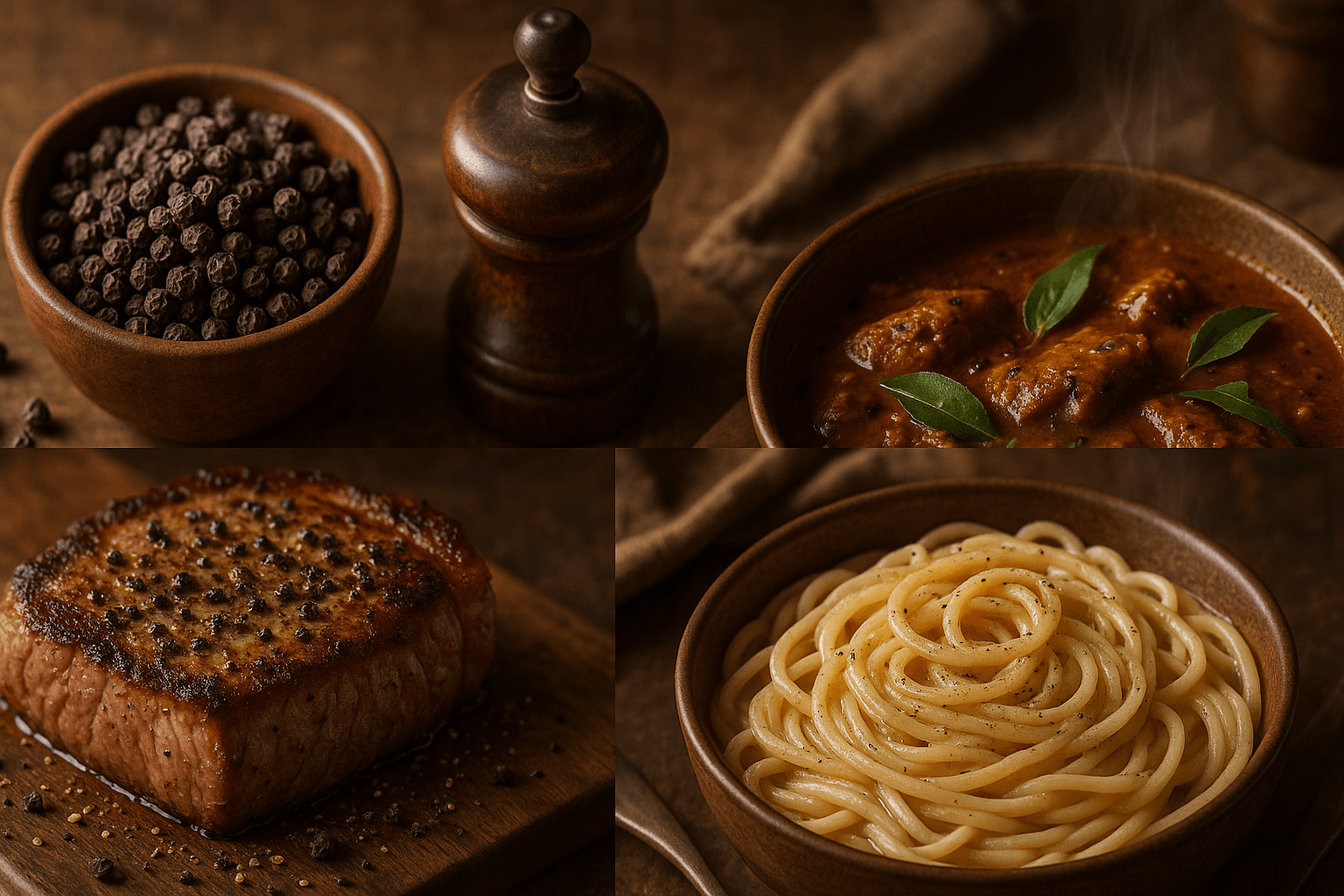
If you have ever bitten into a steak crusted with black pepper and thought, that tastes deep and warm, then tasted another dish where pepper seemed aggressively sharp, and another where it was little more than dusty bitterness, you have already met the three lives of black pepper. The same spice can read floral, woody, citrusy, resinous, hot, harsh, or almost absent depending on one deceptively simple set of variables: what compounds are present, how intact they remain, how they are extracted, and when they hit heat, fat, and moisture.
That is why “freshly cracked is better” is true but incomplete. Fresh grinding preserves aroma, yes, but particle size changes extraction. Blooming pepper in fat can either round it into a warm bass note or drive off its delicate top notes. Adding pepper early in a simmered curry builds depth, but finishing with more at the end restores lift. In Roman cacio e pepe, pepper is not just a seasoning; it is a structural flavor, toasted just enough to perfume the pasta water and cheese emulsion. On steak, coarse cracked pepper survives high heat differently than fine-ground pepper, which can veer from fragrant to acrid fast.
To use black pepper well, it helps to know what it is doing chemically. Two broad families matter most. Piperine is the alkaloid responsible for most of pepper’s pungent heat. Terpenes and related volatile aromatic compounds create the scents we call floral, citrusy, piney, herbal, woody, and sometimes almost lavender-like. Piperine is relatively stable compared with the volatile aromatics. The perfume disappears faster than the bite. That is the central reason old pepper tastes dull rather than merely mild: the heat lingers while the complexity drains away.
Once you understand that split, black pepper becomes easier to control. You stop treating it as a generic table seasoning and start using it the way cooks have in pepper-loving traditions for centuries: as both a source of heat and a source of aroma, each handled differently.
Black pepper in context: one spice, many traditions
Black pepper comes from Piper nigrum, a climbing vine native to the Malabar Coast of southwestern India. The green berries are harvested and processed at different stages for green, black, white, and red peppercorns. Black peppercorns are typically picked when nearly ripe, then fermented and dried so the skin darkens and wrinkles. That outer layer contributes some of black pepper’s more robust, woody character.
Pepper was one of the world’s great trade spices long before the modern pantry treated it like background noise. In South India, especially in Kerala and Tamil cuisines, black pepper has deep historical roots not merely as seasoning but as a major heat source that predates the widespread adoption of New World chiles. Pepper appears in rasam, milagu kuzhambu, pepper chicken, and spice blends where it works with cumin, coriander, curry leaves, garlic, ginger, and ghee or coconut oil to produce heat that feels different from chile heat: chesty, warming, less fruity, more penetrating.
In Rome, black pepper is essential to cacio e pepe, whose name tells you everything: cheese and pepper. Yet the dish is only simple on paper. The pepper must be present enough to define the sauce, but not so bitter or harsh that it bulldozes the Pecorino Romano. Roman cooks often toast cracked pepper lightly in a pan and loosen it with starchy pasta water, a move that extracts aromatic compounds into water and disperses them through the emulsion.
In classic French and steakhouse cooking, pepper shifts roles again. It can form part of a crust, especially in au poivre, where coarse cracked pepper contributes aroma, texture, and assertive pungency that stands up to beef fat and pan sauces. In long-simmered braises and curries, pepper works more as a foundational spice, often blooming in fat with other spices to create a rounded, integrated flavor.
These traditions all point to the same truth: black pepper is not one-note. It is a flexible spice whose best use depends on which of its qualities you want to emphasize.
The chemistry of sharp, floral, and dull
Piperine: the engine of pepper heat
Piperine is the main pungent alkaloid in black pepper. It activates heat and irritation receptors, especially TRPV1 and related sensory pathways, though not in exactly the same way as capsaicin from chiles. Pepper heat tends to feel warm, prickly, and lingering rather than blazing and fruity. It often arrives more in the throat and back palate than on the front of the tongue.
Piperine is not especially volatile, which means it does not readily fly off into the air the way aromatic molecules do. That is useful in cooking because some pungency survives grinding, storage, and moderate heating better than the top-note aromas. It is also why stale pepper may still taste “peppery” in the sense of hot, while lacking freshness.
Piperine is only sparingly soluble in water but dissolves better in alcohol and fats, and it disperses effectively in foods that contain emulsified fat. That matters for dishes like cacio e pepe, pan sauces, cream sauces, curries, and even steak juices. Fat can carry pepper heat smoothly across the palate, making it seem fuller and less scratchy.
Terpenes and volatile aromatics: the missing perfume
The aromatic signature of black pepper comes from volatile compounds, many of them terpenes and terpene-derived molecules such as limonene, pinene, sabinene, beta-caryophyllene, linalool, and others depending on origin and age. You do not need to memorize the names to cook well, but it helps to know what they do.
These compounds create the sensory notes that people describe as:
- citrus peel
- piney or resinous
- floral
- herbal
- woody
- camphor-like
- warm and incense-like
Unlike piperine, these molecules evaporate readily. The second you grind pepper, you dramatically increase surface area and rupture the structures that kept aromatics trapped. Your kitchen smells wonderful because the flavor is literally leaving the pepper and entering the air.
That is why pre-ground pepper, even when technically still pungent, often tastes flat and dusty. It has lost many of the volatile compounds that make black pepper feel alive. Exposure to oxygen also drives oxidation, which can shift aromas toward woody, cardboard-like, or muddy notes.
Why pepper tastes dull
Dull pepper is usually a combination of three things:
- Volatile aroma loss from grinding and storage
- Oxidation producing flatter, woodier flavors
- Imbalanced extraction where you get bitterness or blunt heat without aromatic lift
A jar of pre-ground pepper opened six months ago may still contribute background pungency, but it will rarely deliver the bright, almost sparkling complexity of freshly cracked peppercorns.
Grind size changes flavor, not just intensity
One of the biggest mistakes home cooks make is assuming grind size only affects how much pepper you taste. In reality, grind size changes what kind of pepper flavor you perceive.
Fine ground pepper
Fine pepper has enormous surface area. It extracts quickly and thoroughly, releasing pungency fast. In liquids and emulsions, it disperses evenly. That can be useful in sauces, soups, and spice blends when you want an integrated flavor rather than bursts of pepper.
But fine pepper also loses aroma fastest after grinding and scorches more easily in a hot pan. On steak, finely ground pepper can turn harsh or bitter before the meat is properly seared, especially above about 400 to 450°F / 205 to 230°C surface temperature.
Coarse cracked pepper
Coarsely cracked pepper releases flavor more slowly. It preserves pockets of aroma inside larger fragments and delivers intermittent bursts when eaten. It is excellent for steaks, au poivre, and finishing applications where texture is welcome.
Because less surface area is exposed, coarse pepper resists rapid aroma loss better than fine-ground pepper, at least over the short term after grinding. In a crust or finishing sprinkle, it can taste more complex and less dusty.
Medium grind
Medium grind is the all-purpose sweet spot for many dishes. It extracts better than coarse pepper but avoids some of the muddyness or harshness of very fine powder. For cacio e pepe, many cooks prefer medium to medium-coarse cracked pepper because it toasts well, perfumes the sauce, and still gives visible flecks.
Practical rule
- Fine: sauces, dressings, spice blends, some curries, soups
- Medium: pasta, eggs, roasted vegetables, general cooking
- Coarse: steak, au poivre, finishing, crusts, salads
If pepper tastes harsh, one fix is not less pepper but a coarser grind or a different timing of addition.
Heat changes pepper in two directions
Heat can improve black pepper or ruin it depending on temperature, time, and cooking medium.
Gentle heat blooms and rounds
When pepper is warmed gently in fat—say 20 to 60 seconds in butter, ghee, or oil over medium to medium-low heat—fat-soluble compounds disperse and aromas open up. The pungency can feel more integrated, less jagged. This is one reason pepper bloomed in ghee for South Indian dishes or in butter for pasta sauces can taste fuller and more harmonious than raw pepper sprinkled at the table.
Intense dry heat can scorch
When finely ground pepper sits on a screaming-hot surface, its volatiles burn off and bitter notes dominate. This is why pepper on steak is tricky. A thick coat of fine pepper over high-heat searing can taste acrid. With coarse cracked pepper, the larger particles protect some interior aroma, but even then, extreme heat can char the exterior.
Long simmering extracts warmth but sacrifices top notes
Add pepper early to a stew, curry, stock, or braise and you get deep background warmth. Add it only at the end and you get freshness and aromatic lift. Often the best answer is both: one addition early for base, one late for fragrance.
The bloom-timing rules that actually matter
“Blooming” means heating spices in fat to extract and distribute flavor. For pepper, timing is everything because you are balancing piperine extraction against terpene loss.
When to bloom early
Bloom pepper early when you want it integrated into the body of the dish:
- curries
- gravies
- creamy sauces
- pepper chicken
- mushroom sauces
- lentils and beans
Use 1 to 2 teaspoons freshly ground pepper for a dish serving 4 people, heated in 1 to 2 tablespoons oil, ghee, or butter for 20 to 45 seconds before adding onions, aromatics, or liquid. Keep the heat moderate. If the pepper smells burnt or starts smoking, you went too far.
When to add late
Add pepper late when you want brightness and perfume:
- cacio e pepe finish
- salads
- eggs
- soups at the table
- sliced steak after resting
- fresh cheese dishes
Late-added pepper should usually be freshly ground or cracked just before serving. Even 1/4 teaspoon can change the aromatic profile noticeably.
When to split the addition
This is the highest-payoff technique for pepper-forward dishes.
For a curry or pepper sauce, add:
- 60 to 70% of the pepper early in fat for depth
- 30 to 40% near the end or at the table for aroma
This layered approach mimics what skilled spice cooks do instinctively.
Why pepper behaves differently in steaks, cacio e pepe, and curries
Steaks
Steak gives you high surface heat, rendered fat, and relatively short cooking time. That means pepper is at risk of scorching before it has a chance to taste complex.
Best practice for steaks:
- Use coarse cracked pepper, not a fine powder.
- Salt the steak in advance, but apply some or all of the pepper after searing if you cook very hot.
- If you want pepper in the crust, use a moderate amount and avoid pressing a thick blanket of fine pepper into the meat.
- Consider a two-stage approach: a light coating before cooking, more freshly cracked pepper after resting.
For a 1-inch / 2.5 cm thick steak, seared in a pan with a surface temperature around 425°F / 220°C, a light coat of coarse pepper can work well. At substantially higher heat, especially on cast iron or over open flame, post-sear pepper often tastes cleaner.
In classic steak au poivre, the pepper crust is heavier, but the dish also relies on the richness of cream, butter, and cognac or stock in the sauce to soften pepper’s edge. Coarseness matters. Cracked peppercorns, not powder, are the point.
Cacio e pepe
Cacio e pepe is one of the clearest demonstrations that pepper is both aromatic and structural. The pepper is often toasted briefly in a dry pan or with a tiny amount of fat, then loosened with starchy pasta water. This extracts flavor into a medium that can be emulsified with cheese.
Best practice for cacio e pepe:
- Use freshly cracked medium or medium-coarse pepper.
- Toast gently for 30 to 60 seconds over medium heat until fragrant, not dark.
- Add 1/4 to 1/2 cup / 60 to 120 ml hot starchy pasta water to the pan to capture and disperse flavor.
- For 12 ounces / 340 g pasta, use 1 1/2 to 2 tablespoons cracked pepper if you want the pepper to be truly central.
Too fine a grind can make the sauce muddy and overly aggressive. Too coarse, and the pepper does not perfume the emulsion enough. The sweet spot is often cracked pieces roughly like coarse sand to small flakes.
Curries and South Indian pepper dishes
In South Indian cooking, black pepper is often used with cumin, mustard seeds, curry leaves, garlic, shallots, ginger, and ghee or coconut oil. Here pepper is not a garnish; it is part of the spice architecture.
For dishes like milagu rasam or milagu kuzhambu, pepper may be crushed with cumin and added in stages. Some is heated early to season the oil and broth; some remains less cooked for aromatic lift. Pepper’s warmth deepens during simmering, but if all of it cooks too long, the dish loses sparkle.
Best practice for pepper-forward curries:
- Use coarsely crushed or medium-ground pepper, often with cumin.
- Bloom in fat for 20 to 30 seconds with other spices.
- Simmer enough to integrate, usually 5 to 20 minutes depending on the dish.
- Finish with a small additional amount of freshly ground pepper if the flavor reads flat.
This is one place where pre-ground pepper is especially disappointing. Since the dish is built around pepper, stale aromatics leave it tasting merely hot and earthy rather than vivid.
Whole vs. pre-ground: when each makes sense
The blunt recommendation is simple: if black pepper matters to the dish, buy whole peppercorns.
Choose whole peppercorns for:
- steaks and chops
- cacio e pepe
- pepper sauces
- pepper chicken
- finishing soups, eggs, vegetables
- any recipe where pepper is named or central
Whole peppercorns keep their aromatics far longer because the interior remains protected. Stored well, they can remain useful for 1 to 2 years, sometimes longer, though the best aroma is usually within the first year after purchase.
Pre-ground pepper is acceptable for:
- background seasoning in large batches
- spice rubs used quickly
- convenience cooking when pepper is not the star
- emergency pantry use
If using pre-ground pepper, buy smaller containers and try to use them within 1 to 3 months after opening for best quality. Keep away from heat, light, and steam. Do not store it over the stove.
What to look for in whole peppercorns
Good black peppercorns should smell fragrant when crushed, not musty. They should be fairly heavy for their size, not hollow and dusty. Different origins can show different personalities: some more citrusy, some more woody, some more robust and earthy. But freshness matters more than terroir if your current pepper tastes flat.
Toasting pepper: yes, but gently
Toasting can make pepper taste wonderfully warm and expansive, but it is easy to overdo.
Dry toasting
Best for cacio e pepe and some finishing applications.
- Heat a dry pan over medium to medium-low.
- Add cracked pepper.
- Toast 30 to 60 seconds, shaking frequently.
- Stop when fragrant, not smoking.
Dry toasting emphasizes warm, woody, nutty notes while reducing some greener, fresher top notes.
Fat blooming
Best for curries, sauces, eggs, and some vegetable dishes.
- Heat 1 tablespoon fat over medium-low.
- Add ground or cracked pepper.
- Bloom 20 to 45 seconds.
- Proceed with other ingredients.
Fat blooming rounds the flavor and carries both aroma and pungency through the dish.
When not to toast
- When you want the brightest floral and citrus notes
- When the pepper will sit on very high direct heat anyway
- When using already stale pre-ground pepper, which often just becomes dustier and harsher
Common mistakes that make pepper taste harsh or boring
1. Grinding too far in advance
Ground pepper starts losing volatile aroma almost immediately. Grind right before use whenever possible.
2. Using too fine a grind on high heat
Fine pepper burns easily. For steak crusts and hot sautéing, go coarser.
3. Cooking all the pepper for too long
A 45-minute simmer gives depth but strips brightness. Hold some back for the end.
4. Storing pepper badly
Steam, light, oxygen, and heat are the enemies. Keep peppercorns in an airtight container in a cool, dark cupboard.
5. Assuming more pepper fixes dullness
If the pepper is stale, adding more often just increases woody harshness. Fresher pepper, better timing, or a coarser grind works better.
6. Confusing bitterness with strength
Burnt pepper is not “extra peppery.” It is just scorched.
Step-by-step rules for better results at home
Here are practical methods for three common pepper-heavy situations.
Method 1: Better pepper on steak
For 2 steaks, about 10 to 12 ounces / 280 to 340 g each:
- Salt the steaks with about 3/4 teaspoon kosher salt total at least 40 minutes ahead, or up to overnight.
- Pat dry before cooking.
- Crack 1 to 2 teaspoons black peppercorns coarsely.
- If searing at moderate-high heat in a pan, apply half the pepper before cooking.
- Sear until browned, roughly 2 to 4 minutes per side depending on thickness.
- Rest 5 to 10 minutes.
- Add the remaining freshly cracked pepper after resting, along with a little flaky salt or butter if desired.
This gives crust flavor without sacrificing aromatic freshness.
Method 2: Better cacio e pepe
For 12 ounces / 340 g spaghetti or tonnarelli:
- Bring water to a boil using slightly less water than usual to concentrate starch, about 2 1/2 to 3 quarts / 2.4 to 2.8 L.
- Salt moderately; Pecorino is salty already.
- Crack 1 1/2 to 2 tablespoons black pepper medium-coarse.
- Toast pepper in a skillet over medium heat for 30 to 45 seconds.
- Add 1/3 cup / 80 ml pasta water to the skillet and let it simmer briefly.
- Cook pasta until just shy of done.
- Mix 4 to 5 ounces / 115 to 140 g finely grated Pecorino Romano with a small amount of cooler water to form a loose paste, or temper carefully with warm pasta water.
- Combine pasta with peppery water off the heat or over very low heat.
- Add cheese gradually, tossing vigorously and adjusting with more pasta water until glossy.
- Finish with a few more turns of fresh pepper.
The late pepper on top restores the aroma that the toasted pepper alone cannot fully provide.
Method 3: Better South Indian-style pepper curry base
For a curry serving 4 to 6:
- Coarsely crush 2 teaspoons black peppercorns and 1 teaspoon cumin seeds.
- Heat 1 1/2 tablespoons coconut oil or ghee over medium.
- Add 1/2 teaspoon mustard seeds; let them pop.
- Add a few curry leaves if using, then the crushed pepper-cumin mixture.
- Bloom 20 to 30 seconds.
- Add sliced onions or shallots and cook until softened, 5 to 8 minutes.
- Add ginger, garlic, and other spices as desired.
- Add your protein or vegetables and cooking liquid.
- Simmer until integrated.
- Taste at the end and add 1/4 to 1/2 teaspoon freshly ground pepper if the flavor needs lift.
This creates layered pepper flavor rather than one flat note.
Why pepper can taste woody, citrusy, floral, or harsh
These tasting notes are not imaginary; they are clues about chemistry and technique.
Woody
Woody pepper often comes from:
- older pepper with lost top notes
- toasted or long-cooked pepper
- black pepper’s husk character becoming dominant
Woody is not always bad. In sauces and braises it can feel comforting and warm. But if woodiness is all you get, the pepper is probably old or overcooked.
Citrusy
Citrusy notes come from volatile aromatic compounds, especially when pepper is freshly ground and not overcooked. They show up best in late additions, dressings, simple pasta, and on freshly sliced meat.
Floral
Floral notes are subtle and easiest to notice with fresh pepper, moderate grind size, and restrained heat. They can disappear quickly if pepper is toasted hard or simmered too long.
Harsh
Harsh pepper usually means one of the following:
- very fine grind
- burnt or scorched pepper
- too much old pre-ground pepper
- pepper added without enough fat, moisture, or dilution in a dish where it concentrates unpleasantly
Harshness can often be corrected by adding fat, using a coarser grind, or splitting the addition between early and late stages.
Storage rules that preserve flavor
To protect pepper’s aroma:
- Buy whole peppercorns in quantities you can use within 6 to 12 months for peak quality.
- Store airtight, cool, and dark.
- Avoid clear jars in sunlight.
- Do not shake pepper directly over steaming pots if moisture can enter the grinder or jar.
- Grind only what you need.
A good pepper mill is helpful, but even a mortar and pestle or heavy pan works beautifully. In fact, crushing pepper by hand often gives better irregular pieces for steak and cacio e pepe than a standard fine pepper mill setting.
The simple decision framework
When deciding how to use black pepper, ask four questions:
1. Is pepper the star or background?
If star, use whole peppercorns and grind fresh.
2. Do I want depth or aroma?
- Depth: add early, bloom gently
- Aroma: add late, freshly grind
- Both: split the addition
3. Is the cooking heat gentle or fierce?
- Gentle: fine to medium grinds work well
- Fierce: use coarse pepper or add after cooking
4. Do I want seamless seasoning or bursts of pepper?
- Seamless: finer grind
- Bursts and texture: coarser crack
Those four decisions will get you most of the way to better pepper use in almost any cuisine.
The takeaway: treat pepper like a real spice, not a table habit
Black pepper tastes sharp because of piperine. It tastes floral, citrusy, or piney because of volatile aromatic compounds that vanish quickly once ground or overheated. It tastes dull when those volatiles are gone and only blunt pungency or oxidation remains. Grind size changes extraction speed and sensory character. Bloom timing changes whether pepper becomes deep and rounded or fresh and aromatic. High heat can glorify coarse cracked pepper or destroy fine powder.
So yes, freshly cracked is better. But the more useful rule is this: match the grind and timing to the dish.
For steaks, think coarse and often partly late. For cacio e pepe, think medium-coarse, gently toasted, then refreshed at the finish. For curries, think layered: some bloomed in fat, some added later. For any dish where pepper matters, buy whole peppercorns, store them well, and grind with intention.
Once you start treating black pepper as a spice with structure rather than a generic black dust, your food changes in surprisingly dramatic ways. Steaks taste more vivid. Pasta smells more alive. Curries gain depth without becoming muddy. And the next time pepper tastes woody, citrusy, floral, or harsh, you will know exactly why.