Why Jackfruit Turns Meaty, Stringy, or Jammy: Pectin Structure, Latex Chemistry, and the Ripeness Rules for Better Curries, Tacos, and Desserts
RecipeSimpli
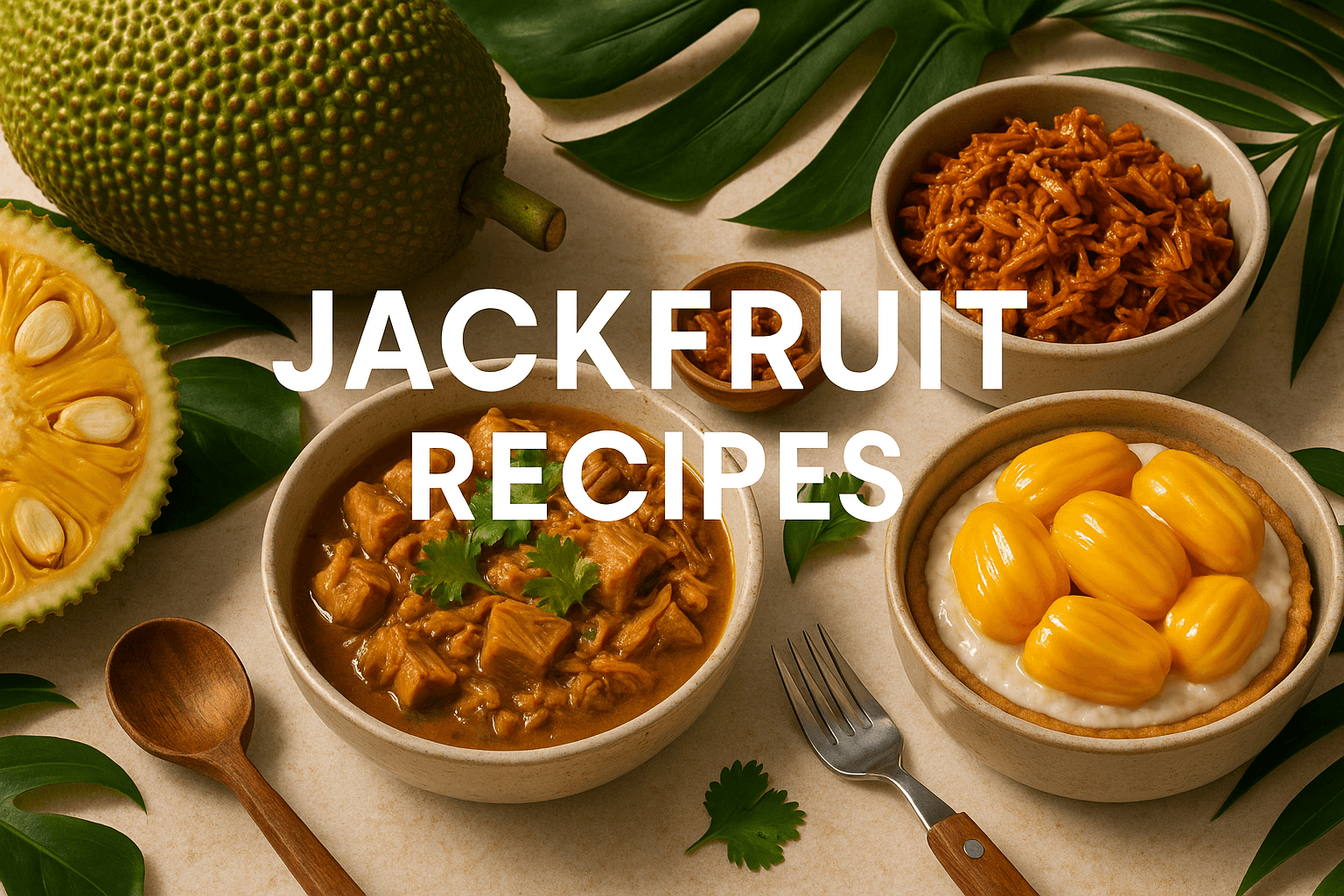
Jackfruit can be one of the most confusing ingredients in the kitchen because it behaves like several different foods depending on when you catch it. Pick it young and it can shred into juicy fibers that mimic braised meat. Let it ripen and it turns fragrant, sticky, and almost custard-like, with a sweetness somewhere between banana, mango, and bubble gum. Cook it the wrong way at the wrong stage, though, and you get disappointment in stereo: mushy tacos, tough curry, gummy interiors, or a dessert that tastes flat and starchy instead of lush and tropical.
That split personality is exactly what makes jackfruit worth understanding. Its dramatic change from savory vegetable to perfumed fruit is not a culinary gimmick. It is a structural transformation driven by pectin chemistry, starch conversion, cell wall breakdown, sugar development, latex behavior, and aroma production. Once you know how those systems shift with ripeness, jackfruit stops being mysterious and starts becoming useful.
And useful is the key word. In South and Southeast Asian cooking, jackfruit has long been more than a novelty or a vegan stand-in for pulled pork. Young jackfruit appears in curries, stir-fries, coconut braises, pickles, and dry spiced preparations. Ripe jackfruit is eaten fresh, folded into sweets, cooked into preserves, fried, dried, or blended into creamy desserts. The fruit’s seeds are also edible and delicious, with a chestnut-like, potato-like quality when cooked. There is a large culinary world here, far bigger than the internet’s habit of stuffing canned jackfruit into barbecue sauce and calling it a day.
So let’s get into what is actually happening inside jackfruit, why texture changes so dramatically, and how to make those changes work for curries, tacos, and desserts that taste intentional rather than improvised.
Jackfruit’s two culinary lives
Jackfruit is the fruit of Artocarpus heterophyllus, a tropical species in the mulberry family. It is native to South Asia and widely cultivated across India, Bangladesh, Sri Lanka, Thailand, Vietnam, Indonesia, Malaysia, and beyond. A mature fruit can be enormous, often weighing 10 to 25 pounds at retail and much more when fully grown on the tree. Inside its spiky shell are multiple golden bulbs or arils surrounding seeds, all embedded in a fibrous matrix attached to a central core.
The same fruit is used at very different stages:
- Young green jackfruit is harvested immature, before sugars and aroma compounds fully develop. At this stage it behaves more like a vegetable. It is pale, mild, fibrous, and relatively low in sweetness.
- Ripe jackfruit is harvested later, when the bulbs become yellow to deep gold, aromatic, and sweet. The texture softens and the fruit becomes suitable for desserts or fresh eating.
Those two uses map directly onto chemistry.
In young jackfruit, the cell walls are firmer, starch levels are higher, pectin is more intact, and the fruit’s aromatic compounds are less developed. The fibers can separate under pressure and heat, which is why cooked young jackfruit pulls into strands.
In ripe jackfruit, enzymes have started dismantling structural polysaccharides in the cell walls, starches convert into sugars, volatile aroma molecules increase, and the edible bulbs lose their vegetal restraint. Instead of shredding cleanly, ripe jackfruit compresses and spreads. That is why it goes jammy or custardy rather than meaty.
If you remember just one thing, remember this: young jackfruit is about structure; ripe jackfruit is about perfume and softness.
Why young jackfruit shreds like meat
The “meaty” effect of young jackfruit is often overstated. It does not taste like pork or chicken on its own. What it does offer is a convincing physical texture when treated properly. That texture comes from the organization of its fibers and the state of its pectin-rich cell walls.
Fiber bundles and directional tearing
Inside young jackfruit, the flesh and surrounding fibrous tissue contain long strands that separate along natural lines. When heated until tender, then squeezed or pulled, those fibers split apart into irregular shreds. That irregularity matters. Meat feels satisfying partly because muscle fibers separate in uneven strands, not uniform cubes. Young jackfruit can imitate that geometry.
Pectin gives structure before it gives way
Pectin is a structural carbohydrate found in plant cell walls and the middle lamella, the glue that helps neighboring cells stick together. In immature fruit, pectin remains relatively intact and organized. This contributes firmness and cohesiveness.
As young jackfruit cooks, heat weakens those structures enough for the fruit to become tender, but not so much that it collapses immediately into paste. That window, where the fruit is yielding yet still fibrous, is exactly what you want for curries and taco fillings.
Starch and low sugar keep it savory-friendly
Young jackfruit contains more starch and less sugar than ripe fruit. This means its flavor is mild and green rather than overtly fruity. It absorbs spices, chile, coconut milk, tamarind, onions, garlic, smoke, and browned fats without the awkward sweetness that ripe jackfruit would bring to a savory dish.
Why canned young jackfruit sometimes disappoints
Many cooks first meet jackfruit in cans or pouches. These can be excellent, but quality varies. Some products are packed in brine, others in water, and the maturity of the fruit at packing is not always uniform. If the fruit was harvested a little too old, the pieces may already lean soft. If it was packed in sweet syrup, it is for dessert, not tacos. If the core-heavy pieces dominate the can, you may get chunkiness without enough shreddable fiber.
Look for young green jackfruit in brine or water, never syrup, for savory uses.
Why ripe jackfruit becomes jammy and custardy
Ripe jackfruit is a completely different ingredient. Its transformation is part of the broader biology of fruit ripening, in which plants make themselves attractive to animals by becoming sweeter, softer, and more aromatic.
Pectin breakdown softens the fruit
As jackfruit ripens, enzymes such as pectin methylesterase and polygalacturonase begin modifying and breaking down pectin. This reduces the glue between cells. Instead of staying rigidly connected, cells separate more easily, and the flesh softens.
In practical kitchen terms, ripe jackfruit bulbs are less likely to hold a savory shredded shape and more likely to mash, slump, or melt into a puree-like texture when heated for long periods.
Starch turns into sugar
Ripening converts stored carbohydrates into simpler sugars. The fruit tastes much sweeter, but the change is also textural. Sugars attract water and alter how the fruit feels on the tongue, contributing to the lush, slippery, almost creamy sensation of ripe jackfruit.
Aroma compounds explode
Ripe jackfruit’s strong tropical fragrance comes from volatile compounds including esters and other aroma-active molecules. Different cultivars vary, but many people notice notes reminiscent of banana, pineapple, mango, melon, vanilla, or even Juicy Fruit gum.
That perfume is delightful in desserts and fruit preparations, but in a savory curry it can read as confusing or candy-like unless the dish is specifically designed around sweet-fragrant fruit.
Heat pushes ripe jackfruit toward jam
When you cook ripe jackfruit with sugar, the cells soften further, moisture evaporates, and the pulp thickens. This is why ripe jackfruit is so good in halwa-like sweets, preserves, fillings, fritters, and reduction-based desserts. It wants to become spoonable.
The role of latex: the sticky chemistry that affects prep
If you have ever cut a fresh jackfruit, you know the latex is real. White, sticky sap oozes from cut surfaces and can gum up knives, cutting boards, and fingers. This is one reason many home cooks choose canned young jackfruit or pre-cut ripe bulbs.
What the latex does
Jackfruit latex is a plant defense material composed of water, resins, proteins, and rubbery compounds. Once exposed, it becomes tacky and adheres aggressively to surfaces. It is not there to annoy you personally, but it can certainly feel that way.
How to handle it cleanly
For a whole fresh jackfruit:
- Oil your knife, hands, and cutting board lightly with a neutral oil.
- Wear gloves if you want less cleanup.
- Lay down parchment or newspaper for easier disposal.
- Keep a bowl with a lightly oiled towel nearby to wipe the blade frequently.
A thin coat of oil works because latex is hydrophobic enough that water alone does a poor job removing it. Fat helps prevent adhesion and assists cleanup.
Does latex affect flavor?
Mostly it affects handling, but if large amounts remain on immature fruit, it can contribute bitterness or an unpleasant sticky mouthfeel. This is another reason to rinse and, for savory dishes, often parboil or brine young jackfruit before final cooking.
How acid, salt, and heat change jackfruit behavior
Three of the most useful tools in jackfruit cookery are acid, salt, and heat. They shape both texture and flavor.
Salt and brining improve savory texture
Brining young jackfruit can season it more deeply and improve texture perception. A basic brine for canned or prepped young jackfruit is:
- 1 liter water
- 30 grams kosher salt, about 2 tablespoons Diamond Crystal or 1 tablespoon plus 1 teaspoon Morton kosher
- Optional: 10 grams sugar, about 2 teaspoons, to round bitterness
Soak for 20 to 30 minutes, then drain well.
Why this helps:
- Salt seasons the interior, not just the surface.
- It can reduce the blandness that makes jackfruit taste watery.
- It slightly firms perception by drawing some moisture outward before cooking.
For canned jackfruit in brine, you may still brine briefly after rinsing, but taste first. Some brands are already quite salty.
Squeezing removes excess water
One of the biggest differences between mediocre and excellent jackfruit tacos is moisture management. After rinsing and optionally simmering or brining, squeeze the jackfruit thoroughly.
You can:
- Press it in a clean towel
- Squeeze by hand in batches
- Spread it on a tray and pat dry, then roast
Removing water allows the fibers to fry, toast, and absorb fat and spices rather than steam into mush. This is probably the single most important practical step for a “pulled” texture.
Acid can brighten or preserve firmness, depending on timing
Acidic ingredients like tamarind, tomatoes, lime juice, vinegar, and yogurt affect texture and flavor. In many plant foods, acid can help slow softening by influencing pectin behavior. In jackfruit dishes, the effect is subtle but useful.
- Add acid earlier if you want pieces to hold shape better during braising.
- Add acid later if you want maximum flavor brightness without interfering much with tenderization.
For taco fillings, I usually add a little acid in two stages: a small amount during cooking for integration, and a final squeeze of lime at the end for freshness.
Heat determines whether you get strands, chunks, or paste
Young jackfruit usually benefits from a staged approach:
- Tenderize with moist heat: simmer, pressure-cook, or braise.
- Shred or crush lightly once tender.
- Concentrate and brown with dry heat or sautéing.
If you stop after the moist stage, you often get wet, floppy jackfruit. If you only blast it with dry heat while it is still firm, it can be chewy and undercooked. The best savory texture usually comes from combining both.
Cultural context: far more than vegan pulled pork
Jackfruit’s recent popularity in Western food media has been heavily filtered through meat substitution. That is understandable but limiting. In many South and Southeast Asian cuisines, young jackfruit is appreciated on its own terms: not because it pretends to be meat, but because it offers a satisfying vegetal density, a talent for carrying spice, and a texture somewhere between artichoke heart, bamboo shoot, and braised mushroom with fibers.
In India, young jackfruit appears in dry masala preparations, rich gravies, festive dishes, pickles, and regional specialties that can be deeply spiced or onion-tomato based. In Bangladesh, jackfruit is both a fruit and a vegetable ingredient with strong seasonal importance. In Sri Lanka, polos curry uses young jackfruit in a dark, spiced gravy. In Indonesia, gudeg transforms young jackfruit through long cooking into a sweet-savory braise, often with coconut milk and aromatic spices. Across Thailand and other parts of Southeast Asia, ripe jackfruit is eaten fresh and used in sweets, while young jackfruit may appear in savory preparations depending on region.
This context matters because it suggests better ways to cook jackfruit. Rather than forcing it to act exactly like pork shoulder, you can cook to its strengths: spice absorption, fibrous layering, gentle sweetness when young, and compatibility with coconut, chiles, toasted spices, aromatics, and souring agents.
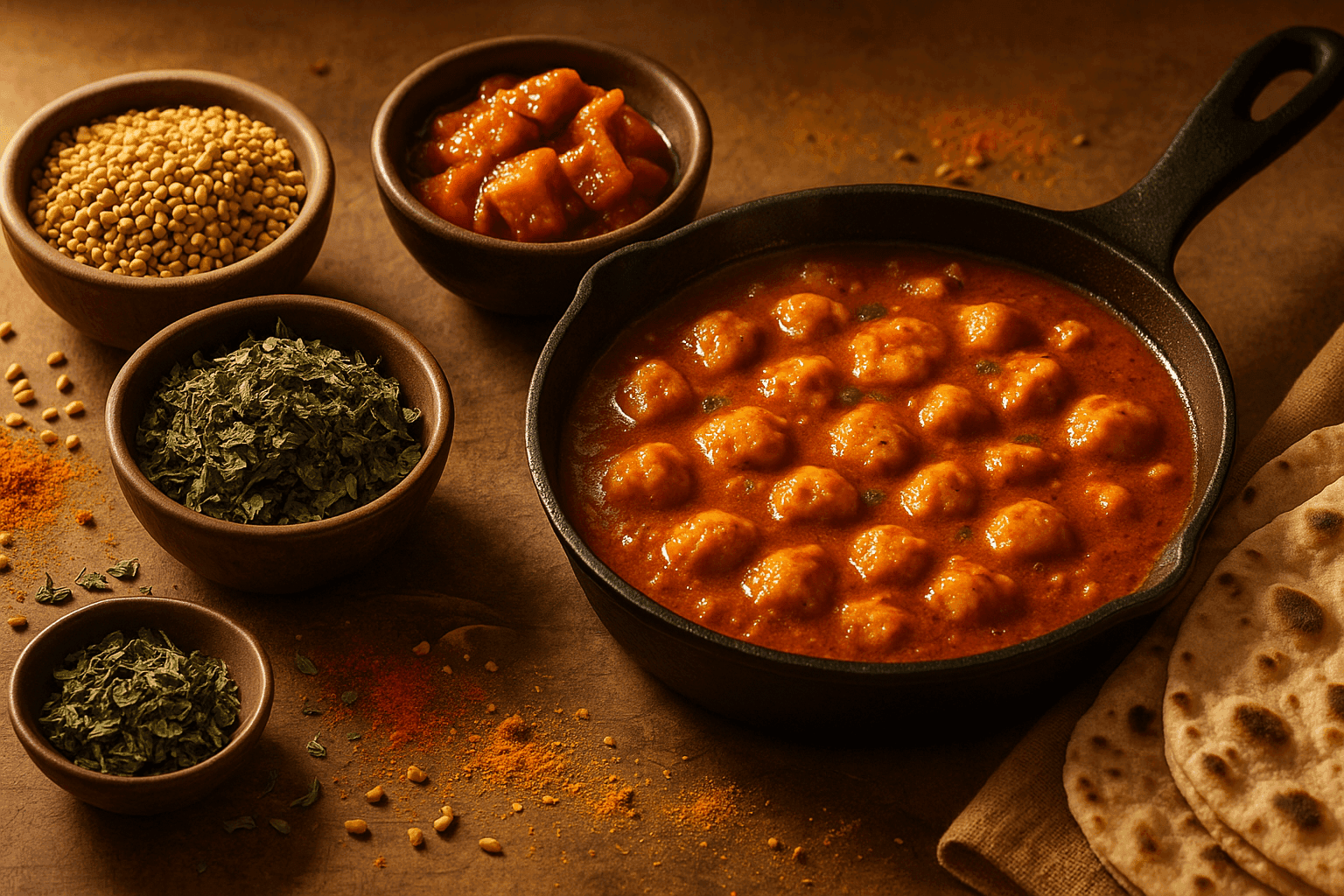
Step-by-step: better young jackfruit for curries
Here is a reliable method for a home-style young jackfruit curry using canned or vacuum-packed young green jackfruit.
Ingredients
- 2 cans young green jackfruit in water or brine, 20 ounces/565 grams each, drained
- 2 tablespoons neutral oil or coconut oil
- 1 medium onion, finely sliced
- 4 garlic cloves, minced
- 1 tablespoon grated ginger
- 2 teaspoons ground coriander
- 1 teaspoon ground cumin
- 1/2 teaspoon turmeric
- 1 to 2 teaspoons chile powder, to taste
- 1 tablespoon tomato paste
- 1 medium tomato, chopped, or 1/2 cup canned crushed tomato
- 1 cup coconut milk
- 3/4 cup water or stock
- 1 tablespoon tamarind concentrate or 2 teaspoons lime juice
- 1 to 1 1/2 teaspoons kosher salt, plus more to taste
- 1/2 teaspoon sugar, optional
- 1 sprig curry leaves or 1 bay leaf, optional
Method
- Prep the jackfruit. Rinse drained jackfruit well. If the cores are very hard, trim some away but keep enough for texture. Simmer in plain water for 12 to 15 minutes until just tender. Drain and cool slightly.
- Squeeze lightly. Press out excess water with your hands or a towel. Do not mash completely.
- Break into pieces. Pull larger chunks apart into rough bite-size shreds and nuggets.
- Build the masala. Heat oil over medium heat. Cook onion with a pinch of salt for 8 to 10 minutes until golden at the edges. Add garlic and ginger; cook 1 minute. Stir in coriander, cumin, turmeric, and chile powder for 30 seconds. Add tomato paste and tomato; cook until thickened and glossy, about 3 to 5 minutes.
- Coat the jackfruit. Add jackfruit and stir well so the fibers absorb the spiced oil.
- Braise gently. Add coconut milk, water or stock, tamarind, curry leaves if using, salt, and optional sugar. Bring to a gentle simmer, cover partially, and cook 20 to 25 minutes, stirring occasionally.
- Finish to texture. Uncover for the last 5 to 10 minutes if you want a thicker sauce. For a drier curry, let the liquid reduce more aggressively and lightly crush some pieces against the pan.
- Rest before serving. Let the curry sit 10 minutes off heat. The fibers absorb flavor as it cools slightly.
Why it works
- Simmering first tenderizes the pectin-rich tissue.
- Squeezing prevents a watery curry.
- Spiced oil coats and flavors the fibers before dilution.
- Coconut milk adds fat, which creates a fuller mouthfeel and helps the jackfruit feel richer and more satisfying.
Step-by-step: jackfruit tacos that actually taste good
Jackfruit tacos fail when the filling is wet, under-seasoned, and one-note. To avoid that, think in layers: season, dry, brown, and enrich.
Ingredients
- 2 cans young green jackfruit in water or brine, about 40 ounces/1.13 kilograms total before draining
- 1 small onion, thinly sliced
- 3 tablespoons neutral oil
- 1 teaspoon kosher salt, plus more to taste
- 1 teaspoon smoked paprika
- 1 teaspoon ground cumin
- 1 teaspoon dried oregano
- 1/2 teaspoon black pepper
- 1/2 teaspoon chipotle powder or 1 minced chipotle in adobo
- 2 tablespoons tomato paste
- 1 tablespoon soy sauce or 2 teaspoons light soy plus 1 teaspoon lime juice
- 1 teaspoon maple syrup or brown sugar, optional
- 1/2 cup vegetable stock or water
- 1 tablespoon lime juice, plus more to finish
Method
- Rinse and dry. Drain, rinse, and squeeze the jackfruit thoroughly.
- Optional quick brine. If the jackfruit tastes flat, soak in a 3% salt brine for 20 minutes, then drain and squeeze again.
- Roast for dehydration. Spread on a sheet pan, drizzle with 1 tablespoon oil, and roast at 425°F/220°C for 20 minutes, tossing once. This drives off moisture and begins browning.
- Shred. Use your fingers or two forks to pull apart the hot jackfruit into strands and small chunks.
- Build flavor in the pan. Heat remaining oil in a wide skillet. Cook onion with a pinch of salt over medium heat for 6 to 8 minutes until softened and browned. Add smoked paprika, cumin, oregano, black pepper, chipotle, and tomato paste; cook 1 minute.
- Add umami and moisture. Stir in soy sauce, optional maple syrup, and stock. Add jackfruit and cook over medium-high heat for 8 to 10 minutes, stirring occasionally, until some edges crisp and the pan looks nearly dry.
- Finish with acid. Add lime juice off heat and taste for salt.
Fat layering: the secret to a more satisfying bite
Jackfruit has little intrinsic fat, so it can taste lean in a hollow way. Meat feels succulent partly because fat carries flavor and lubricates chewing. To compensate, layer fat elsewhere:
- Brush tortillas lightly with oil before toasting.
- Add avocado or guacamole.
- Use a crema, cashew crema, or yogurt sauce.
- Top with toasted nuts or seeds for richness.
This is what I mean by fat layering. You are not trying to make jackfruit fatty inside; you are building a complete bite around it so it reads as abundant rather than austere.
Step-by-step: ripe jackfruit for desserts
Ripe jackfruit shines when you preserve its aroma and let its softness work for you.
Simple ripe jackfruit compote
- 3 cups ripe jackfruit bulbs, seeds removed, sliced
- 2 tablespoons sugar, or more to taste
- 1 tablespoon water
- Pinch of salt
- 1 teaspoon lime juice
- Optional: 1 small pandan leaf, knotted, or 1/4 teaspoon cardamom
- Combine all ingredients except lime juice in a saucepan.
- Cook over low heat for 8 to 12 minutes, stirring occasionally, until the fruit softens and glistens.
- Lightly mash a portion for a jammy texture, leaving some pieces whole.
- Turn off heat and stir in lime juice.
- Cool and serve with coconut sticky rice, yogurt, ice cream, crepes, or rice pudding.
Why low heat matters
Ripe jackfruit’s aroma is volatile. Long, aggressive boiling can flatten its perfume. Gentle heat softens and concentrates without driving off every floral, fruity note.
Common mistakes and how to avoid them
1. Using ripe jackfruit for savory shredding
If it smells strongly sweet and fruity, it will not become convincing taco filling. Save it for dessert.
2. Buying jackfruit in syrup for tacos or curry
Check the label carefully. Syrup-packed jackfruit is for sweet applications.
3. Skipping the drying step
Wet jackfruit steams. Dry jackfruit browns. Browning means more flavor.
4. Under-seasoning
Young jackfruit is mild. It needs enough salt, acid, aromatic base, and often some umami support.
5. Expecting exact meat flavor
Jackfruit provides texture more than meaty taste. Build flavor with onions, garlic, soy, mushrooms, toasted spices, miso, chipotle, coconut milk, or stock.
6. Overcooking ripe jackfruit
You can cook it down into a lovely preserve, but if you wanted distinct fruit pieces, stop earlier.
7. Ignoring the seeds
If you buy fresh jackfruit, cook the seeds in simmering water for 25 to 35 minutes until tender, then peel. They can be added to curries or mashed into fillings.
Tips and variations
If you want a firmer “meaty” texture
- Use younger fruit.
- Simmer only until just tender.
- Squeeze very well.
- Roast before sautéing.
- Finish in a wide pan to evaporate moisture quickly.
If you want a softer curry texture
- Cook longer in sauce, 35 to 45 minutes total.
- Crush some jackfruit into the gravy.
- Include more core pieces, which soften differently and add body.
If you want stronger savory depth
Try one or two of these additions:
- 1 teaspoon soy sauce
- 1 teaspoon white or red miso
- 1/2 teaspoon mushroom powder
- 1 tablespoon nutritional yeast
- 1 teaspoon Worcestershire, if vegetarian status is not a concern
If the canned jackfruit tastes tinny or dull
Rinse thoroughly, simmer briefly in fresh water for 5 minutes, drain, and squeeze. This refreshes the flavor.
Pairings that make sense
Young jackfruit loves:
- Coconut milk
- Black pepper
- Toasted cumin and coriander
- Mustard seeds
- Curry leaves
- Tamarind
- Lime
- Chile pastes
- Garlic and ginger
- Caramelized onions
Ripe jackfruit loves:
- Coconut
- Palm sugar
- Pandan
- Cardamom
- Lime
- Sticky rice
- Condensed milk
- Yogurt
- Vanilla
The science of why brining, squeezing, and fat layering work so well
These three techniques are worth revisiting because they solve the biggest sensory problems of savory jackfruit.
Brining
A modest salt solution improves internal seasoning and can alter perceived juiciness and structure. In a bland plant matrix, seasoning throughout makes the fibers taste fuller and more deliberate.
Squeezing
Jackfruit’s fibrous network holds water. Too much retained water dilutes flavor and blocks browning because the pan must first evaporate that moisture. Squeezing shortens the path to caramelization and concentrated texture.
Fat layering
Because jackfruit is low in fat, it lacks the lubricated chew associated with braised meat. Adding fats around it compensates for that physical absence, helping the palate interpret the dish as richer and more complete.
This is less about fooling anyone and more about balancing a food system. Texture is never one variable; it is structure plus moisture plus fat plus temperature plus aroma.
How to choose jackfruit at the store
For savory dishes
Buy:
- Canned or vacuum-packed young green jackfruit
- Packed in water or brine
- Preferably with visible wedge-like pieces and fibers
Avoid:
- Syrup-packed fruit
- Bright yellow ripe bulbs for tacos or curry
For desserts
Buy:
- Fresh ripe bulbs that smell fragrant and look golden
- Frozen ripe jackfruit if fresh is unavailable
- Canned ripe jackfruit only if quality is good and syrup level suits your recipe
A practical ripeness rulebook
When deciding what to cook, use this quick guide:
- Pale, mild, starchy, low aroma: use for curry, stir-fry, braise, tacos, fritters
- Yellow, fragrant, sweet, soft: use for fresh eating, compote, ice cream, pudding, jam, sweet dumplings, preserves
- Somewhere in between: best for dishes that welcome slight sweetness, such as coconut braises, sweet-savory stews, or spiced stir-fries
If you are unsure, smell it. Aroma is a strong clue to sugar and ripeness development.
Takeaways
Jackfruit turns meaty, stringy, or jammy because ripeness changes its structure from the inside out. Young fruit holds more intact pectin, more starch, less sugar, and milder aroma, so it can be simmered, squeezed, and shredded into savory fibers. Ripe fruit undergoes pectin breakdown, starch-to-sugar conversion, and a surge of volatile aromas, so it softens into sweet, fragrant flesh that behaves beautifully in desserts but poorly in faux-pulled-pork applications.
If you want better results, match the stage of the fruit to the dish. Use young green jackfruit for curries, braises, and tacos. Use ripe jackfruit for compotes, sweets, and fresh preparations. Manage latex with oil. Use salt, acid, and staged heat deliberately. For savory dishes, brine if needed, squeeze aggressively, and layer in fat so the final bite feels rounded and satisfying.
Most of all, treat jackfruit as a serious ingredient with its own history and logic, not just a trick. It can indeed shred. It can also perfume a dessert, enrich a curry, or carry a regional spice paste with remarkable grace. Once you understand the ripeness rules, you stop fighting jackfruit and start cooking with it.