Juicing Recipes for Blood Sugar Balance: Low-Glycemic Juice Combos + Fiber Hacks That Actually Fill You Up
RecipeSimpli
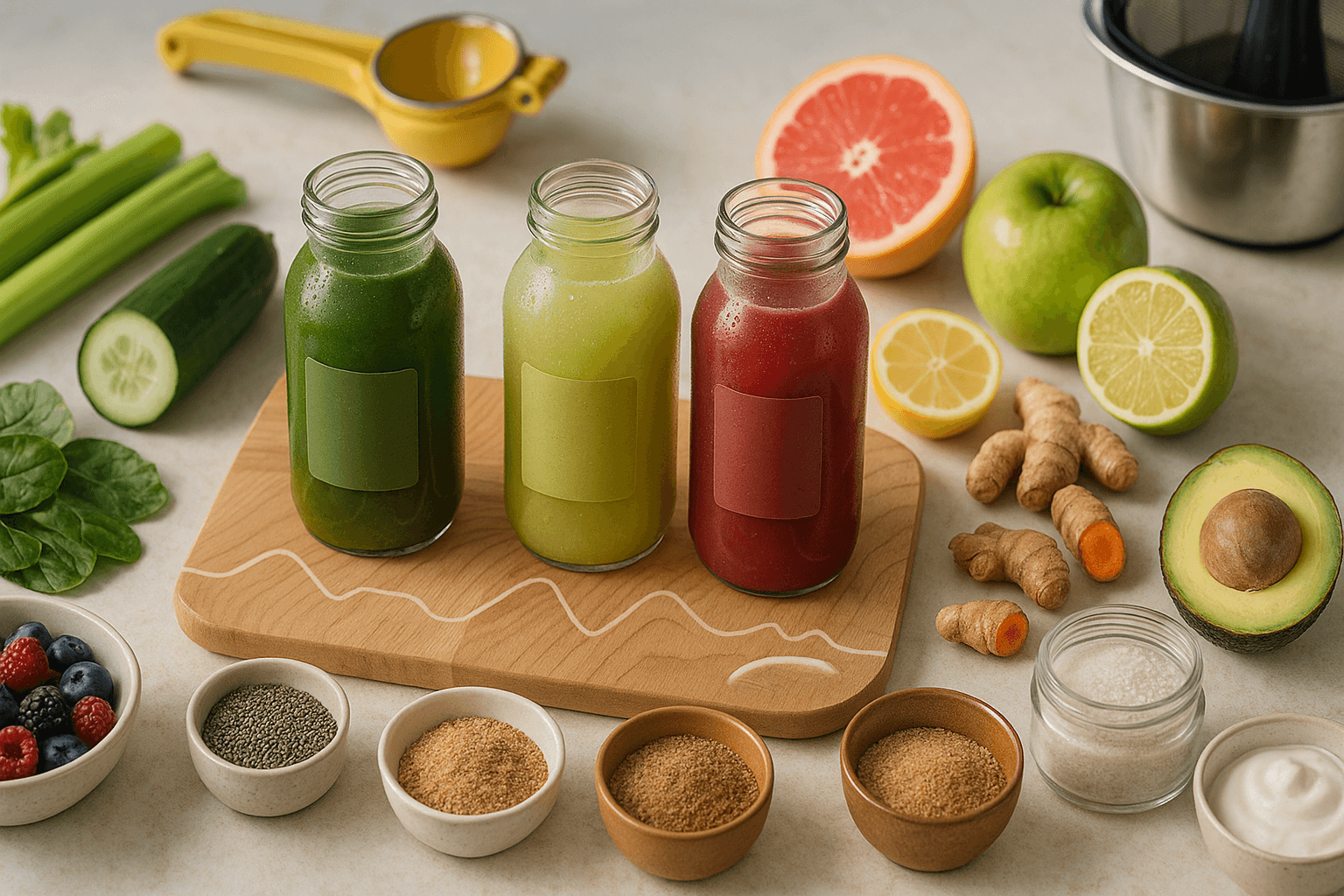
Juicing Recipes for Blood Sugar Balance: Low-Glycemic Juice Combos + Fiber Hacks That Actually Fill You Up
Juicing can feel like a shortcut to “healthy”—a fast way to drink a rainbow of produce without cooking. But if you’ve ever had a big glass of fruit-forward juice and then felt hungry (or shaky) an hour later, you’ve already met the downside: juice can deliver a lot of sugar quickly, with little fiber to slow it down.
The good news is you don’t have to give up juicing to support steadier energy and more stable blood sugar. You just need to build your juices differently—think vegetable-forward, acid + spice for flavor, and smart add-ins that increase satiety.
This article is designed for home cooks and food enthusiasts who want practical, realistic strategies:
- How blood sugar responds to juice (in plain language)
- What makes a juice “low-glycemic” in practice (even though juices don’t have official GI values the way whole foods do)
- Best produce pairings to keep sugar lower and flavor high
- Fiber and healthy-fat hacks that actually make juice feel like a mini-meal
- Timing tips: when and how to drink juice to avoid glucose spikes
- 8 balanced juice formulas you can rotate through the week
Important note: This is general culinary and nutrition education—not medical advice. If you have diabetes, reactive hypoglycemia, are pregnant, or take glucose-lowering medications, it’s wise to talk with a clinician or registered dietitian about how juice fits your needs.
Why juice can spike blood sugar (and why it doesn’t have to)
When you eat whole fruit, you’re getting sugar packaged with fiber, water, and intact cell structure. Chewing also slows intake and helps your gut and brain coordinate fullness.
Juicing changes that equation:
- Fiber is reduced (especially insoluble fiber), because most juicers separate juice from pulp.
- Sugars become “pre-digested” in the sense that they’re easier and faster to absorb.
- Portion sizes creep up. It’s easy to drink the sugar from 3–5 pieces of fruit in one glass.
From a culinary science angle, this is partly about particle size and food matrix. When you break produce down into juice, you reduce the structural barriers that normally slow digestion.
But there’s a flip side: juice can also be a highly efficient delivery system for:
- Polyphenols (from berries, citrus, herbs)
- Nitrates (from leafy greens like arugula)
- Gingerols (ginger), curcuminoids (turmeric)
- Hydration + electrolytes (celery, cucumber, citrus)
The goal isn’t “never juice.” It’s: juice like a cook who understands blood sugar—by lowering the sugar load, slowing absorption, and pairing juice with the right context.
What “low-glycemic juicing” really means
A strict “glycemic index” label doesn’t translate neatly to homemade juice because:
- GI is measured on single foods under lab conditions.
- Your recipe is a mixed matrix.
- Your body’s response changes with sleep, stress, exercise, and what else you ate.
So in the kitchen, think in terms of glycemic impact. A juice is likely to be more blood-sugar-friendly when it:
- Is mostly non-starchy vegetables (cucumber, celery, leafy greens, zucchini, fennel)
- Uses small amounts of fruit mainly for aroma and balance (berries, citrus, green apple)
- Includes acid (lemon/lime/grapefruit) to brighten flavor so you don’t rely on sweetness
- Uses spices and herbs (ginger, turmeric, mint, basil) for complexity and satisfaction
- Gets paired with fiber and/or fat and/or protein—either mixed in (if you’re blending) or taken alongside
A useful home-kitchen ratio:
- 80–90% vegetables
- 10–20% fruit (often just ½ green apple or a small citrus segment)
If you’re new to vegetable-forward juice, start at 70/30 and transition as your palate adapts.
Produce choices: what to emphasize (and what to treat like a “seasoning”)
Go big on these low-sugar, high-volume bases
These add bulk and hydration with minimal sugar:
- Cucumber: mild, watery, great for beginners
- Celery: salty-fresh backbone; pairs well with lemon and ginger
- Romaine: softer flavor than kale, good “starter green”
- Spinach: mild; watch for earthy notes if you use a lot
- Kale: more assertive; balance with citrus and apple
- Zucchini: surprisingly good in blended juices for body
- Fennel: gentle sweetness from aroma, not sugar; adds complexity
- Herbs (mint, basil, parsley, cilantro): huge flavor with tiny sugar
Use these as your “fruit accents”
These help with palatability without flooding the glass with sugar:
- Lemon and lime (very low sugar; big impact)
- Grapefruit (tart; check medication interactions if relevant)
- Green apple (more tart; still sugar, so use ½ or less)
- Berries (lower sugar than many fruits; best in blended formats)
- Pomegranate arils (intense, use as a small accent)
Be cautious with these in juice (easy to overdo)
They’re not “bad,” but they can raise sugar quickly when juiced:
- Pineapple, mango, grapes
- Large amounts of orange juice
- Multiple bananas (usually blended rather than juiced)
- Beets and carrots in large amounts (nutritious, but sweeter—treat as a flavor tool)
Culinary trick: If your juice tastes “too green,” don’t immediately add more fruit. Try:
- More lemon/lime
- A slice of ginger
- A pinch of salt (yes—tiny amounts can round bitterness)
- Fresh mint or basil
These make juice taste more complete without increasing sugar.
Fiber hacks that actually work (even if you’re using a juicer)
Let’s be honest: classic juicing removes a lot of the fiber that helps with fullness and glucose moderation. So if you want your juice to be more “blood sugar balanced,” you have three options:
- Switch some juices to blended juices (a.k.a. “smoothie-juice”): you keep the fiber.
- Use the pulp (in creative ways).
- Add back fiber strategically.
Option 1: Blend (or blend the juice back with pulp)
If you have a blender, the easiest improvement is:
- Juice your produce, then blend the juice with a scoop of pulp, chia, or ground flax.
This keeps the fresh flavor of juice but restores texture and slows drinking speed.
Option 2: Don’t waste the pulp (and get fiber later)
Juicer pulp is mostly insoluble fiber and residual phytonutrients. It’s bland but useful:
- Stir into oatmeal or overnight oats
- Fold into muffins or quick breads (zucchini/carrot-style)
- Add to soups and stews for body
- Mix into meatballs or veggie burgers
Even if you drink pulp-free juice, using pulp later in the day can support overall fiber intake.
Option 3: Add back fiber (the smart way)
A few add-ins can dramatically change satiety, but you need to use them correctly.
Chia seeds (best for “gel” fullness):
- Use: 1–2 tsp per 12–16 oz
- How: Stir in and let sit 10 minutes (or blend)
- Effect: thickens, slows drinking, adds soluble fiber
Ground flaxseed (easy, subtle):
- Use: 1 tbsp per 12–16 oz
- How: Blend in; it won’t dissolve in clear juice
- Effect: adds fiber and some healthy fats; mild nutty flavor
Psyllium husk (powerful—start small):
- Use: ½–1 tsp to start
- How: Whisk into juice and drink promptly; it thickens fast
- Notes: Drink extra water; can interfere with medication timing (separate by 2 hours)
Oat beta-glucan (gentle, good texture):
- Use: 1–2 tbsp oat bran or quick oats
- How: Blend; turns juice into a more filling drink
Okra (surprisingly effective):
- Use: 1–3 pods in blended green juices
- Effect: adds “slick” soluble fiber; common in various culinary traditions for thickening
If you want “juice” to remain juice-like, use chia (light amount) or drink your clear juice alongside a fiber-rich snack (ideas below).
Healthy fats + protein: the missing piece for staying full
Fiber helps, but fat and protein are often what turn juice from “a sweet drink” into “a balanced mini-meal.” This is especially important if you drink juice for breakfast.
Because fats don’t juice well, you have two approaches:
Add fat/protein via blending
Blend your juice with:
- Avocado (¼ to ½): creamy, neutral, very filling
- Plain Greek yogurt or kefir: tangy + protein (great with berries)
- Silken tofu: neutral protein, makes a velvety texture
- Nut butter (1 tbsp): pairs well with apple-cinnamon profiles
Pair your juice with a small snack (no blender needed)
Drink your juice, then eat one of these within 10–20 minutes:
- A handful of nuts + a few berries
- Hard-boiled egg + cucumber slices
- Cottage cheese with cinnamon
- Edamame with flaky salt
- Chia pudding cup
- Toast with avocado (if your juice is mostly greens)
This “pairing” approach is simple and often more satisfying than trying to force fat into a clear juice.
Timing tips: when to drink juice for steadier energy
1) Don’t drink juice on an empty stomach if you’re spike-prone
If you notice energy crashes after juice, try having it:
- With breakfast, not as breakfast
- After a savory meal (protein/fat already present)
- As a mid-morning or afternoon add-on, paired with a protein snack
2) Consider pre-activity juice
Some people tolerate juice best:
- Before a walk, workout, or active errands
Muscles can use glucose more effectively during/after activity, which may reduce the “spike then crash” feeling.
3) Sip slower, serve smaller
Speed matters. A 16 oz juice in 2 minutes hits differently than 8–10 oz sipped over 10–15 minutes.
A practical target for blood sugar balance:
- 8–12 oz serving
- Drink with intention, not as a thirst-quencher
4) Chill and add acid for satisfaction
Cold temperature and tartness increase perceived refreshment, so you’re less likely to chase sweetness.
- Serve over ice
- Add lemon/lime
- Add a pinch of salt (tiny) to round bitterness
Equipment notes: juicer vs blender (and how to make either work)
If you use a juicer
Pros: bright flavor, fast, refreshing.
Blood-sugar-friendly strategies:
- Keep fruit minimal
- Use lemon/lime + ginger for “pop”
- Make smaller servings
- Pair with protein/fat
- Consider blending in chia/flax if you don’t mind texture
If you use a blender
Pros: keeps fiber, naturally more filling.
Strategies:
- Use extra water/ice to keep it “juice-like”
- Strain only if needed (and then consider adding chia to what remains)
A helpful middle ground is “blended juice”: juice your greens for brightness, then blend with cucumber, herbs, and chia for body.
8 balanced juice formulas (low-sugar, high-flavor)
Each formula includes:
- A low-glycemic base (mostly vegetables)
- A small fruit/acid component
- Optional fiber/fat add-ins
- A flavor profile so you can improvise
Serving size: These are generally designed for 1 large (12–16 oz) or 2 small servings depending on your produce size.
If you’re using a juicer and want to add fiber/fat: juice first, then blend the finished juice with the add-ins (or stir in chia/psyllium and let thicken).
1) Cucumber–Celery Citrus Green (the “starter” low-sugar juice)
Flavor: clean, bright, lightly salty
Ingredients
- 1 large cucumber
- 4 celery stalks
- 1–2 cups romaine
- ½ lemon, peeled
- ½ inch ginger (optional)
- Pinch of salt (optional, enhances flavor)
Fiber hack (optional): 1 tsp chia, stirred in and rested 10 minutes.
Why it works: Cucumber and celery create volume with minimal sugar; lemon and ginger bring complexity so you don’t need fruit.
2) Kale–Lime Green Apple Zing (for people who think they “hate” kale)
Flavor: tart, zippy, lightly sweet
Ingredients
- 2 cups kale (stems removed if very fibrous)
- 1 cucumber
- 2 celery stalks
- ½ green apple
- 1 lime, peeled
- ½–1 inch ginger
Add-in (blend): 1 tbsp ground flax.
Why it works: The apple is a seasoning, not the base. Lime + ginger reduce the perception of bitterness.
3) Grapefruit–Mint “Salad Juice” (refreshing and surprisingly filling)
Flavor: juicy, bitter-tart, aromatic
Ingredients
- ½ grapefruit, peeled (or ¼ if you’re sensitive to tartness)
- 1 cucumber
- 2 cups spinach
- 6–10 mint leaves
- 2 celery stalks
- ½ lemon, peeled
Pairing tip: Drink with a handful of pistachios or an egg.
Why it works: Grapefruit offers strong flavor with less reliance on sweetness; mint makes it feel like a composed drink, not “health punishment.”
4) Tomato–Celery–Lemon “Garden Gazpacho” Juice (savory option)
Flavor: savory, bright, satisfying
Ingredients
- 2 medium tomatoes
- 3 celery stalks
- ½ cucumber
- ½ lemon, peeled
- Small handful parsley or basil
- Pinch black pepper (stir in after)
- Tiny pinch salt (optional)
Optional boost: 1 tbsp extra-virgin olive oil (blend in) to make it more meal-like.
Why it works: Savory profiles reduce the “juice = sweet” expectation. Tomato adds umami and body with relatively modest sugar.
Cultural note: This nods to gazpacho’s Spanish tradition—vegetables, acid, salt, and olive oil for a balanced, satisfying cold soup.
5) Berry–Lemon Greens (best as a blended juice)
Flavor: berry-bright, lightly tangy, not dessert-sweet
Ingredients (blender recommended)
- 1 cup water or unsweetened almond milk
- 1 cup spinach
- ½ cup mixed berries (fresh or frozen)
- ½ lemon (juice)
- 1 tbsp chia seeds
- Ice as needed
Optional protein: ½ cup plain Greek yogurt or ½ cup kefir.
Why it works: Berries bring color and polyphenols with less sugar than many fruits; chia and yogurt add staying power.
6) Carrot–Turmeric Citrus (small and potent)
Flavor: warm, golden, citrusy
Ingredients
- 2 medium carrots
- 1 orange or ½ orange + ½ lemon (to reduce sugar)
- ½ inch turmeric root (or ¼ tsp ground, blended in)
- ½ inch ginger
- 1–2 celery stalks (to lower overall sugar and add volume)
Fat helper (recommended): Blend with 1 tsp–1 tbsp olive oil or ¼ avocado.
Why it works: Carrot juice can run sweet; celery + lemon keeps it grounded. Turmeric is better utilized in the presence of fat (and black pepper can enhance perceived warmth).
7) Beet “Accent” Citrus Greens (balanced, not candy-sweet)
Flavor: earthy-sweet, tart, deep
Ingredients
- ¼–½ small beet (start with ¼)
- 1 cucumber
- 2 cups romaine or spinach
- 2 celery stalks
- ½ lemon, peeled
- ½ green apple (optional)
Fiber add-in: 1 tbsp ground flax (blend in).
Why it works: Beets are flavorful and nutrient-dense but can push sweetness quickly when used as a base. Keeping beet as an accent gives you color and taste without a sugar rush.
8) Fennel–Cucumber–Herb Lemonade (no fruit needed)
Flavor: aromatic, lightly sweet from fennel’s perfume, very refreshing
Ingredients
- 1 fennel bulb (fronds included if you like)
- 1 large cucumber
- 2 celery stalks
- ½–1 lemon, peeled
- Small handful basil or dill
Optional “fullness” trick: Stir in ½ tsp psyllium husk and drink promptly, then follow with water.
Why it works: Fennel tastes sweet because of its aromatic compounds (like anise), not because it’s sugar-heavy. This is a great example of using flavor science to reduce reliance on fruit.
How to build your own low-glycemic juice (a simple framework)
Use this “formula” to invent new combos:
- Base (choose 2–3): cucumber, celery, romaine/spinach, zucchini, fennel
- Green (choose 1): spinach (mild), kale (bold), arugula (peppery)
- Acid (choose 1): lemon, lime, grapefruit
- Punch (choose 1): ginger, turmeric, mint, basil, parsley
- Sweet (optional): ¼–½ green apple or a handful of berries
- Satiety (choose 1): chia, flax, psyllium (small), avocado, yogurt, tofu
If your juice tastes flat, troubleshoot like a chef:
- Flat → add acid (lemon/lime)
- Too bitter → add salt pinch or more cucumber
- Too grassy → add ginger or mint
- Too sweet → dilute with water/ice or add more greens/celery
Practical prep tips for busy home kitchens
Wash and batch-prep “juice kits”
A realistic way to juice more often without thinking:
- Prep 3–4 zip bags or containers, each with:
- cucumber chunks
- celery pieces
- a handful of greens
- a lemon/lime wedge (peeled if needed)
- a small knob of ginger
Store greens with a paper towel to manage moisture.
Choose produce that juices efficiently
Some produce can be expensive to juice because you need a lot for little yield (berries, leafy greens). Balance them with high-yield bases like cucumber and celery.
Keep a “flavor rescue” station
Have these on hand:
- Lemons/limes
- Fresh ginger
- Mint/basil
- Cinnamon (for apple-forward blends)
- Salt (tiny pinch goes far)
This helps you make vegetable-forward juice taste craveable.
Common mistakes (and quick fixes)
-
Mistake: Making juice mostly fruit
- Fix: Switch to 80–90% vegetables; keep fruit to ½ apple or a small handful of berries.
-
Mistake: Drinking a giant glass fast
- Fix: Pour 8–12 oz, sip slower, serve over ice.
-
Mistake: Using juice as a meal replacement with no protein/fat
- Fix: Pair with eggs, yogurt, nuts, tofu, or avocado.
-
Mistake: Trying to “hide” greens with more sweetness
- Fix: Use acid (lemon/lime), herbs, ginger, and a pinch of salt to balance bitterness.
-
Mistake: Expecting juice to keep you full like a bowl of food
- Fix: Treat juice as a component of your eating pattern—hydration + micronutrients—then build satiety with fiber/protein.
A note on expert consensus (what the evidence generally supports)
Mainstream nutrition guidance often emphasizes whole fruits and vegetables over juice because fiber matters for satiety and glycemic response. Organizations like the American Diabetes Association commonly recommend prioritizing whole produce and being cautious with fruit juice for blood sugar management.
At the same time, research on dietary patterns repeatedly supports higher intake of vegetables, and juice can help some people increase micronutrients—if it’s not becoming a high-sugar beverage.
In practice, the most “evidence-aligned” approach for blood sugar balance tends to look like:
- Juice that’s vegetable-forward
- Served in moderate portions
- Paired with protein/fat/fiber
- Within an overall diet rich in whole foods
Putting it all together: your steady-energy juicing routine
If you want a simple weekly plan:
- 3–4 days/week: Choose one of the very-low-fruit green juices (Recipes 1, 2, 8)
- 1–2 days/week: Add a savory option (Recipe 4) or a small golden juice (Recipe 6)
- 1–2 days/week: Use a blended berry-green (Recipe 5) as a snack with protein
And keep this mantra:
Vegetables for volume. Citrus for brightness. Fruit as a garnish. Fiber/fat/protein for staying power.
With those levers, juicing stops being a sugar rush and becomes what it should be: a refreshing, flavorful way to drink more plants—without feeling hungry 30 minutes later.