Keto Dinner Recipes That Actually Satisfy: The “Protein + Vegetable + Fat Sauce” Template, Carb-Creep Traps, and 7 Freezer-Friendly Builds
RecipeSimpli
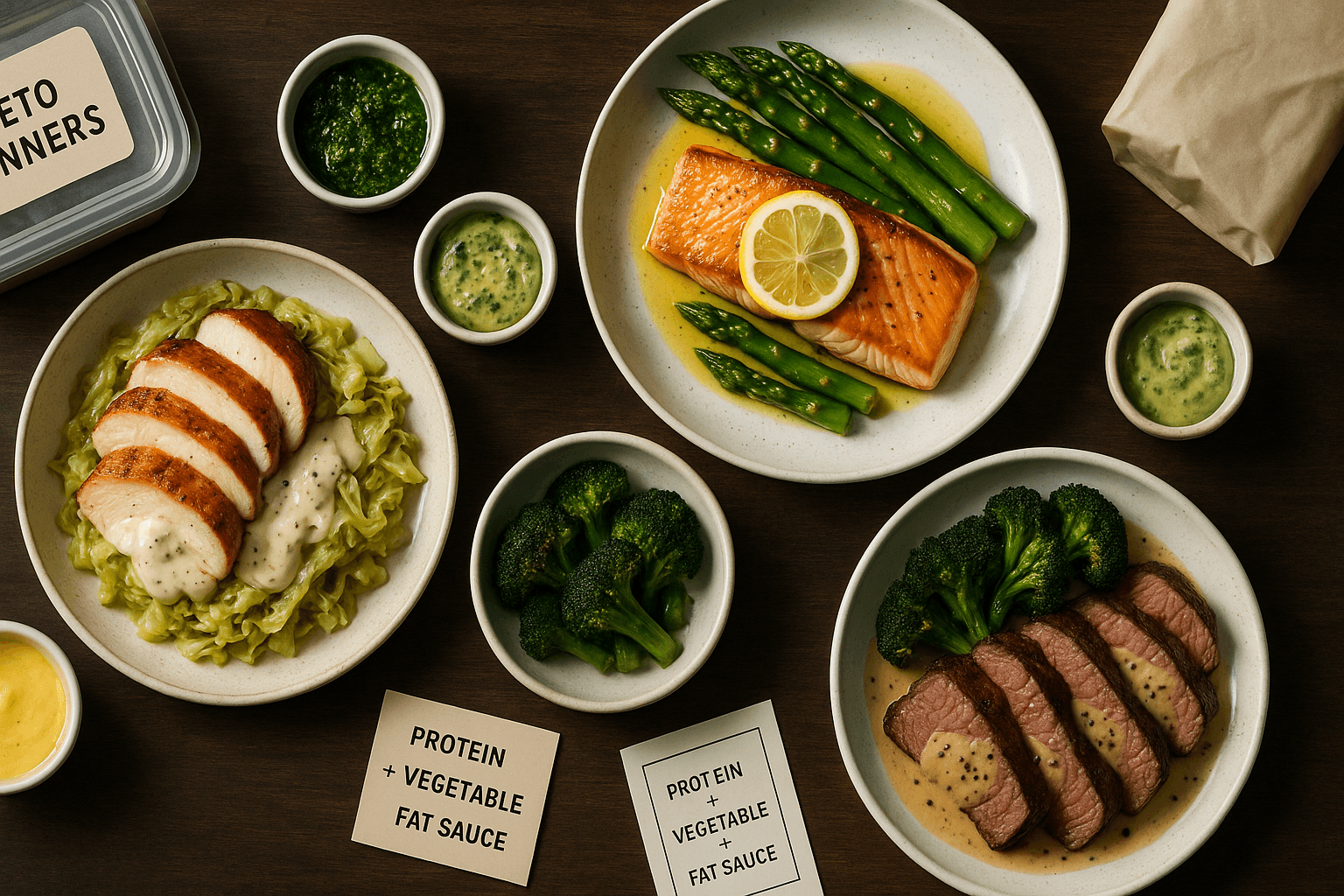
The problem with most keto dinners: they’re technically low-carb, but not actually satisfying
A lot of “keto dinner” ideas fail for a simple reason: they treat carbs as the only lever. You remove rice, pasta, and bread, and what’s left is often a lonely protein and a sad pile of steamed vegetables. That can fit macros, but it doesn’t reliably deliver the three things that make dinner feel like dinner:
- Protein for satiety and structure.
- Vegetable texture for volume, freshness, and contrast.
- A fat-based sauce for richness, aroma, and the “restaurant finish” that keeps you from hunting the pantry later.
When people say keto feels restrictive, they’re often missing sauce (or using the wrong sauces), under-seasoning vegetables, or accidentally letting “carb creep” sneak in through condiments and packaged shortcuts.
This article gives you a system you can repeat on weeknights:
- Pick a protein you can cook well.
- Choose vegetables you can make delicious with heat and texture.
- Finish with a fat sauce that ties everything together.
Then we’ll cover the carb-creep traps that derail otherwise keto meals, portion guidance, and seven freezer-friendly builds you can prep ahead.
Important note: Keto targets vary by person (common ranges are ~20–50g net carbs/day). Always adjust to your needs, and if you’re managing a medical condition, consult a qualified clinician.
The template: Protein + Vegetable + Fat Sauce
Think of this like a modular dinner blueprint. You can mix and match components based on what’s in the fridge, what’s on sale, or what you can batch-cook.
1) Protein: choose something you can reliably cook in 20 minutes
Protein is the anchor. For keto dinners, fattier cuts can be more forgiving and satisfying, but lean proteins work well if your sauce brings the fat.
Great weeknight proteins (keto-friendly):
- Chicken thighs (skin-on or boneless): forgiving, flavorful.
- Pork chops or pork shoulder steaks: quick sear, great with creamy sauces.
- Salmon or other fatty fish: fast and satisfying.
- Ground beef / turkey / pork: adaptable to bowls, skillet meals, lettuce wraps.
- Steak (flank, sirloin, ribeye): quick sear; slice against the grain.
- Shrimp: ultra-fast, great with garlic butter.
- Eggs: frittatas, shakshuka-style (watch tomato/sugar), or egg-based bowls.
- Tofu (for lower-carb vegetarian): pan-sear and sauce aggressively.
Culinary science tip: Satisfying proteins usually need two things: browning and proper salting. Browning (the Maillard reaction) creates savory depth; salt helps proteins retain moisture and taste “complete.” Dry your protein surface before searing, preheat your pan, and don’t crowd it.
2) Vegetables: cook for texture, not just “health”
On keto, vegetables aren’t a garnish—they’re the volume and contrast that prevent meals from feeling heavy or repetitive.
Go-to keto vegetables (generally lower net carbs):
- Crucifers: broccoli, cauliflower, cabbage, Brussels sprouts
- Tender greens: spinach, kale, Swiss chard
- Others: zucchini, asparagus, mushrooms, green beans, peppers (peppers are a bit higher—portion matters)
Texture techniques that make vegetables craveable:
- High-heat roasting (425°F / 220°C): caramelized edges, concentrated flavor.
- Hard sauté in a wide pan: moisture evaporates; you get browning instead of steaming.
- Blanch + shock (for green beans/asparagus): keeps them crisp and bright.
- Char (cast iron or grill pan): adds smokiness and bitterness balance.
Rule of thumb: If your vegetables look pale and wet, they’ll taste pale and wet. Use enough heat, enough space, and enough salt.
3) Fat sauce: the finish that makes keto feel abundant
Sauce is where keto dinners become satisfying rather than merely compliant. Fat carries aroma compounds, rounds sharp flavors, and creates the “cling” that makes vegetables and proteins feel cohesive.
Core keto-friendly sauce families:
- Butter sauces: lemon-butter, brown butter, garlic butter, compound butters.
- Cream sauces: pan sauce with cream, cream cheese, mascarpone, or crème fraîche.
- Emulsions: mayonnaise-based sauces, aioli, hollandaise, béarnaise.
- Oil-based herb sauces: chimichurri, pesto (watch nuts/cheese portions), salsa verde.
- Coconut-based: coconut cream curry sauce (watch store-bought curry pastes for sugar).
Sauce method that works with almost any protein:
- Sear protein; remove to rest.
- Pour off excess fat if needed (keep 1–2 tbsp).
- Add aromatics (garlic/shallot) briefly.
- Deglaze with a low-carb liquid (stock, dry wine, lemon).
- Reduce, then whisk in butter or cream.
- Taste for salt + acid.
Acid (lemon, vinegar) is crucial: it keeps rich keto meals from feeling greasy.
Carb creep: the hidden carbs that sabotage keto dinners
Many “keto” dinners go off track not because of the protein or vegetables—but because of the extras. Here’s a practical checklist you can keep in your head while cooking.
Carb-creep checklist (scan these every time)
1) Sauces and condiments
- BBQ sauce, teriyaki, sweet chili sauce
- Bottled salad dressings (often sugar added)
- Ketchup (even small amounts add up)
- “Honey mustard,” sweet relish
Better swaps: sugar-free ketchup (still check labels), mustard, hot sauce, full-fat ranch/blue cheese (label check), mayo + vinegar + herbs, soy sauce/tamari (watch serving sizes).
2) Aromatics that are fine—until they’re not
- Onions and shallots: keto-friendly in small amounts, but large portions can add carbs.
- Garlic: usually fine in typical cooking quantities.
Tip: Use onions like seasoning, not as the bulk of a stir-fry.
3) Dairy traps
- Flavored yogurts, sweetened creamers
- Low-fat dairy (often less satisfying; sometimes more additives)
- Pre-shredded cheese (anti-caking agents; not a carb bomb but can affect melting)
4) Nuts and “keto snacks” Nuts are calorie-dense and can add carbs quickly—especially cashews. If your dinner relies on “keto snack foods,” you can overshoot calories without feeling properly fed.
5) Vegetables that are higher-carb
- Potatoes, sweet potatoes, corn, peas
- Most legumes (beans, lentils)
- Large servings of carrots or beets
You don’t need to fear these foods universally—but they’re not typically keto staples.
6) The restaurant trap: hidden flour and sugar
- Sauces thickened with flour or cornstarch
- Glazes and reductions containing sugar
- “Blackened” seasoning mixes with sugar
Thickening alternatives:
- Reduce longer (classic French pan sauce approach)
- Add cream cheese
- Add a small amount of xanthan gum (start with 1/8 tsp; it’s powerful)
- Use pureed cauliflower as a body builder
Portion guidance: a practical plate model (no food scale required)
If you’re doing keto for macros, you may already track. If you aren’t, you still need a reliable way to build plates that satisfy without guesswork.
A simple keto dinner plate
- Protein: 5–8 oz cooked (about the size of your palm to two palms, depending on appetite/activity)
- Vegetables: 2–3 cups (more if they’re leafy greens)
- Fat sauce: 2–4 tbsp (or enough to coat and make the vegetables feel “finished”)
This tends to produce meals that feel abundant while keeping carbs mostly tied to vegetables.
Satiety levers (when dinner doesn’t “stick”)
If you’re hungry an hour after dinner, adjust one lever at a time:
- Increase protein first (often the cleanest fix).
- Add more vegetables cooked with high heat for better texture.
- Add a bit more sauce, but keep an eye on calories if weight loss is a goal.
- Add acid and salt—sometimes “hunger” is actually sensory dissatisfaction.
Weeknight execution: the 25-minute workflow
This workflow is designed to minimize decision fatigue.
- Start the vegetables first if roasting (they take longest).
- While vegetables cook, sear the protein.
- Remove protein to rest.
- Make a pan sauce in the same pan.
- Toss vegetables with a spoon of sauce or finish them with butter/herbs.
The “one-pan + one-sheet” strategy
- Sheet pan: vegetables (and sometimes sausages or chicken thighs)
- Skillet: protein + sauce
This keeps cleanup manageable and results consistent.
The fat-sauce starter kit (so you can improvise)
Keep a small set of ingredients that unlock dozens of sauces.
In the fridge:
- Butter
- Heavy cream (or coconut cream)
- Mayonnaise (avocado oil or olive oil-based if you prefer)
- Dijon mustard
- Lemon
- Parmesan or pecorino
In the pantry:
- Olive oil
- Vinegars (red wine, apple cider)
- Capers or olives
- Anchovies (optional but powerful)
- Spices: smoked paprika, cumin, chili flakes
In the freezer:
- Frozen herbs (or herb cubes)
- Frozen spinach
- Pre-portioned cooked proteins
7 freezer-friendly keto dinner builds (with the template baked in)
These are designed so that components freeze well and reheat without turning watery or rubbery. Each build includes:
- What to cook now
- How to freeze
- How to reheat
- How to serve (protein + veg + fat sauce)
Freezer note: Cream-based sauces can sometimes split when reheated aggressively. The fix is gentle reheating and whisking, or freezing sauce separately and finishing fresh.
1) Lemon-Garlic Chicken Thighs + Roasted Broccoli + Butter Pan Sauce
Why it satisfies: crispy-ish chicken skin (or browned meat), charred broccoli edges, and a bright butter sauce.
Cook now
- Season chicken thighs with salt, pepper, garlic powder, and lemon zest.
- Sear skin-side down until deep golden; finish in oven or covered pan until cooked.
- Roast broccoli at high heat with olive oil and salt.
- Pan sauce: deglaze chicken pan with a splash of stock + lemon juice; reduce; whisk in butter.
Freeze
- Freeze chicken and broccoli in separate containers if possible (broccoli stays better).
- Freeze sauce in small silicone cubes or a separate container.
Reheat
- Chicken: 325°F oven until hot, or skillet with lid.
- Broccoli: oven/air fryer for edge-crisping.
- Sauce: warm gently; whisk.
Serve
- Chicken + broccoli, spoon sauce over both; finish with parsley.
2) Beef Taco Skillet (No Beans) + Sautéed Peppers + Chipotle Lime Crema
Why it satisfies: taco flavor without tortillas; crema adds fat and cool contrast.
Cook now
- Brown ground beef with salt.
- Add spices (chili powder, cumin, smoked paprika), a little tomato paste (small amount), and a splash of stock.
- Sauté sliced peppers separately for better texture (don’t stew them).
- Crema: sour cream + lime + chipotle in adobo (small amount) + salt.
Freeze
- Freeze beef mixture and peppers in separate bags laid flat.
- Freeze crema separately (or make fresh; dairy emulsions can change texture after freezing).
Reheat
- Beef and peppers: skillet until hot.
Serve
- Bowl it with shredded lettuce or cabbage; add crema; top with cheddar, cilantro, and pickled jalapeños.
Carb-creep watch: premade taco seasoning often contains sugar or starch—check labels.
3) Salmon Cakes (Almond Flour) + Garlicky Green Beans + Dill Mayo
Why it satisfies: crispy exterior, tender interior, and a punchy mayo sauce.
Cook now
- Use cooked salmon (leftover baked salmon works) flaked with egg, minced scallion (small amount), Dijon, lemon zest, and a bit of almond flour.
- Pan-fry in oil until golden.
- Blanch green beans, then sauté quickly with garlic and butter.
- Dill mayo: mayo + lemon + dill + salt.
Freeze
- Freeze salmon cakes on a tray, then bag (prevents sticking).
- Freeze green beans blanched (not fully sautéed) for best texture.
- Make dill mayo fresh, or freeze in small portions if you don’t mind slight texture change.
Reheat
- Salmon cakes: oven or air fryer to re-crisp.
- Green beans: quick sauté.
Serve
- Plate salmon cakes, green beans, and dollop dill mayo.
4) Pork Carnitas-Style Shoulder + Charred Cabbage + Avocado Salsa Verde
Why it satisfies: rich shredded pork, cabbage with bite, creamy herbal sauce.
Cook now
- Slow-cook pork shoulder with salt, cumin, oregano, garlic, and orange/lime peel (minimal juice).
- Shred, then crisp portions under broiler or in a skillet.
- Char sliced cabbage in a hot pan with oil and salt.
- Salsa verde: blended herbs (cilantro), jalapeño, lime, olive oil, and avocado.
Freeze
- Freeze shredded pork with a little cooking liquid.
- Freeze cabbage lightly cooked (or freeze raw shredded cabbage and cook fresh—often better).
- Salsa verde is best fresh; you can freeze it, but avocado sauces may brown (still safe; just less pretty).
Reheat
- Pork: skillet to re-crisp.
- Cabbage: hot pan.
Serve
- Pork over cabbage, spoon salsa verde.
Cultural note: Carnitas traditionally includes citrus and slow-cooking fat; the keto-friendly tweak is managing sweet citrus juice quantities and leaning on peel/aroma plus acid at the end.
5) Creamy Tuscan Chicken (No Flour) + Wilted Spinach + Parmesan Sauce
Why it satisfies: creamy, savory, and feels like comfort food without pasta.
Cook now
- Sear chicken cutlets or thighs.
- In the pan: garlic, sun-dried tomatoes (watch sugar; portion small), splash stock.
- Add heavy cream and reduce; stir in parmesan.
- Add spinach to wilt at the end.
Freeze
- Freeze chicken and sauce together (works well).
- If you’re picky about spinach texture, freeze sauce + chicken and add fresh spinach on reheat.
Reheat
- Gentle stovetop heat; add a splash of cream/stock if too thick.
Serve
- Add extra parmesan and black pepper.
Carb-creep watch: some sun-dried tomatoes are packed in sweetened oil; check labels.
6) Garlic Butter Shrimp Packs + Zucchini Ribbons + Pesto Mayo
Why it satisfies: shrimp cooks fast, garlic butter feels luxurious, pesto mayo makes it cling.
Cook now
- Make garlic butter (butter + garlic + chili flakes + lemon).
- Toss raw shrimp in garlic butter; portion into freezer bags.
- Prep zucchini: freeze raw spiralized zucchini if you must, but better is to freeze shrimp packs and cook zucchini fresh.
- Pesto mayo: mayo + pesto + lemon.
Freeze
- Freeze shrimp in seasoned butter (flat bags).
Reheat / cook from frozen
- Thaw overnight, then quick sauté; or cook gently from frozen in a covered pan.
- Cook zucchini ribbons in a hot pan for 1–2 minutes max (avoid watery noodles).
Serve
- Zucchini ribbons topped with shrimp and pesto mayo.
Technique tip: Zucchini releases water; high heat + short cook keeps it from turning mushy.
7) Italian Meatballs + Roasted Cauliflower + Olive Oil “Red” Pan Sauce
Why it satisfies: meatballs feel hearty; cauliflower replaces pasta volume; sauce gives the Italian comfort cue.
Cook now
- Meatballs: ground beef/pork, egg, parmesan, herbs, salt. Use crushed pork rinds or almond flour instead of breadcrumbs.
- Bake meatballs for easy batch cooking.
- Roast cauliflower until well browned.
- Sauce: sauté garlic in olive oil, add crushed tomatoes (watch portion), oregano, and simmer. Finish with butter or olive oil.
Freeze
- Freeze meatballs in portions.
- Freeze roasted cauliflower (it softens but still works in bowls).
- Freeze sauce separately.
Reheat
- Simmer meatballs in sauce gently.
- Re-crisp cauliflower in oven/air fryer.
Serve
- Meatballs + cauliflower, spoon sauce, finish with parmesan and basil.
Carb-creep watch: tomato products vary; choose no-sugar-added crushed tomatoes and keep servings reasonable.
Freezer meal prep: what freezes well (and what doesn’t)
Freezes well
- Cooked meats (especially braises, shredded pork, meatballs)
- Stocky sauces (butter-based, oil-based, tomato-based)
- Roasted cruciferous vegetables (texture softens but remains usable)
- Cauliflower rice (best sautéed quickly after thaw)
Freezes poorly (or needs strategy)
- Cream sauces: may split—freeze separately or reheat gently.
- Watery vegetables (zucchini noodles, cucumber): cook fresh.
- Leafy greens: can get stringy—add fresh at reheat when possible.
Packaging tips that prevent freezer disappointment
- Freeze flat in bags for fast thawing.
- Label with date + sauce + reheat method.
- Keep sauce in small portions (ice cube trays or small containers) so you can scale richness.
- Remove as much air as possible to reduce freezer burn.
Reheating rules (so it tastes like dinner, not leftovers)
- Re-crisp: oven/air fryer for proteins and roasted veg.
- Re-emulsify: gentle heat + whisk for creamy sauces.
- Re-brighten: finish with lemon, vinegar, herbs, or a pinch of flaky salt.
That last step—adding acid and freshness—is what separates “meal prep” from “still excited to eat this.”
A quick sauce playbook (mix-and-match)
Use these to prevent boredom. Each makes enough for 2–4 servings.
Dill-Lemon Mayo
- 1/2 cup mayo
- 1–2 tbsp lemon juice
- 1–2 tbsp chopped dill (or 1 tsp dried)
- Salt, pepper
Great with salmon, chicken, green beans.
Mustard Cream Pan Sauce
- 1/2 cup heavy cream
- 1–2 tsp Dijon
- Splash stock
- Black pepper, salt
Great with pork chops, chicken, mushrooms.
Chimichurri (Oil + Herb Sauce)
- 1/2 cup olive oil
- Parsley, oregano
- Garlic, chili flakes
- Red wine vinegar, salt
Great with steak, shrimp, roasted cauliflower.
Brown Butter Sage
- 4 tbsp butter
- Sage leaves
- Pinch salt + lemon zest
Great with chicken, pork, cauliflower mash.
Putting it all together: a week of keto dinners without burnout
If you want this to be sustainable, don’t hunt for seven unrelated recipes. Build a small rotation around the template.
Example: one grocery list, many dinners
Proteins: chicken thighs, ground beef, salmon, pork shoulder
Vegetables: broccoli, cabbage, spinach, cauliflower, green beans
Fats/sauces: butter, mayo, heavy cream, olive oil, lemons, parmesan
From that single set, you can produce:
- Lemon-butter chicken + broccoli
- Taco beef bowls over cabbage + crema
- Salmon + green beans + dill mayo
- Carnitas + charred cabbage + salsa verde
- Creamy chicken + spinach + parmesan
- Meatballs + cauliflower + olive oil tomato sauce
The secret isn’t constant novelty—it’s recombination.
Final notes: the satisfying keto dinner is a technique, not a restriction
A good keto dinner doesn’t have to imitate pasta or bread to feel complete. When you consistently hit the template—protein for structure, vegetables for texture and volume, and a fat sauce for cohesion and satisfaction—your meals become repeatable, flexible, and genuinely enjoyable.
Keep one eye on carb creep (especially bottled sauces), cook vegetables with intention, and treat sauce as a core component rather than an afterthought. Do that, and weeknight keto can feel less like a rulebook—and more like a delicious cooking style.