Why Artichokes Turn Fuzzy, Sweet, or Metallic: Polyphenol Oxidation, Inulin Breakdown, and the Acid‑Steam Rules for Better Braises, Dips, and Roasts
RecipeSimpli
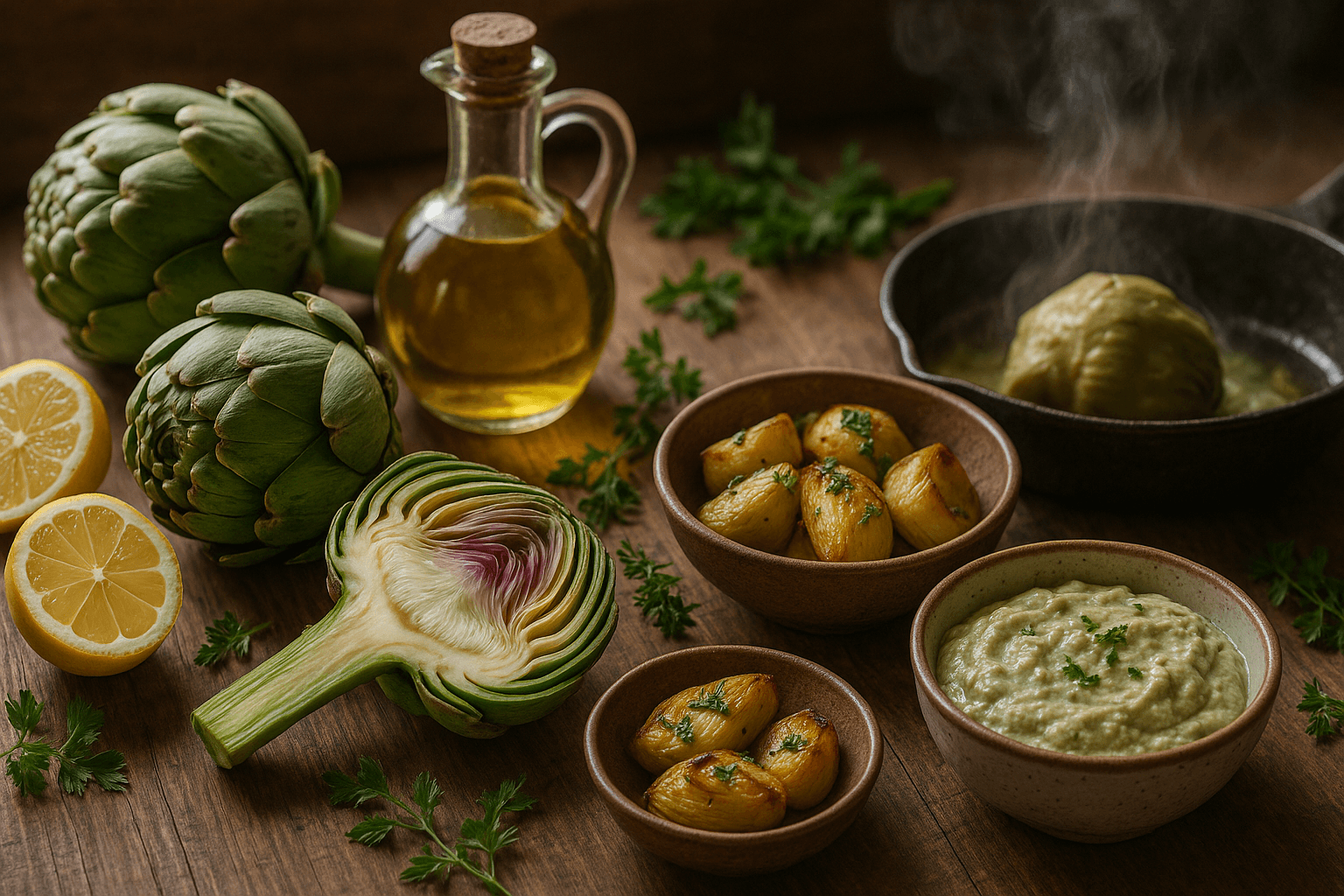
If you have ever trimmed an artichoke only to watch the cut edges tan within minutes, pulled away leaves and found a strangely fibrous fuzz in the center, or tasted one batch that seemed almost nutty-sweet while another leaned bitter or oddly metallic, you have met the artichoke on its own terms. Artichokes are one of those vegetables that feel half ingredient, half puzzle. They reward patience with one of the great textures in cooking—silky hearts, tender leaf bases, custardy interiors—but they also demand some understanding. A little science goes a long way here.
The good news is that most of artichoke’s quirks are predictable. Browning comes from polyphenol oxidation. Surprising sweetness often comes from the behavior of inulin and other carbohydrates during cooking and cooling. The dreaded choke is not a sign of spoilage but a botanical structure that changes with maturity. Metallic flavors can come from reactive cookware, over-concentrated phenolic compounds, mineral-heavy water, or an acid balance that is slightly off. And perhaps most important for home cooks: artichokes become much better when you understand the relationship between moisture, acidity, trimming, and fat.
This is the central rule: artichokes like moist heat first, and they like acid used with some care. Steam and braise them to tenderness before asking them to brown deeply. Keep cut surfaces away from oxygen or acidulate them lightly. Trim enough to remove what will never become tender, but not so aggressively that you waste the edible base of the leaves and stem. Then use fat—olive oil, butter, cream, aioli, tahini, or cheese—not to hide their flavor, but to soften their tannic edges and carry their aroma.
Once you know those rules, artichokes stop being intimidating and start becoming versatile. Whole steamed artichokes with vinaigrette. Roman-style braises with mint and garlic. Roasted hearts that crisp at the edges. Silky dips that taste more like artichoke than mayonnaise. Even pantry shortcuts like frozen or canned hearts become easier to judge and improve.
Artichokes in the kitchen: a little history and context
The globe artichoke is the immature flower bud of a thistle, Cynara cardunculus var. scolymus. If left to keep growing, those tightly layered leaves—technically bracts—open into a dramatic purple bloom. What we eat is the flower bud before it reaches that stage: the fleshy base of the leaves, the receptacle we call the heart, and often the peeled stem, which is one of the sweetest and most underrated parts.
Artichokes have deep roots in Mediterranean cooking, especially in Italy, Spain, southern France, Greece, and parts of North Africa. Their seasonality shaped regional techniques. In Rome, artichokes are famously prepared alla romana—braised with herbs, olive oil, and water until soft—or alla giudia, flattened and fried. In Spain they are grilled, braised, or tucked into rice dishes. In France they appear in vinaigrettes, barigoule-style braises, and cream-based preparations. Across these traditions, the common logic is simple: trim according to maturity, cook until genuinely tender, and pair with ingredients that sharpen or round their bittersweet profile.
That cultural history matters because it helps explain why so many classic methods begin with acidulated water, lemon rubs, or a moist cooking environment. Cooks discovered long before food science could name the mechanisms that artichokes discolor quickly, oxidize easily, and improve with enough moisture to soften their fibrous structure.
Why cut artichokes turn brown
The fast browning on cut artichokes is enzymatic, much like apples, pears, bananas, and potatoes. When you slice into the flesh, you damage cells and allow phenolic compounds to meet oxygen in the presence of polyphenol oxidase enzymes. The result is a cascade that forms brown pigments.
In practical terms, this means three things:
- Oxygen is the trigger.
- Time matters. Freshly cut surfaces darken quickly.
- Acid and cold slow the reaction.
Rubbing cut surfaces with lemon works because lowering surface pH slows the enzyme activity. Holding trimmed artichokes in cold acidulated water—commonly 1 quart water with the juice of 1 lemon, or about 1 tablespoon lemon juice per cup of water for a small batch—helps even more. Some cooks add parsley stems or flour to the soaking liquid, but acid is doing the important work. Flour is unnecessary unless you are following a traditional method where it slightly clouds and coats the surface.
However, acid is not magic. It slows browning; it does not always stop it completely. And too much soaking can wash away some flavor, especially from trimmed hearts and stems. So think of acidulated water as a short-term holding strategy while you finish prep—not an all-day bath.
Best anti-browning setup
For 4 medium globe artichokes:
- Fill a large bowl with 2 quarts cold water
- Add the juice of 2 lemons
- Drop the squeezed lemon halves into the bowl too
- Keep a small paring knife and spoon nearby
- Trim one artichoke at a time and transfer it immediately to the bowl
If you are only halving artichokes and cooking them right away, a lemon rub plus prompt cooking is usually enough.
Why some artichokes taste sweeter after cooking
Artichokes are not sugary in the way carrots or onions can become sugary, but they can taste unexpectedly sweet. Part of this comes from their carbohydrate profile, especially inulin, a storage carbohydrate made of fructose chains. Artichokes, like Jerusalem artichokes and chicory roots, contain notable amounts of inulin.
Inulin itself is not intensely sweet, but cooking, maturity, storage conditions, and digestion-related perception can shift how sweetness is experienced. During heating and holding, some longer fructan chains can break down into shorter fragments and free fructose, which tastes sweeter. This is not usually a dramatic candy-like transformation, but it is enough to make a well-cooked artichoke heart taste rounder, sweeter, and less aggressively vegetal than a raw or undercooked one.
There is also a perception effect. Artichokes contain cynarin and related compounds that can alter taste perception, especially after eating them. Some people notice that water, wine, or other foods taste sweeter after artichokes. This is one reason artichokes can make wine pairing tricky and why some dips or braises seem sweeter than their ingredient list suggests.
What increases perceived sweetness
- Fully cooking the heart and stem until tender
- Gentle braising or steaming rather than drying roast heat alone
- Cooling cooked artichokes slightly before eating, which can change flavor perception
- Pairing with fat, which reduces harsh bitterness and tannin
- Using younger artichokes or well-handled fresh specimens
What reduces sweetness or masks it
- Undercooking, which leaves harsh fibrousness and bitterness
- Excessive oxidation after trimming
- Too much iron-like or metallic flavor from cookware or water
- Old artichokes with dried leaves and woody interiors
The truth about the fuzzy choke
The “choke” is the immature flower structure at the center of the artichoke above the heart. In younger or very small artichokes, it may be underdeveloped enough to eat after cooking. In larger mature globe artichokes, it becomes fibrous, fluffy, and unpleasant. That fuzzy center is not dangerous, but it is not enjoyable. It can feel dry, hairy, and stubbornly insoluble in the mouth.
The key point is that the choke is a maturity issue, not a cooking mistake. Cooking will not dissolve a fully developed choke into silk. Moist heat softens the surrounding edible tissues, but the mature choke still needs to be scraped away.
When to remove the choke
- Whole steamed artichokes: Remove after cooking. It is easier to access once the leaves open and the center softens.
- Halved or quartered artichokes for braising or roasting: Remove before cooking with a spoon, melon baller, or paring knife.
- Baby artichokes: Often no true developed choke is present, so you can trim and cook them whole or halved.
If you have ever served a dip made from poorly cleaned artichoke hearts and noticed little fibrous threads, that is often incomplete choke removal rather than stringy cheese or overcooked spinach.
Why artichokes can taste metallic
A metallic note in artichokes usually comes from one or more of four causes.
1. Reactive cookware
Aluminum, cast iron, or poorly lined metal can react with acidic cooking liquids and plant phenolics. Artichokes are especially good at exposing this issue because they bring both acids and tannic compounds to the pot. The result can be gray discoloration, darkened cooking liquid, and a metallic edge on the palate.
Best choice: stainless steel, well-enameled cast iron, glass, or nonreactive anodized cookware.
2. Over-oxidation and concentrated phenolics
If cut artichokes sit exposed too long, oxidation products build up and the flavor gets muddier, flatter, and occasionally metallic-bitter. This is especially noticeable in dips, purees, and braises where all the flavor is concentrated.
3. Water chemistry
Hard water or water with noticeable mineral character can subtly affect flavor. Usually this is minor, but in a simple steamed artichoke where the ingredient list is short, it can show up. If your tap water tastes metallic or mineral-heavy on its own, use filtered water for steaming or braising.
4. Acid imbalance
Acid helps manage browning and brightens flavor, but too much direct acid too early can make the outer tissues tighten before the interior is fully tender, while too little acid can leave the flavor muddy. The solution is balance: enough acid to protect color and sharpen flavor, enough moisture and time to soften pectins and fibers, and enough fat to round the result.
The acid-steam rule: the simplest path to better texture
Here is the home-cook version of the most useful artichoke principle: steam or braise first, roast or brown second.
Artichokes contain a lot of water, fiber, and structural carbohydrates. Dry heat alone can dehydrate exposed surfaces before the core becomes tender. That is why roasted artichoke halves sometimes emerge scorched on the edges yet stubbornly tough near the heart. Moist heat solves this. Steam penetrates efficiently, helping soften the leaves, stem, and heart without leaching too much flavor. Braising adds flavor while keeping enough humidity around the vegetable.
Acid is part of this system, but not the only part. Think of it as a support player.
Practical acid-steam rules
- Use light acidulation during prep to slow browning.
- For steaming whole artichokes, add 1 lemon, halved, or 2 tablespoons lemon juice to the steaming water if desired. The vapor itself will not become strongly acidic, but the aromatic environment helps and the squeeze can be used after cooking.
- For braises, include a modest acidic element such as 2 to 3 tablespoons lemon juice, 1/4 cup white wine, or 1 tablespoon white wine vinegar per pound of trimmed artichokes.
- Do not drown artichokes in strong acid without enough water, stock, or oil. Highly acidic, low-moisture cooking can sharpen flavor but leave texture uneven.
- Finish with more acid after cooking if the dish needs brightness. Final acid is often more noticeable and cleaner than front-loaded acid.
How trimming affects texture and flavor
Trimming is not cosmetic. It determines what portion of the artichoke will actually become edible and pleasant.
For whole globe artichokes
- Rinse under cold water, opening the leaves slightly.
- Snap or cut off the smallest tough leaves near the base.
- Trim the stem to about 1/2 to 1 inch, or leave more if you plan to peel and eat it.
- Cut off the top 3/4 to 1 inch of the artichoke with a serrated knife.
- Use kitchen shears to snip thorny leaf tips if present.
- Rub all cut surfaces with lemon.
This style is ideal for steaming and serving whole.
For hearts or halves
- Remove tough outer leaves until the pale, tender bases are exposed.
- Peel the stem and trim the fibrous exterior around the base.
- Slice off the top third.
- Halve lengthwise.
- Scoop out the choke completely.
- Hold in acidulated water if not cooking immediately.
Under-trimming leaves a lot of inedible fiber. Over-trimming wastes the edible leaf bases and stem. With practice, you learn to judge by color and resistance: the edible zones are paler, denser, and less woody.
The science of tenderness: pectin, fiber, and fat
Why do artichokes go from squeaky and fibrous to silky and rich with proper cooking? Part of the answer is cell wall chemistry.
Like many vegetables, artichokes contain pectic substances that help cement cells together, plus structural fibers such as cellulose and hemicellulose. Heat and moisture gradually weaken these structures. In a steam or braise environment, water helps conduct heat and soften tissues more evenly than dry air can. The trick is to cook long enough.
For many vegetables, acid can slow softening because low pH stabilizes some pectin structures. That is one reason beans cooked in a highly acidic tomato sauce can stay firm for a long time. With artichokes, the amount of acid typically used in good recipes is moderate enough to help flavor and anti-browning without preventing tenderness—provided there is enough moisture and cooking time. This is why lemon-and-olive-oil braises work beautifully, while aggressive roasting of lemony raw halves can leave them leathery.
Fat changes texture perception rather than physically tenderizing the fibers much. Olive oil, butter, cream, egg yolk, or cheese coat the palate, carry aroma compounds, and reduce the perception of bitterness and astringency. That is why aioli with steamed artichokes feels luxurious, why artichoke dip benefits from some dairy fat even if you want a strong vegetable flavor, and why olive-oil-braised artichokes taste more mellow than water-boiled ones.
Step-by-step: whole steamed artichokes with best texture
This is the foundational method. It gives tender leaves and a silky heart with minimal risk.
Ingredients
- 4 medium globe artichokes
- 2 lemons
- 1 tablespoon kosher salt
- 2 bay leaves, optional
- 2 cloves garlic, smashed, optional
- Water for steaming
- Olive oil or melted butter for serving
Method
- Prep the acidulated holding bowl. Fill a large bowl with 2 quarts cold water and add the juice of 1 lemon.
- Trim the artichokes. Cut the top 3/4 to 1 inch off each one, trim the stem, snip thorny leaf tips, and rub with the second lemon as you work. Transfer to the bowl briefly.
- Set up the steamer. Add 1 to 2 inches of water to a large pot. Add the spent lemon halves, salt, bay leaves, and garlic if using. Insert a steamer basket.
- Steam covered. Place the artichokes stem-side down. Cover and steam over medium heat until a leaf near the center pulls away with little resistance and a knife slides easily into the base, about 30 to 45 minutes for medium artichokes, 45 to 60 minutes for large ones.
- Rest briefly. Let them sit uncovered for 5 minutes.
- Check doneness properly. Pull a leaf; the fleshy part at the base should scrape off cleanly with your teeth. If it feels squeaky or resistant, steam 5 to 10 minutes more.
- Remove the choke after cooking. Spread the center leaves, lift out the pale inner cone if needed, and scrape away the fuzzy choke with a spoon.
- Serve warm. Offer olive oil, melted butter, lemon wedges, vinaigrette, or aioli.
Common mistakes
- Stopping at “leaf comes off” rather than true tenderness. Leaves can detach before the heart is fully cooked.
- Boiling in too much water. Steaming keeps flavor more concentrated.
- Not salting the water at all. A little seasoning helps the bland interior.
Step-by-step: braised artichokes with lemon, olive oil, and herbs
This method gives the most reliable silky texture for halves or quarters.
Ingredients
Serves 4
- 4 medium artichokes, trimmed to hearts and halved
- 3 tablespoons lemon juice
- 1/4 cup extra-virgin olive oil
- 3 cloves garlic, sliced
- 1/2 cup dry white wine or 1/2 cup water plus 1 tablespoon white wine vinegar
- 1/2 cup water or light stock
- 1 teaspoon kosher salt, plus more to taste
- 1/2 teaspoon black pepper
- 1 tablespoon chopped mint, parsley, or both
- Optional: strips of lemon zest, pinch of chili flakes
Method
- Hold the trimmed halves in acidulated water while you finish prep.
- Heat the olive oil in a wide stainless steel or enameled pan over medium-low heat.
- Add garlic and cook 30 seconds until fragrant, not browned.
- Add drained artichoke halves cut-side down. Turn to coat in oil.
- Add lemon juice, wine, water or stock, salt, pepper, and herbs.
- Cover with a parchment round or lid and cook gently at a low simmer for 20 to 35 minutes, turning once or twice, until a knife meets almost no resistance.
- Uncover and reduce the liquid for 2 to 4 minutes until glossy.
- Adjust with more salt and a final squeeze of lemon.
Why it works
Oil carries flavor and softens perception. Water and wine supply moist heat. Lemon controls oxidation and brightens. Gentle simmering keeps the artichokes intact while softening the fibers. This is the ideal base for serving warm, chilling for antipasti, folding into pasta, or finishing under the broiler.
Step-by-step: roasted artichokes without tough edges
Roasting can be wonderful, but only if you respect the moisture problem.
Ingredients
- 6 artichoke hearts or 3 medium artichokes, trimmed and halved with choke removed
- 2 tablespoons lemon juice
- 3 tablespoons olive oil
- 3/4 teaspoon kosher salt
- 1/2 teaspoon black pepper
- 1/4 cup water
Method
- Heat oven to 425°F / 220°C.
- Toss artichokes with lemon juice, olive oil, salt, and pepper.
- Arrange cut-side down in a baking dish or tightly covered sheet pan setup.
- Add 1/4 cup water to the pan and cover tightly with foil.
- Roast covered for 20 to 25 minutes.
- Remove foil, flip if desired, and roast another 10 to 15 minutes until browned at the edges and fully tender.
This two-stage roast-steam method gives you caramelized surfaces without leathery interiors.
Step-by-step: artichoke dip that tastes like artichokes
Many artichoke dips are really dairy dips with artichoke pieces suspended in them. If you want a dip with actual artichoke character, moisture control matters.
Ingredients
- 14 ounces cooked artichoke hearts, well drained
- 4 ounces cream cheese, softened
- 1/2 cup sour cream or Greek yogurt
- 1/3 cup mayonnaise
- 1 small garlic clove, grated
- 1 tablespoon lemon juice
- 1/2 teaspoon kosher salt
- 1/4 teaspoon black pepper
- 2 ounces grated Parmesan
- Optional: 4 ounces chopped spinach, squeezed very dry
Method
- Heat oven to 375°F / 190°C.
- Chop the artichokes and press lightly between towels if wet.
- Mix cream cheese, sour cream, mayo, garlic, lemon juice, salt, pepper, and Parmesan.
- Fold in the artichokes and spinach if using.
- Bake in a small dish for 20 to 25 minutes until bubbling and lightly browned.
Science note
Excess water is the enemy. Waterlogged canned hearts dilute flavor and can make the dip taste tinny or metallic. Drain thoroughly and, if necessary, pat dry. A little fat improves mouthfeel, but too much mayo mutes the vegetal flavor.
Buying and storage rules
Good cooking starts with a good specimen.
Look for
- Tight, compact leaves
- Heaviness for size
- Fresh-looking stem cut, not dried out
- Green color appropriate to the variety, with no major browning
- A slight squeak when leaves are pressed together on very fresh artichokes
Avoid
- Wide-open leaves on large artichokes, which often means age and a more developed choke
- Dry, split, or blackened stem ends
- Light weight, suggesting dehydration
- Soft spots or musty odor
Store unwashed in the refrigerator, loosely wrapped or in a breathable bag, and use within 3 to 5 days for best quality.
Nutrition myth checks
Artichokes attract a lot of nutrition claims. Some are fair, some inflated.
True enough
- They are a good source of fiber, including prebiotic fibers such as inulin.
- They provide folate, vitamin C, and potassium in useful amounts.
- They are relatively low in calories for their volume.
Often overstated
- “Artichokes detox the liver.” Artichokes contain interesting phytochemicals, but detox language is usually marketing, not physiology.
- “Artichoke extract melts fat.” No.
- “All of the bitterness means more antioxidants.” Bitterness and phenolic content can overlap, but taste is not a direct lab assay.
A more grounded view: artichokes are a nutrient-dense vegetable with fiber, minerals, and plant compounds, and they are delicious enough to justify the trouble.
Cultural technique lessons worth borrowing
Traditional artichoke recipes are full of practical wisdom.
From Roman braises
Use olive oil generously, include mint or parsley, and cook with enough moisture for complete tenderness. These recipes understand that artichokes want lubrication and time.
From French vinaigrette service
Steam first, then dress while warm. Warm vegetables absorb vinaigrette differently than cold ones, and artichokes especially benefit from dressing that reaches the folds and leaf bases.
From fried artichoke traditions
Cook through before crisping. Whether by par-cooking or choosing tender small artichokes, the point is the same: crispness should be a finish, not the sole cooking strategy.
Troubleshooting common problems
Problem: The leaves are tender at the tips but tough at the base
Cause: uneven cooking, often from roasting without enough covered moisture.
Fix: steam or braise first next time; for the current batch, add liquid, cover, and continue cooking.
Problem: The hearts are gray
Cause: oxidation or reactive cookware.
Fix: use lemon during prep and switch to stainless or enameled pans.
Problem: The flavor is muddy or metallic
Cause: old artichokes, reactive pan, too much canning liquid, or poor water quality.
Fix: rinse and dry canned hearts, use filtered water, add fresh lemon at the end, and avoid aluminum.
Problem: Dip is stringy or fuzzy
Cause: incomplete choke removal or under-chopped fibers.
Fix: inspect hearts carefully before chopping; puree part of the batch for a smoother base.
Problem: Whole artichokes seem done but the heart is still firm
Cause: checking the wrong doneness cue.
Fix: always test the base with a knife and eat-test a leaf.
Best flavor pairings
Artichokes have a green, nutty, faintly bitter profile that loves contrast.
Excellent pairings include:
- Lemon, orange zest
- Olive oil, butter, cream
- Garlic, shallot, leek
- Mint, parsley, thyme, marjoram
- Pecorino, Parmesan, goat cheese
- Anchovy, capers, olives
- White beans, peas, potatoes
- Toasted breadcrumbs and nuts
Use restraint with very tannic red wines around artichokes; they often clash. Crisp whites, sparkling wines, sherry, or simply water with lemon are more forgiving.
Practical prep rules to remember
If you want only the essential rules, keep these on your cutting board:
- Trim, then acidulate. Lemon slows browning.
- Use nonreactive cookware. Stainless or enameled is safest.
- Moist heat first. Steam or braise before aggressive roasting.
- Cook longer than you think. Artichokes need full tenderness.
- Remove the choke when mature. It will not melt away.
- Use fat thoughtfully. It rounds bitterness and improves texture.
- Finish with acid, don’t rely only on front-loaded acid. Final lemon wakes everything up.
- Dry canned or thawed frozen hearts well. Excess water dulls flavor and texture.
Artichokes are a little demanding, but they are not mysterious once you understand what is happening inside them. Their browning is a normal oxidation reaction. Their occasional sweetness is tied to carbohydrate chemistry and taste-perception quirks. Their fuzz is botanical maturity, not kitchen failure. Their metallic notes usually come from cookware, oxidation, or water rather than from the vegetable itself. And their best texture comes from respecting moisture: steam, braise, then brown if you want to.
That is the reason the best artichoke dishes—from simple steamed globes with vinaigrette to lush braised hearts and deeply savory dips—feel so satisfying. They are not just flavored well. They are cooked in a way that aligns with the vegetable’s structure. Once you do that, the leaf bases turn soft and generous, the heart becomes silky rather than stringy, and the whole artichoke tastes less like a challenge and more like what it really is: one of the most elegant vegetables in the kitchen.