Why Lemons Taste Bright, Bitter, or Strangely Flat: Citric Acid, Peel Oils, and the Heat Rules for Better Curd, Pasta, and Preserves
RecipeSimpli
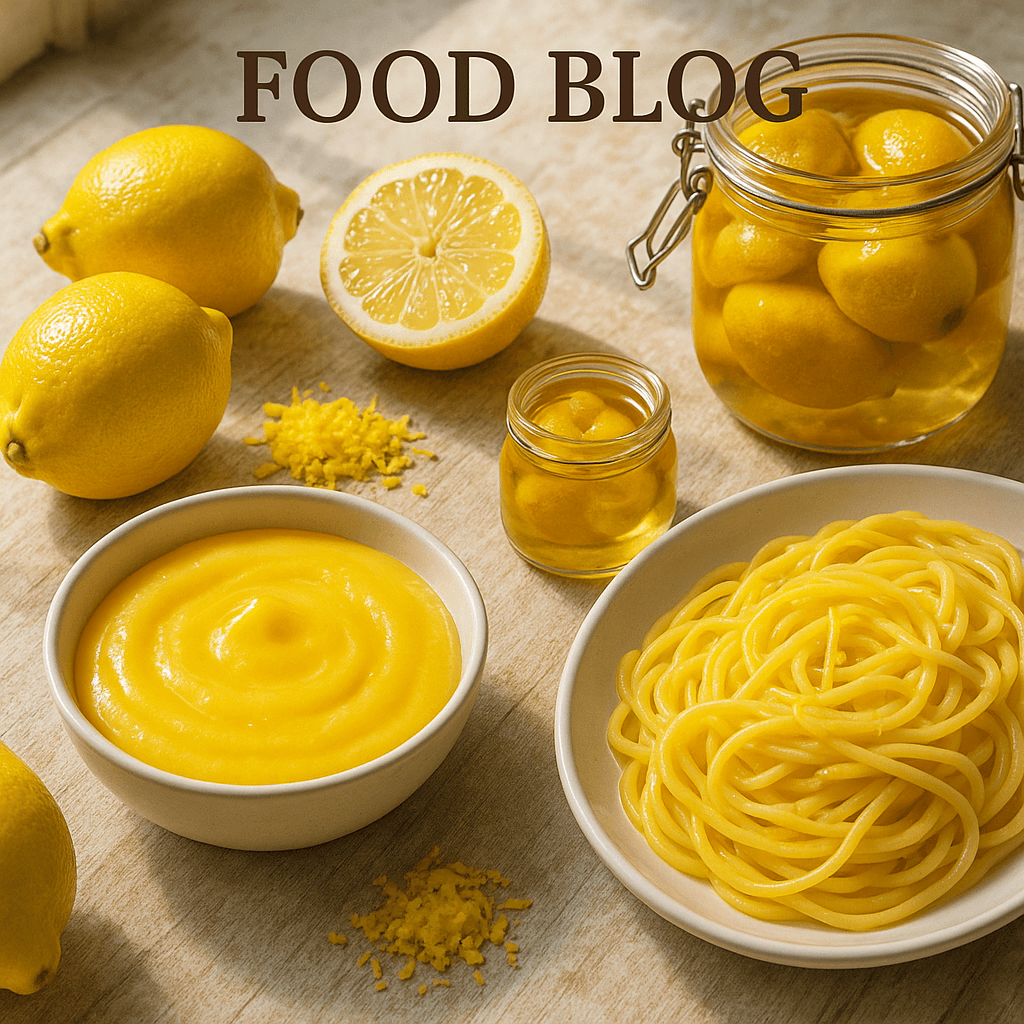
A lemon can rescue a dull soup, sharpen a buttery pasta, lift a roast chicken, set a marmalade, and turn eggs, cream, or milk from silky to grainy in seconds. That range is why lemon is one of the most useful ingredients in the kitchen—and also one of the easiest to misuse. Home cooks often talk about lemon as if it does one thing: “adds acidity.” In reality, lemon is doing at least five jobs at once. It brings acid, aroma, bitterness, sugar, and structure. Which of those leads depends on what part of the fruit you use, when you add it, how much heat it sees, what it touches, and how long it sits.
That is why one squeeze can make a dish taste vivid and alive, while another can make the same dish seem thin, harsh, metallic, or oddly muted. If you understand what is happening inside the fruit—citric acid in the juice, volatile oils in the zest, pectin in the pith and membranes, limonoid bitterness in the peel and juice, and the way proteins and starches respond to low pH—you can stop treating lemon as a garnish and start using it as a real cooking tool.
This is the practical science of lemon behavior in the kitchen: why zest smells floral while bottled juice tastes blunt, why a pan sauce can “wake up” with lemon added at the end but collapse if boiled too long, why lemon curd must be heated enough to thicken but not so aggressively that it scrambles, why preserved lemons soften bitterness through salt and time, and why cutting or grating a lemon at the wrong moment can waste the best aromas before they ever reach the plate.
Lemon is not one flavor
When people say lemon tastes “bright,” they usually mean a combination of acidity and aroma. Acidity alone is not brightness. Pure sourness without aroma can taste severe, hollow, or one-dimensional. What reads as bright in food is often the pairing of sharp acid with fresh volatile compounds from the peel—molecules like limonene, citral, and other terpenes and aldehydes that create the recognizable sunny, floral, almost sparkling lemon character.
At the same time, lemon contains bitterness, mostly associated with the white pith, seeds, and compounds called limonoids and flavonoids. These can move into juice or cooked preparations over time, especially when you squeeze aggressively, crush membranes, simmer peel, or hold lemony mixtures for a while. Then there is a little sweetness, which matters more than many people realize because sweetness balances acid and bitterness. Finally, lemon contains pectin, particularly in the peel, pith, and membranes. Pectin is crucial in preserves and helpful in some sauces and curds because it contributes body.
So if you use:
- Juice, you mostly get acid, some sugar, some aroma, and possible bitterness depending on extraction and age.
- Zest, you get intense aroma with almost no sourness.
- Pith, you get bitterness and pectin.
- Whole slices, you get everything at once, but heat and time determine what dominates.
- Preserved lemon, you get mellowed acidity, salt, fermented complexity, softened peel texture, and a less fresh but deeper citrus perfume.
Thinking of lemon this way immediately solves many kitchen problems. If a dish tastes rich but sleepy, maybe it needs acid. If it tastes sharp but not expressive, maybe it needs zest instead of more juice. If a marmalade lacks backbone, maybe it needs pith for pectin. If a sauce tastes harsh, maybe the lemon was boiled too hard, added too early, or extracted with too much peel bitterness.
A little context: why lemon became so central
Lemons have moved through kitchens for centuries not just because they taste good, but because they solve culinary problems. In Mediterranean, Middle Eastern, South Asian, and European traditions, lemon preserves color, balances fat, seasons vegetables, cures or firms proteins, perfumes sweets, and helps fruit gels set. Preserved lemons in North African cooking transform the peel itself into a seasoning. Lemon curd in British-style pastry uses acid to cut richness while eggs create a spoonable emulsion. Italian pasta al limone depends on a careful balance of starch, fat, cheese, and lemon so the sauce tastes glossy rather than broken. Marmalades and lemon preserves rely on pectin and acid chemistry for set.
What all of these dishes share is an understanding—sometimes intuitive, sometimes highly technical—that lemon must be controlled. Traditional cooks often learned rules that science later explained: add fresh lemon at the end; blanch peels to tame bitterness; salt preserved lemons heavily; whisk curd gently over moderate heat; don’t let lemon and dairy boil carelessly; use zest for perfume, not pith.
The chemistry behind bright, bitter, and flat
Citric acid: the main source of sourness
Lemon juice is rich in citric acid, usually around 5% to 8% by weight depending on variety and ripeness. Citric acid lowers pH, making food taste sharper and often “cleaner.” Acid also changes how we perceive salt and sweetness. A moderate amount can make flavors seem more defined. Too much can suppress subtler flavors and make a dish seem thin because the palate focuses on sourness rather than depth.
A useful kitchen point: the same amount of lemon juice will not taste equally acidic in every dish. Fat, sugar, salt, starch, and temperature all change perception. A teaspoon of lemon in a cold vinaigrette may seem assertive. The same teaspoon in a hot, buttery pan sauce may seem barely enough.
Peel oils: the source of lemon’s perfume
The outer yellow layer of the peel, the flavedo, contains tiny oil glands packed with aromatic compounds. These are highly volatile, which means they evaporate easily. That is wonderful for fragrance and terrible for careless prep. Zest a lemon 30 minutes before cooking and leave it exposed on the board, and you will lose some of its best top notes to the air. Boil zest hard for too long, and you drive off fresh aromas while extracting deeper, sometimes resinous notes.
This is why zest should often be added:
- at the last minute in pasta, dressings, and roasted vegetables
- rubbed into sugar or salt to capture oils
- steeped gently rather than boiled violently in custards or syrups
Limonoids and flavonoids: where bitterness comes from
Bitterness in citrus comes from several compounds, notably limonin and certain flavonoids like naringin in some citrus species. In lemons, bitterness is most associated with pith, seeds, and membrane damage, though juice can also become more bitter over time. Freshly squeezed juice may taste cleaner than juice held for hours, especially if it includes crushed seed fragments or excessive membrane extraction.
That delayed bitterness is one reason lemon juice can seem “strangely flat” after storage. It is not just that aroma has faded. The balance has shifted. Sourness may still be present, but with less fragrant lift and more lingering bitterness, the juice tastes duller and harsher at once.
Sugar and pectin: balance and structure
Lemons are not very sweet, but their sugars still matter. In curd, pie filling, or preserves, sugar does more than make things sweet. It moderates acid perception, protects eggs from curdling by raising coagulation temperature slightly, and helps create texture.
Pectin, concentrated in peels, pith, and membranes, is a structural polysaccharide that forms gels under the right conditions: enough acid, enough sugar, and enough concentration. This is why lemon is useful in preserves beyond its flavor. It contributes both acidity and, if you include peel or pith, natural gelling power.
Why lemon brightens some dishes and flattens others
A dish tastes brighter after lemon when the acid increases contrast without overwhelming body, and when aromatic compounds remain intact enough to register as fresh. A dish tastes flat after lemon when one of three things happens:
-
Too much acid strips away depth The lemon dominates, making savory notes seem weaker. This often happens in soups, pan sauces, and braises where people keep adding juice to chase “freshness” but actually erase the rounded flavors developed by cooking.
-
Aroma is missing Juice alone, especially if old or bottled, can sour a dish without making it smell lively. The result is sharp but dull. This is where zest often fixes what more juice cannot.
-
Bitterness or metallic notes take over Bitter peel compounds, old juice, reactive cookware, or certain ingredients can create a harsh finish. Aluminum is especially problematic with acid; uncoated reactive aluminum can produce off flavors and discoloration. Stainless steel, enamel, glass, or nonreactive lined cookware are better choices for lemon-heavy preparations.
A practical formula for correcting lemon imbalance:
- If food tastes rich and dull, add a little juice.
- If it tastes sharp but boring, add zest or a strip of fresh peel.
- If it tastes harsh, add fat, sugar, starch, or dilution—and avoid more lemon.
- If it tastes metallic, check cookware, old garlic-on-acid interactions, or over-reduced acidic sauce.
When to add lemon early vs. late
This is one of the most important kitchen decisions.
Add lemon early when you want integration
Early addition works when lemon’s acid should become part of the structure of the dish rather than sit on top of it. Examples:
- soups or stews that need a subtle acidic backbone
- braises where a small amount of lemon rounds richness over time
- marinades where acid alters surface proteins
- preserves and curds where acid is part of texture formation
But “early” does not mean “boil aggressively forever.” It means adding lemon at a stage where it can merge with the dish. In many savory dishes, 1 to 2 teaspoons of juice per 4 servings added early can create background brightness, while a final 1 to 2 teaspoons added off heat restores fresh top notes.
Add lemon late when you want freshness and aroma
Late addition preserves volatile peel oils and keeps citric acid tasting sharper and more immediate. This is best for:
- pan sauces
- sautéed greens
- grilled fish
- pasta
- dressings
- roasted vegetables
- puréed soups just before serving
As a rule, if you want people to clearly notice “lemon,” add at least part of it near the end.
Add in stages for the best of both
Professional kitchens often use lemon in layers:
- a little early for depth
- zest during finishing for aroma
- final juice off heat for brightness
That layering is the difference between food that merely tastes sour and food that tastes vividly lemony.
Cutting, zesting, salting, heating, and storing: what changes
Cutting
Once cut, lemon starts losing aroma immediately. Juice exposed to air oxidizes and becomes less fragrant. Cut halves also dry out. For strongest flavor, cut just before use. If you must hold cut lemons, wrap tightly and refrigerate, then use within 1 day for high-aroma applications.
Zesting
Use a Microplane or fine grater to remove only the yellow outer layer. Stop before the white pith. One medium lemon yields about:
- 1 tablespoon finely packed zest
- 3 to 4 tablespoons juice
Zest directly into sugar, salt, butter, or a liquid whenever possible. This traps oils instead of letting them dissipate on the cutting board.
Salting
Salt changes lemon in two useful ways. First, in fresh cooking, salt can soften the perception of bitterness and make lemon seem rounder. Second, in preservation, heavy salting breaks down peel texture through osmosis, draws out juice, and creates conditions that over time transform raw sharpness into mellow complexity.
For preserved lemons, a common ratio is:
- 4 to 6 lemons
- 6 to 8 tablespoons kosher salt
- additional lemon juice as needed to submerge
Packed in a sterilized jar and held refrigerated, they become usable in about 3 to 4 weeks, with much deeper flavor after 6 to 8 weeks.
Heating
Heat is where most lemon mistakes happen.
- Gentle heat helps extract flavor, dissolve sugar, soften peel, and thicken custards.
- High heat drives off aroma, can intensify bitterness from peel, and can cause proteins to seize.
For fresh lemon flavor, think of heat in two categories:
- structural heat: enough to set curd, soften preserves, or integrate a sauce
- destructive heat: prolonged boiling that strips top-note aroma and leaves acid without freshness
Storage
Fresh juice is best used immediately. If held refrigerated in a sealed container, it is usually acceptable for 24 hours in cooked applications, but quality drops fast. Zest loses character even faster when exposed.
Whole lemons keep best refrigerated, ideally in a breathable or loosely closed bag, for 2 to 3 weeks or longer depending on condition. At room temperature, they are more aromatic but shorter-lived.
Lemon with dairy and eggs: the protein rules
Acid changes proteins dramatically, which is why lemon can make dairy silky in one recipe and broken in another.
Milk and cream
Milk proteins, especially casein, become unstable as pH drops. Add enough acid and they coagulate. That is useful in cheesemaking and disastrous in a cream sauce if uncontrolled. Cream is more stable than milk because of higher fat content, but it can still curdle.
To reduce curdling risk in lemony dairy sauces:
- use higher-fat dairy when possible
- add lemon off heat or over low heat
- stabilize with starch if appropriate, such as a little pasta water or flour-thickened base
- avoid prolonged boiling after acid addition
For a cream sauce serving 4, if using 1 cup heavy cream (240 ml), add 1 to 2 tablespoons lemon juice gradually off heat, tasting as you go. More is possible if the sauce has starch and ample fat, but add carefully.
Eggs and lemon curd
Lemon curd is a beautiful example of controlled acid-protein chemistry. Eggs thicken as their proteins unfold and link together under heat. Acid affects this process; sugar helps moderate it. Butter adds richness and smoothness.
A reliable lemon curd formula:
- 3 large eggs
- 3/4 cup sugar (150 g)
- 1/2 cup lemon juice (120 ml)
- 1 tablespoon finely grated zest
- 6 tablespoons unsalted butter (85 g)
- pinch of salt
Method temperature matters. Cook over a double boiler or in a heavy nonreactive saucepan over low heat, stirring constantly, until the curd reaches about 170°F to 175°F (77°C to 79°C). At this point it should coat the back of a spoon. Above that, especially past 180°F to 185°F (82°C to 85°C) with poor stirring, the risk of curdled egg bits rises quickly.
Strain if you want ultra-smooth texture, then cool with plastic or parchment touching the surface. The result should be glossy, thick, and tart but rounded, not aggressively sour.
Common lemon curd mistakes:
- too little sugar, making the curd taste thin and harsh
- too high heat, scrambling eggs
- too much zest cooked too long, creating bitterness
- bottled juice, which gives sourness without fresh aroma
Marinades and ceviche-style acid effects
Acid denatures proteins on the surface of meat or fish. That changes texture, but it does not penetrate deeply or truly “tenderize” in a meaningful interior sense for most meats. In fact, too much lemon in a marinade can make the exterior mushy while leaving the center unchanged.
Good marinade rule:
- For chicken or pork pieces: 1 to 2 tablespoons lemon juice per pound (450 g), marinate 30 minutes to 2 hours depending on thickness and other ingredients.
- For fish: 15 to 30 minutes is often enough.
- For shrimp: 10 to 15 minutes can be plenty.
Longer is not always better. Acid works fast at the surface.
Lemon in pasta and savory sauces
Pasta al limone is simple enough to expose every mistake. Too much juice and the sauce tastes watery and sharp. Too much zest boiled in the pan and it gets perfumey in a cooked, less fresh way. Add lemon directly to hot cheese without enough starch and it may clump or break.
For 12 ounces (340 g) pasta serving 3 to 4:
- cook pasta in well-salted water
- reserve 1 to 1 1/2 cups pasta water
- combine with 3 tablespoons butter or 2 tablespoons butter plus 2 tablespoons olive oil
- add 1/2 to 3/4 cup finely grated Parmigiano-Reggiano off or below strong simmer
- use 1 to 2 teaspoons zest and 1 to 2 tablespoons lemon juice, usually added near the end
- loosen with pasta water until glossy
The starch in pasta water helps emulsify the fat and cheese. Add lemon juice after the emulsion starts to form, not before. Finish with zest off heat for maximum fragrance.
If the pasta tastes flat even after lemon, it often needs more salt, not more acidity. Lemon cannot replace proper seasoning.
Lemon in preserves, marmalades, and whole-fruit cooking
Preserving is where lemon’s dual nature—acid plus pectin support—really shines.
Lemon curd versus jam chemistry
Curd thickens mainly through eggs and butter; jam sets mainly through pectin, sugar, and acid. In jam, acid helps pectin molecules gel instead of repelling one another. Lemon juice is often added to high-sugar fruit preserves to ensure a proper set and preserve fresh flavor.
Marmalade and bitterness control
Marmalade intentionally uses peel, which means bitterness is part of the style. The trick is controlling it, not eliminating it. Common methods include:
- slicing peel thinly for a better texture-to-bitter ratio
- blanching peels 1 to 3 times in fresh water to reduce harshness
- long soaking to soften peel and release pectin
- cooking to proper set rather than endless reduction
A classic set point for many preserves is around 220°F (104°C) at sea level, though thermometer use should be paired with visual tests because altitude and sugar concentration matter.
Whole lemon in savory dishes
Whole lemon slices in roasting pans or braises can be wonderful, but they can also turn acrid. Thin slices with seeds removed, added for part of the cooking time rather than all of it, usually give the best balance. If you want edible slices, blanching them briefly—1 minute in boiling water, then drain—helps tame bitterness.
Preserved lemon: why it tastes different from fresh lemon
Preserved lemon is not simply “salted lemon.” It is a transformed ingredient. Over time, salt draws out moisture, peel softens, bitterness mellows, and aroma deepens into something less high and sparkling than fresh zest but more savory, floral, and complex.
In many savory dishes, especially tagines, grain salads, dressings, and braises, the peel is the prized part. The pulp is often discarded or used selectively. Rinse preserved lemon before using if very salty, scrape away excess pulp if desired, and mince the peel finely.
As a substitute guideline:
- 1 tablespoon minced preserved lemon peel can replace the zest of about 1 medium lemon in savory cooking, though the flavor profile is saltier and deeper, not fresher.
Use preserved lemon when you want lemon integrated into the savory architecture of a dish. Use fresh zest when you want a burst of top-note citrus.
Step-by-step rules for better lemon cooking
Here is a practical system you can apply immediately.
1. Choose the right lemon tool
Ask what the dish needs.
- Needs sourness? Use juice.
- Needs perfume? Use zest.
- Needs savory depth? Use preserved lemon.
- Needs gel support? Use juice plus pith/peel or added pectin.
- Needs bittersweet complexity? Use controlled peel.
2. Prep at the last moment
Zest and juice just before use whenever possible. Wash and dry the lemon well first so the zest grates cleanly.
3. Capture zest oils
For desserts, rub zest into sugar for 30 to 60 seconds with your fingertips before adding other ingredients. For savory dishes, mash zest into salt, butter, or olive oil. This disperses oils and protects aroma.
4. Use nonreactive cookware
Especially for curd, preserves, and sauces with significant lemon content. Stainless steel, enamel, and glass are your friends.
5. Add juice with a purpose
- Early for background acidity.
- Late for freshness.
- In stages for complexity.
A good starting point for a finished savory dish serving 4 is 1 to 3 tablespoons fresh lemon juice, depending on richness and other acidic ingredients. Add 1 teaspoon at a time near the end and taste between additions.
6. Control heat around zest
If zest is meant to smell fresh, do not boil it hard. Warm it briefly, steep it, or add it off heat.
7. Respect protein sensitivity
For egg or dairy mixtures, use gentle heat and constant stirring. Add acid gradually when possible.
8. Balance harshness the right way
If lemon comes off as aggressive, fix with:
- a pinch more salt
- a little sugar or honey
- more butter or olive oil
- a splash of stock or water
- starch from pasta water or a slurry, depending on the dish
Do not always assume the answer is more cooking.
9. Remove seeds and avoid squeezing pith to death
Seeds and crushed pith increase bitterness. Use a strainer and press enough to extract juice, but not so violently that you wring every bitter note from the membranes.
10. Taste at serving temperature
Cold dulls flavor and makes acidity seem less expressive aromatically. Hot foods release aroma more readily but may seem less sharply sour than when cool. Final lemon adjustment should happen as close to serving temperature as possible.
Common mistakes and how to avoid them
Mistake: adding lemon to a dish that is under-salted
Result: the dish tastes vaguely sour rather than bright.
Fix: season with salt first, then reassess lemon.
Mistake: boiling fresh lemon juice for a long time
Result: less lively aroma, more blunt acidity, possible bitterness.
Fix: reserve part of the juice for finishing.
Mistake: using too much pith in zest or slices
Result: bitterness overwhelms.
Fix: remove only the yellow outer layer; blanch slices if using whole.
Mistake: curdling cream sauce
Result: grainy or broken texture.
Fix: lower heat, use heavier cream, emulsify first, add juice off heat.
Mistake: scrambling lemon curd
Result: lumpy curd with egg bits.
Fix: cook slowly to 170°F to 175°F, stir constantly, strain if needed.
Mistake: storing juice too long
Result: flat, dull, sometimes harsher lemon flavor.
Fix: juice fresh for uncooked or lemon-forward dishes.
Mistake: confusing zest with juice
Result: repeated additions of juice trying to get “more lemon” when what is missing is aroma.
Fix: add zest or a fresh peel infusion.
Smart variations for sweet and savory cooking
For cakes, cookies, and sweet doughs
Rub zest into sugar before mixing. This is one of the highest-impact, lowest-effort lemon techniques in baking. It distributes aromatic oils evenly and makes lemon flavor seem stronger without extra liquid.
For vinaigrettes
Use both zest and juice. A balanced ratio for a simple dressing is:
- 3 tablespoons olive oil
- 1 tablespoon lemon juice
- 1/2 teaspoon finely grated zest
- salt to taste
Whisk, rest 5 minutes, and taste again. The zest blooms in the oil.
For roasted vegetables
Finish with zest first, then a few drops of juice. This keeps the roast flavor intact while adding lift.
For grilled meats
Use juice sparingly at the end unless the marinade was designed for acidity. A squeeze over grilled chicken can be transformative; too much can wash out char and seasoning.
For soups
Add a small amount during cooking if needed, but hold back most of the lemon for just before serving. Start with 1 teaspoon per bowl and adjust.
For fruit preserves
Use measured lemon juice, not guesswork, when set matters. If a preserve recipe calls for 2 tablespoons lemon juice, it is often there for chemistry as much as taste.
The big takeaway: use lemon as a layered ingredient
The most important shift is to stop asking, “Should I add lemon?” and start asking, “Which lemon quality do I need right now?”
If you need brightness, you may need acid, aroma, or both. If you need bitterness for complexity, reach for peel intentionally, not accidentally. If you need structure, think pectin and protein behavior. If you need a mellow savory lemon note, preserved lemon may work better than fresh juice. And if you need freshness, respect the clock: cut late, zest late, and do not cook away the very molecules that make lemon smell alive.
A few final practical rules are worth committing to memory:
- Zest for aroma, juice for sourness, preserved peel for savory depth.
- Add some lemon early for integration, but save some for the end.
- Avoid hard boiling if fresh lemon character matters.
- Use nonreactive cookware for acidic preparations.
- In dairy and egg dishes, acid plus heat requires gentleness.
- If lemon tastes harsh, balance it—do not automatically add more.
- Fresh juice and fresh zest are not interchangeable with bottled juice.
Once you see lemon as a system of acid, oil, bitterness, sugar, and structure, it becomes easier to make better curd, better pasta, better preserves, and better everything else it touches. A lemon is not just a finishing squeeze. It is a precision instrument. Use the right part, at the right time, with the right heat, and it will make your food taste not merely sour, but alive.