Why Shrimp Turn Bouncy, Mushy, or Mealy: Myosin Chemistry, Brining Logic, and the Heat Rules for Searing, Poaching, and Stir-Frying
RecipeSimpli
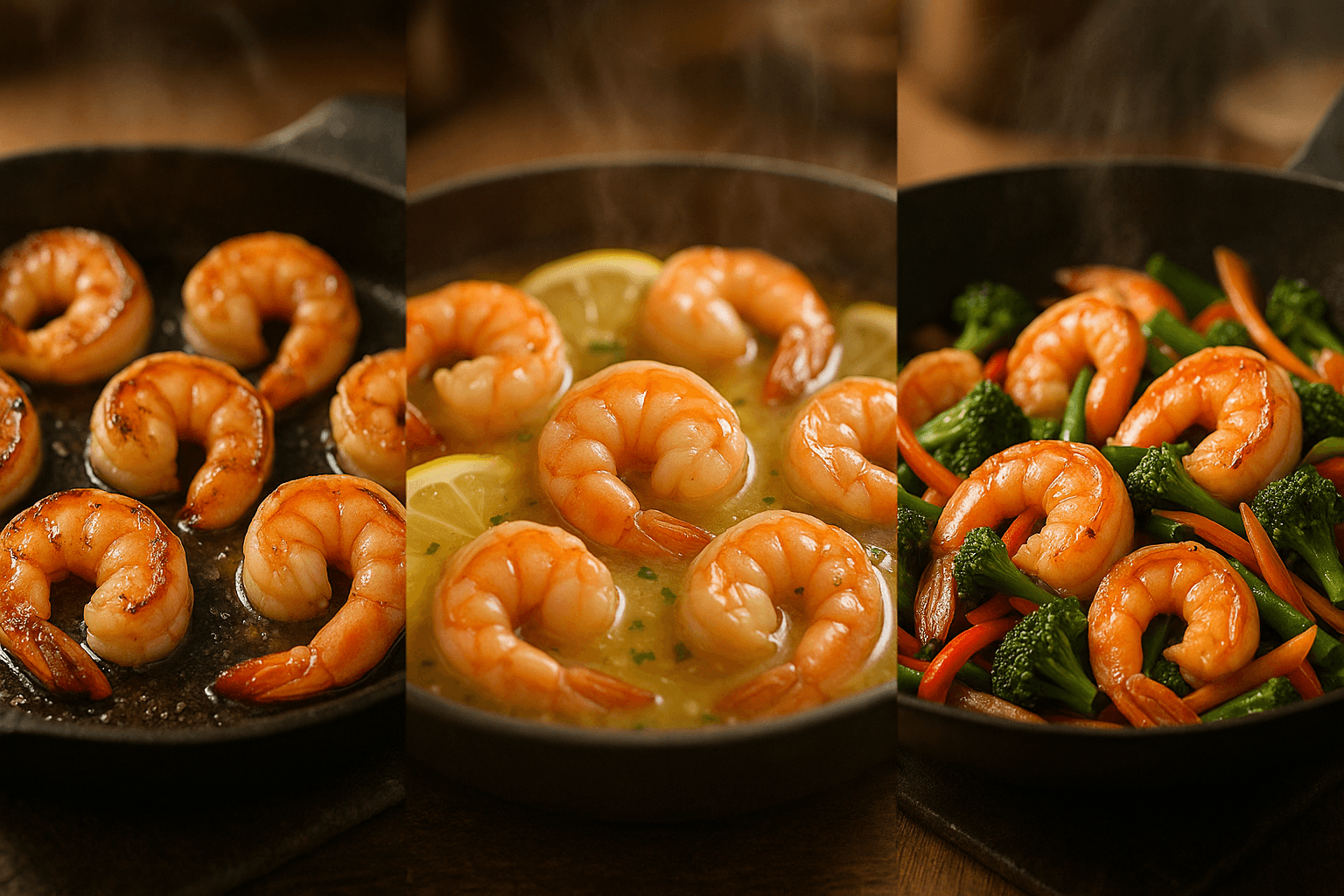
Shrimp can go from exquisite to disappointing faster than almost any other protein in the kitchen. One minute they are sweet, tender, and almost creamy with a delicate snap. Thirty seconds later they are rubbery and tense. Leave them too long in the wrong marinade and they become oddly mushy on the outside but dry in the center. Thaw them carelessly after freezing and they may eat cottony or mealy, as if the flesh has forgotten how to hold itself together.
That volatility is exactly why shrimp are so satisfying to understand. They are not difficult once you know what is happening inside the muscle. Shrimp texture is governed by a tight little set of variables: the condition of the muscle proteins, especially myosin; the amount of salt and water moving in and out of the flesh; the effects of freezing and thawing on cell structure; the pH of any marinade or treatment; and, more than anything, the speed and intensity of heat.
If you learn those rules, you can predict texture instead of hoping for it. You can choose whether you want a gentle, buttery bite for poached shrimp, a springy restaurant-style snap for stir-fries, or a slightly firmer charred edge from a ripping-hot skillet. And you can avoid the three most common shrimp failures: bouncy and rubbery, mushy and wet, or mealy and dry.
Why shrimp texture changes so dramatically
Shrimp are built from short muscle fibers arranged in segments, wrapped in connective tissue that is much more delicate than what you find in beef or pork. They are naturally lean, with very little fat to cushion mistakes. That means texture depends heavily on proteins and moisture management.
The protein that matters most here is myosin, one of the main contractile proteins in muscle. When shrimp are raw, myosin helps give the flesh its translucent, glossy, slightly slippery structure. As shrimp heat up, myosin begins to denature, meaning its folded shape unwinds and then resets into a firmer network. This is useful up to a point: denatured proteins create the tender, opaque structure we want in cooked shrimp. But once too much heat accumulates, the proteins tighten aggressively, squeeze out water, and the shrimp become springy, rubbery, and eventually dry.
Another set of proteins, including actin, denatures at higher temperatures and reinforces that tightening. In practice, this is why shrimp often seem perfect for a brief window and then quickly overcook. They have very little margin for error.
Shrimp also contain enzymes that continue affecting texture after harvest. If the shrimp are old or mishandled, those enzymes, along with microbial activity, can soften the flesh and break down structure. This is one reason poor-quality shrimp can cook up mushy even when your timing is correct.
Then there is water. Shrimp are mostly water, but that water is not just sloshing around freely. Some of it is held within muscle cells; some is associated with proteins. If freezing damages the cell structure, if too much osmotic movement happens during brining or marinating, or if heat forces water out too quickly, texture changes dramatically.
So when someone says, “These shrimp are rubbery,” or “These are weirdly mushy,” they are really describing the outcome of protein behavior and moisture movement.
A little context: why shrimp are treated so differently around the world
Different shrimp traditions reveal different priorities in texture.
In many Chinese restaurant dishes, shrimp are intentionally treated to create a pronounced, springy, almost crisp bite. This can involve salting, rinsing, brief alkaline treatment with baking soda, or the broader technique often called velveting. The goal is not soft delicacy but a clean snap and plumpness that holds up under fast wok heat.
In Southern U.S. shrimp boils, Gulf Coast sautés, or Mediterranean shrimp cooked with olive oil and garlic, the goal is often juiciness and sweetness. Shrimp may be lightly brined or simply cooked with careful timing, emphasizing tenderness rather than bounce.
In Japanese preparations like ebi for sushi or tempura, the sweet purity of shrimp is central, and overhandling is avoided. Precision of doneness matters because the shrimp should remain succulent, not aggressively springy.
Latin American citrus-cured shrimp dishes and ceviche-like preparations introduce another texture model entirely: acid firms the surface proteins without heat, but if the exposure goes too long the flesh can become chalky or mealy.
None of these are “right” or “wrong.” They are different manipulations of the same raw material. Understanding the science lets you choose intentionally.
Freshness: the first texture decision happens before cooking
The best technique cannot fully rescue poor shrimp. Freshness determines whether the muscle proteins still have good structure and whether the shrimp can retain moisture properly.
What good shrimp should look and smell like
Whether buying fresh or thawed, look for shrimp that:
- Smell clean, briny, or faintly sweet, never strongly fishy, sour, or like ammonia
- Feel firm rather than slippery or soft
- Have shells that are intact and moist-looking, not dried out
- Show flesh that is translucent and glossy, not opaque, patchy, or yellowing
- Are not sitting in a puddle of milky liquid
If shrimp smell like ammonia, that is a strong sign of decomposition. If they feel mushy before cooking, the proteins and tissue have already begun breaking down.
The freezing question: fresh isn’t always fresher
Many shrimp sold as “fresh” at the seafood counter were previously frozen and thawed for display. In many inland markets, the best shrimp are actually the frozen ones in the bag, especially if they were frozen quickly soon after harvest.
Individually quick frozen (IQF) shrimp are often excellent because rapid freezing forms smaller ice crystals, which do less damage to cell structure than slow freezing. Less damage means better moisture retention and a cleaner texture after thawing.
By contrast, shrimp that are frozen slowly, thawed, refrozen, or held too long after thawing can become mealy. Large ice crystals puncture cell membranes and disrupt the muscle structure. When thawed, the damaged shrimp leak more fluid and struggle to hold together when cooked.
How to thaw shrimp without wrecking texture
Best method:
- Put frozen shrimp in a bowl in the refrigerator for 8 to 12 hours.
Fast method:
- Place shrimp in a colander under cold running water for 5 to 10 minutes, or in a bowl of cold water for 15 to 20 minutes, changing the water once or twice.
Avoid:
- Warm water
- Room-temperature thawing for long periods
- Microwave thawing
Warm or uneven thawing accelerates protein damage and can partially cook the exterior, setting up uneven texture.
After thawing, dry the shrimp well with paper towels. Surface water interferes with browning and can make sautéed shrimp steam instead of sear.
Myosin chemistry in plain English
If there is one scientific idea worth keeping, it is this: shrimp become tender when myosin sets, and tough when the proteins tighten too far and force moisture out.
In broad kitchen terms:
- Around 120 to 130°F (49 to 54°C), shrimp are still underdone and translucent.
- Around 130 to 140°F (54 to 60°C), myosin denatures enough to turn the flesh opaque and pleasantly firm.
- Around 140 to 150°F (60 to 66°C), the shrimp are usually in the sweet spot for most hot applications.
- Beyond 155°F (68°C), proteins tighten more aggressively, and water loss climbs.
- By 165°F (74°C) and above, especially if held there, shrimp are commonly rubbery and dry.
These are not absolute cutoffs, because size, salt treatment, and carryover heat matter. But they explain the tiny window you are working with.
Shrimp are usually best when pulled just as they turn opaque and curl into a loose C shape. If they tighten into a compact O, they are often overcooked.
Why shrimp turn bouncy
“Bouncy” can mean two different things.
The good kind of bounce
A pleasant, springy snap comes from:
- Fresh shrimp with intact muscle structure
- Moderate salt treatment that improves water retention and protein solubility
- Brief alkaline treatment, if desired, for stir-fries
- Fast, high-heat cooking that sets the exterior without prolonged squeezing of moisture
This is the texture many people associate with restaurant stir-fried shrimp.
The bad kind of bounce
Harsh, rubber-ball bounce comes from:
- Overcooking
- Reheating cooked shrimp too long
- Acid marinades left on too long before cooking
- Excessive alkaline treatment
- Shrimp already damaged by freezing, then cooked hard
When proteins contract too much, the texture becomes taut instead of succulent.
Why shrimp turn mushy
Mushy shrimp are usually not an overcooking problem. They are more often a quality or chemical-treatment problem.
Common causes include:
1. Enzymatic breakdown from age or mishandling
Older shrimp can soften as enzymes degrade structure. If the flesh is weak before it goes into the pan, no technique will restore the missing firmness.
2. Overexposure to baking soda or alkaline treatment
A small amount of baking soda can raise surface pH and increase a plump, snappy texture. Too much, or left on too long, can make the exterior feel slippery, soft, or pasty.
3. Shrimp treated with chemical additives
Some commercially processed shrimp are treated with sodium tripolyphosphate or similar compounds to improve moisture retention. In moderation, this can protect juiciness. In excess, it can create a strangely wet, almost squeaky texture and cause the shrimp to leak water in the pan.
If a package says “contains up to X% retained water,” expect extra moisture and potentially less clean browning.
4. Acid marination for too long
Lemon juice, lime juice, vinegar, wine, and yogurt can denature the surface proteins. Brief exposure can season and lightly firm. Long exposure can make the outer layers chalky or mushy while the inside cooks unevenly.
For shrimp, acidic marinades are usually best kept to 10 to 20 minutes, unless the recipe is intentionally a cured preparation.
Why shrimp turn mealy or cottony
Mealy shrimp feel grainy, fibrous, or dry-crumbly rather than slick and juicy. This often points to structural damage and water loss.
Likely causes:
1. Freeze damage
Large ice crystals rupture cells. On thawing, the shrimp leak liquid and lose cohesion. Cooked texture becomes cottony or mealy.
2. Overcooking after freeze damage
Already compromised shrimp dry out faster. Their moisture-holding ability is reduced, so even normal cooking times may be too long.
3. Long holding after cooking
Cooked shrimp kept hot for too long continue to tighten and lose moisture.
4. Overly aggressive dry heat on small shrimp
Tiny shrimp can overcook through before the exterior gets color, especially under a broiler or in a ripping-hot wok.
Salt and brining: the logic behind juicier shrimp
Salt is one of the most powerful tools for controlling shrimp texture. It changes how muscle proteins interact with water.
At the right concentration, salt helps dissolve some myofibrillar proteins and improves water binding. In practical terms, that means shrimp stay plumper and juicier during cooking. Salt also seasons the flesh more evenly than surface seasoning alone.
A reliable shrimp brine
For 1 pound (450 g) peeled shrimp:
- 1 quart (1 liter) cold water
- 2 tablespoons (34 g) kosher salt or 1 tablespoon (18 g) fine sea salt
- Optional: 1 tablespoon (12 g) sugar
Brine time:
- 15 minutes for small shrimp
- 20 to 25 minutes for medium to large shrimp
- Up to 30 minutes for very large shrimp, but not much longer
After brining:
- Drain
- Rinse quickly if you prefer milder salinity
- Dry thoroughly
This is a relatively light brine, strong enough to improve juiciness without curing the shrimp.
Dry brining option
For 1 pound (450 g) shrimp:
- Toss with 3/4 teaspoon kosher salt and let sit 15 to 20 minutes in the refrigerator
- Pat dry before cooking
Dry brining is excellent for skillet searing because it adds less surface moisture than wet brining.
What sugar does
Sugar in a brine does not dramatically penetrate in a short soak, but it can slightly balance salinity and support browning on the surface. Use it if you like, but salt is doing the heavy lifting.
Baking soda: when it helps and when it absolutely does not
Baking soda raises pH. A slightly higher pH can make proteins repel one another a bit more, reducing tight contraction and encouraging a plumper, snappier texture. It can also speed browning by making the surface more alkaline.
This is why baking soda is common in some stir-fry techniques. But it is a scalpel, not a shovel.
Good use case
For 1 pound (450 g) peeled shrimp destined for stir-frying:
- Toss with 1/4 teaspoon baking soda
- Add 1/2 teaspoon kosher salt
- Let sit 15 to 20 minutes in the refrigerator
- Rinse briefly if desired, then pat very dry
This can create a slightly firmer, springier bite that survives high wok heat.
Bad use cases
Do not use baking soda when:
- You want delicate poached shrimp
- You are grilling or broiling shrimp for pure sweet flavor
- The shrimp are already soft or suspect in quality
- You plan to marinate in acid immediately afterward
- You are tempted to leave it on for an hour “for extra effect”
Too much baking soda gives shrimp an off taste, a slippery surface, and an oddly artificial bounce.
If your ideal shrimp are buttery and natural-tasting, skip it.
The heat rules: shrimp cooking methods decoded
Every shrimp technique comes down to managing how fast the center reaches doneness before the outside dries out.
Rule 1: Match heat intensity to shrimp size
- Small shrimp (41/50 or smaller): medium to medium-high heat, very short cook times
- Medium shrimp (31/40): medium-high works well
- Large to jumbo shrimp (21/25, 16/20): can take high heat for searing or broiling
Rule 2: Dry heat demands dry shrimp
If you want browning in a skillet, under a broiler, or in a wok, the shrimp surface must be dry. Water creates steam and slows browning, which extends total cooking time.
Rule 3: Pull early
Shrimp continue to cook from residual heat for a minute or two after leaving the pan, especially large ones.
Rule 4: Crowding is overcooking by stealth
If the pan is crowded, shrimp release moisture and steam. That means they sit in the pan longer waiting for color, and by the time they brown they are often overcooked.
Cook in batches if needed.
Step-by-step: perfect shrimp for searing in a skillet
This method is for browned, juicy shrimp with lightly crisp edges.
Best for
- Tacos
- Pasta
- Salads
- Garlic butter shrimp
- Shrimp to serve over grits or rice
Ingredients for 1 pound (450 g) large shrimp
- 1 pound large shrimp, peeled and deveined
- 3/4 teaspoon kosher salt, or use a short brine beforehand
- 1/4 teaspoon black pepper
- 1 tablespoon neutral oil or high-smoke-point olive oil
- Optional: 1 tablespoon butter added near the end
Method
- Dry brine or season. Salt the shrimp 15 to 20 minutes ahead, or season just before cooking.
- Dry thoroughly. Pat the shrimp very dry with paper towels.
- Heat the pan. Preheat a stainless steel or cast-iron skillet over medium-high to high heat for 2 to 3 minutes. Add oil.
- Lay shrimp in one layer. Do not crowd.
- Cook first side 45 to 90 seconds, depending on size, until the underside is opaque and lightly browned.
- Flip and cook 30 to 60 seconds more.
- Add butter or aromatics only at the end if using, so they do not burn.
- Remove immediately when the shrimp are mostly opaque with a loose C shape.
Temperature target
Aim for an internal temperature of about 140 to 145°F (60 to 63°C) for most applications.
Common skillet mistake
Leaving shrimp in the pan while you finish the sauce. Instead, remove the shrimp, make the sauce, then return them for 15 to 30 seconds only.
Step-by-step: gentle poached shrimp
Poaching gives you the most tender, least aggressive texture. It is perfect for shrimp cocktail, chilled seafood salads, and delicate butter sauces.
Why it works
The water or court bouillon surrounds the shrimp with controlled, moderate heat. That slows protein tightening and preserves juiciness.
Poaching liquid for 1 pound (450 g) shrimp
- 6 cups water
- 1 tablespoon kosher salt
- 1 lemon, halved
- 2 bay leaves
- 6 black peppercorns
- Optional: parsley stems, garlic cloves, splash of white wine
Method
- Combine poaching liquid ingredients and bring just to a simmer.
- Reduce heat until the liquid is about 170 to 180°F (77 to 82°C). You want gentle movement, not a rolling boil.
- Add shrimp.
- Cook:
- Small shrimp: 1 to 2 minutes
- Medium shrimp: 2 to 3 minutes
- Large shrimp: 3 to 4 minutes
- Remove as soon as shrimp are opaque.
- For chilled shrimp, transfer to a sheet pan or an ice bath briefly to stop cooking, then drain well.
The key rule
Do not boil shrimp hard. Boiling slams the proteins with excessive heat, causing quick tightening and a firmer, less juicy texture.
Step-by-step: wok-style stir-fried shrimp
This is where a little bounce is welcome.
Prep for 1 pound (450 g) shrimp
- 1 pound medium or large shrimp
- 1/4 teaspoon baking soda
- 1/2 teaspoon kosher salt
- 1 teaspoon Shaoxing wine or dry sherry, optional
- 1 teaspoon cornstarch, optional for velveting effect
- 1 tablespoon neutral oil for cooking
Method
- Toss shrimp with baking soda, salt, and optional wine and cornstarch.
- Rest 15 to 20 minutes refrigerated.
- Rinse lightly if desired, then pat very dry.
- Heat wok or skillet until very hot.
- Add oil, then shrimp in a single layer.
- Stir-fry 30 to 60 seconds on the first side.
- Toss and cook another 20 to 40 seconds.
- Remove when almost done.
- Cook vegetables and sauce separately if needed, then return shrimp at the very end for 15 to 20 seconds.
Why remove early?
Sauces take time to reduce. If the shrimp stay in the wok the whole time, they overshoot their ideal temperature.
Step-by-step: broiled shrimp
Broiling is fast and excellent for large shrimp because the intense top heat can char the exterior before the center dries out.
Best for
- Skewers
- Shrimp with lemon and herbs
- Sheet-pan dinners
Method for 1 pound jumbo shrimp
- Set the broiler to high and position the rack 4 to 6 inches from the heat.
- Toss shrimp with 1 tablespoon oil, 3/4 teaspoon kosher salt, and seasonings.
- Arrange on a preheated sheet pan or broiler-safe pan in a single layer.
- Broil 1 1/2 to 2 1/2 minutes.
- Flip if needed and broil another 30 seconds to 1 1/2 minutes.
- Remove when opaque and lightly blistered.
Watch carefully
Broilers vary wildly. The difference between juicy and tough can be under a minute.
Acid, alcohol, and marinades: the short-contact rule
Shrimp absorb marinades less deeply than people imagine. Because they cook so quickly, marinades mostly affect the surface.
That means long marinating often creates more problems than benefits.
Good marinade timing
- Oil-based, herb-forward marinade: 15 to 30 minutes
- Acidic marinade with lemon/lime/vinegar: 10 to 15 minutes
- Yogurt or cultured dairy: usually not ideal for shrimp unless very brief
Better strategy
Season shrimp lightly before cooking, then finish with:
- Lemon zest and juice
- Garlic butter
- Chili crisp
- Herb oil
- Pan sauce
- Soy-based glaze
You get brighter flavor and avoid chemical over-treatment before heat is applied.
Common mistakes that explain most bad shrimp
1. Buying poor-quality shrimp
No amount of technique fixes old, waterlogged, or damaged shrimp.
2. Cooking straight from a wet thaw
Wet shrimp steam and overcook before browning.
3. Using too much baking soda
More is not better. Past a small amount, texture gets weird fast.
4. Marinating too long in acid
The surface starts curing before you cook it.
5. Boiling violently
Poaching should be gentle.
6. Crowding the pan
This is one of the biggest reasons home-cooked shrimp taste less vivid than restaurant shrimp.
7. Waiting for “just a little more color”
Shrimp are often already done by the time that thought appears.
8. Leaving shrimp in hot sauce too long
Finish quickly and serve.
Tips and variations for different texture goals
For the sweetest, most natural shrimp flavor
- Use untreated, high-quality frozen shrimp or truly fresh shrimp
- Thaw gently
- Skip baking soda
- Use a light brine or dry brine
- Poach gently or sear briefly
- Finish with butter, lemon, or olive oil
For restaurant-style snappy stir-fry shrimp
- Use medium or large shrimp
- Apply a brief baking soda treatment
- Add a touch of cornstarch
- Cook in very high heat, very briefly
- Remove before the sauce is fully finished
For grilled shrimp that stay juicy
- Choose large or jumbo shrimp
- Dry brine 20 minutes
- Skewer for even handling
- Grill over high heat about 1 to 2 minutes per side
- Brush with fat after, not just before
For shrimp cocktail
- Poach at 170 to 180°F
- Chill quickly
- Serve cold only after fully draining
- A pinch of sugar in the poaching liquid can subtly round out sweetness
For frozen pre-cooked shrimp
These are best treated as a convenience ingredient, not something to cook again hard. Thaw gently, then warm only briefly in sauce or serve chilled. Re-cooking pre-cooked shrimp is one of the easiest ways to get rubbery results.
How to tell doneness without guessing
The visual cues matter, but size changes the timing. Here is a practical checklist:
- Flesh turns from translucent gray to opaque white-pink
- The back and thickest part are opaque, not glassy
- The shrimp curl into a loose C, not a tight O
- Juices look clear, not milky
- The surface feels springy but not firm like an eraser
If you want precision, use an instant-read thermometer on a large shrimp. Pull around 140 to 145°F for most sautéed or broiled applications, knowing carryover may raise it a few degrees.
The science in one bite: what each variable does
If you want a compact mental model, here it is:
- Freshness determines whether the muscle still has structure.
- Freezing quality determines whether the cells remain intact enough to hold water.
- Salt helps proteins retain moisture and seasons the flesh.
- Baking soda raises pH and can create snap, but easily goes too far.
- Acid firms the surface quickly but can turn chalky or mushy with long exposure.
- Heat sets myosin into tenderness at first, then squeezes moisture out if pushed too far.
That is the whole game.
A practical roadmap for home cooks
If you stand at the stove wondering what to do with a pound of shrimp, this simple decision tree works remarkably well:
- Are the shrimp high quality and firm? If no, choose a saucy dish where texture matters a little less, and cook gently.
- Do you want natural tenderness or springy snap? For tenderness, brine lightly and skip baking soda. For snap, use a tiny bit of baking soda and fast wok-style heat.
- Is your cooking method dry or wet? For dry heat, dry the shrimp aggressively. For wet heat, keep the liquid below a boil.
- Are you adding acid? Add most acid after cooking unless you want a very brief marinade.
- Can you remove the shrimp early? Build that habit and your results improve immediately.
Takeaways
Perfect shrimp are not about luck or restaurant mystique. They are about understanding a small, manageable set of forces.
Myosin and other muscle proteins define the basic texture. Salt helps those proteins hold water more effectively. Freezing and thawing can preserve or damage the muscle depending on how they are done. pH shifts from baking soda or acid can either improve texture or push it off a cliff. And heat is the final judge: enough to set the flesh, not so much that it contracts into rubber.
So when shrimp come out bouncy, mushy, or mealy, there is always a reason.
If they are pleasantly snappy, you likely used fresh shrimp, managed pH carefully, and cooked fast.
If they are mushy, suspect age, chemical treatment, or too much alkalinity or acid.
If they are mealy, suspect freeze damage and moisture loss.
And if they are rubbery, nine times out of ten, they simply stayed on the heat too long.
The happy news is that shrimp reward attention instantly. Buy the best you can, thaw gently, salt with purpose, be cautious with baking soda, respect acid, and cook with decisiveness. Once you internalize those rules, shrimp stop being fragile and start becoming one of the quickest, most reliable, and most elegant things you can make at home.