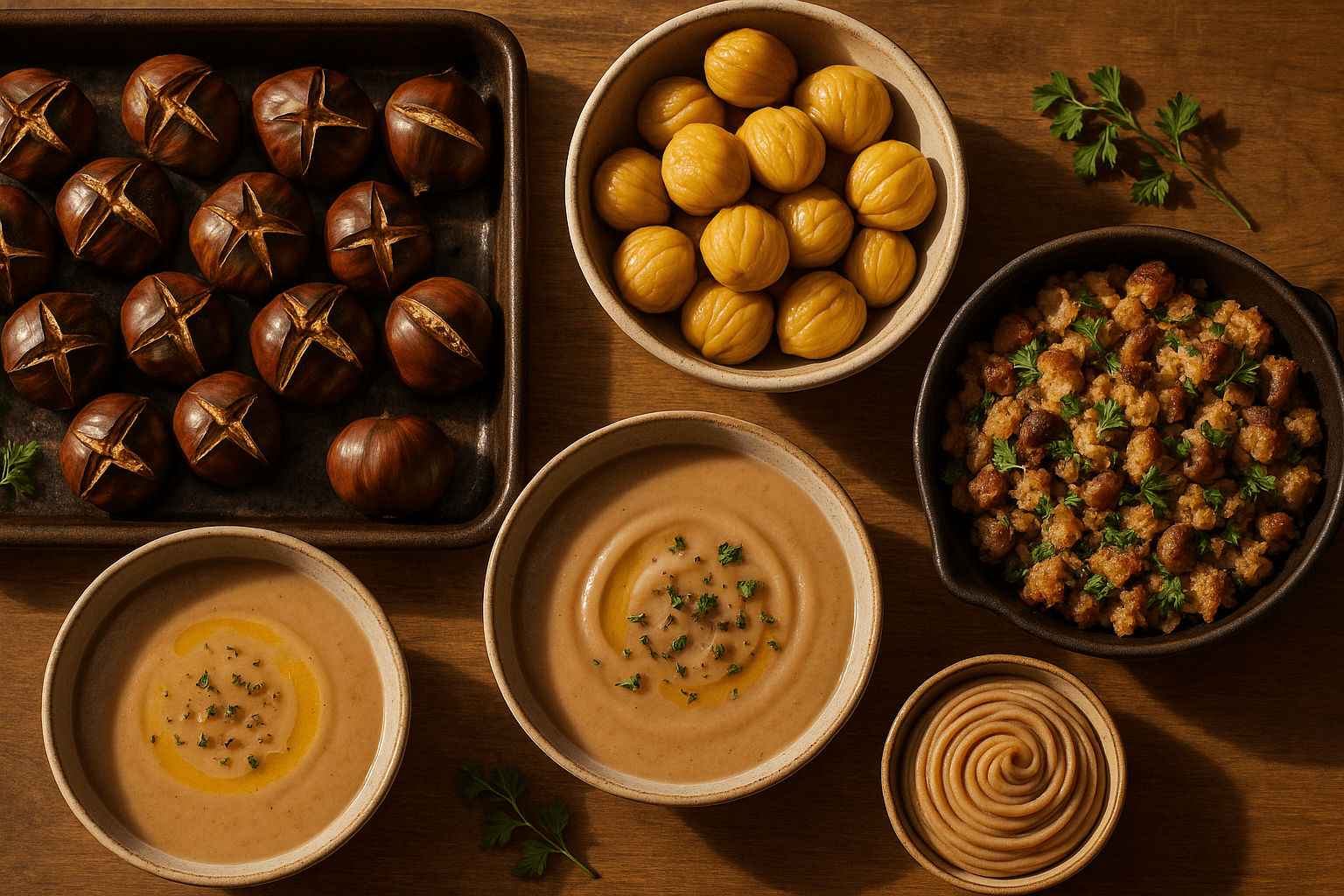
Why Chestnuts Turn Mealy or Silky-Sweet
Why chestnut texture varies from dry to creamy, how scoring and steam affect peeling, and when to roast, boil or steam for soups and desserts.
RecipeSimpli
22 min readExpert tips, recipe ideas, and culinary techniques to elevate your cooking
Why chestnut texture varies from dry to creamy, how scoring and steam affect peeling, and when to roast, boil or steam for soups and desserts.
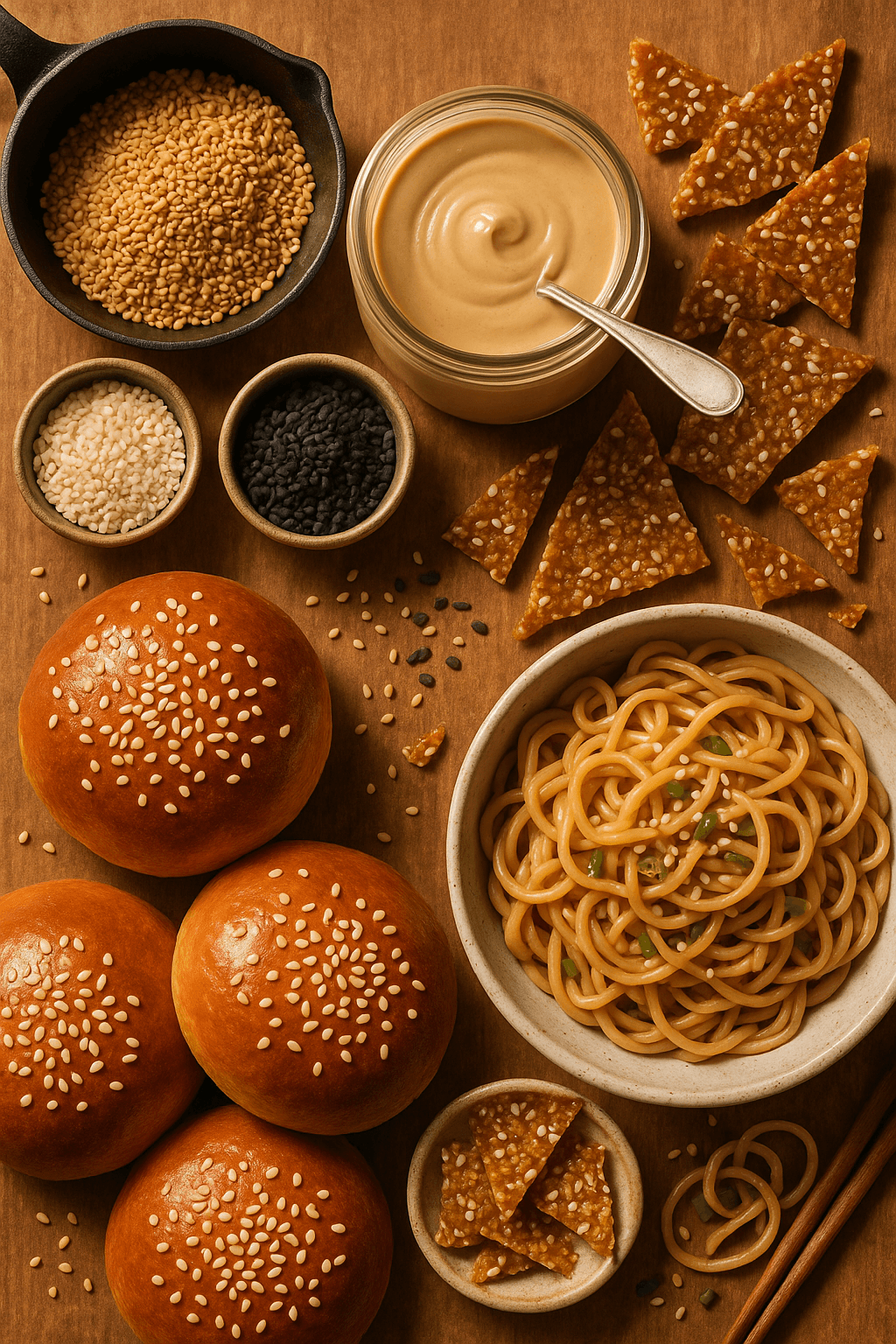
How hulls, calcium, roast curves and grinding affect sesame, with rules for better tahini, brittle, buns, noodles and finishing toppings.
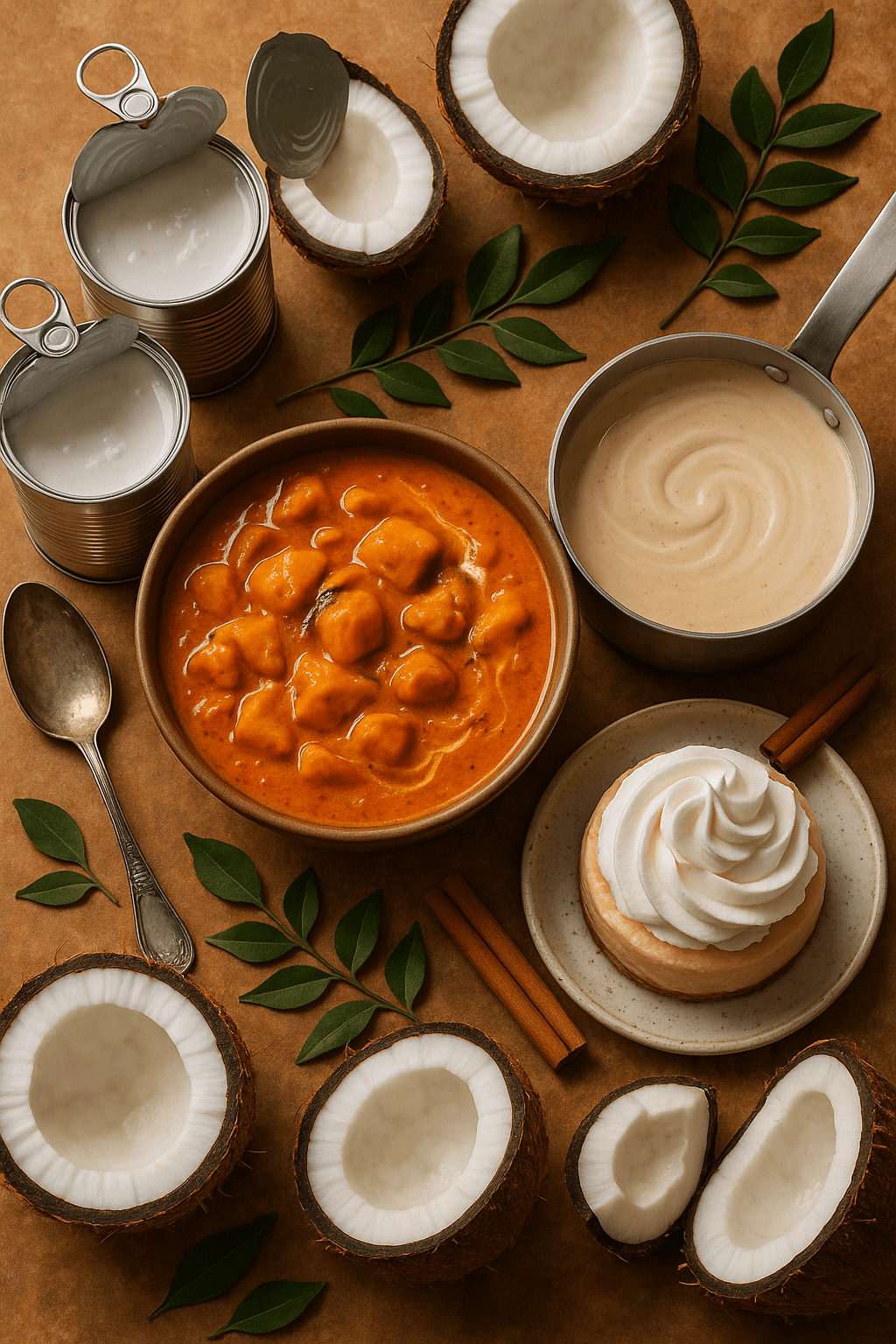
How fat globules and protein emulsifiers behave, with heat rules for smooth curries, desserts and vegan sauces, and when splitting helps.
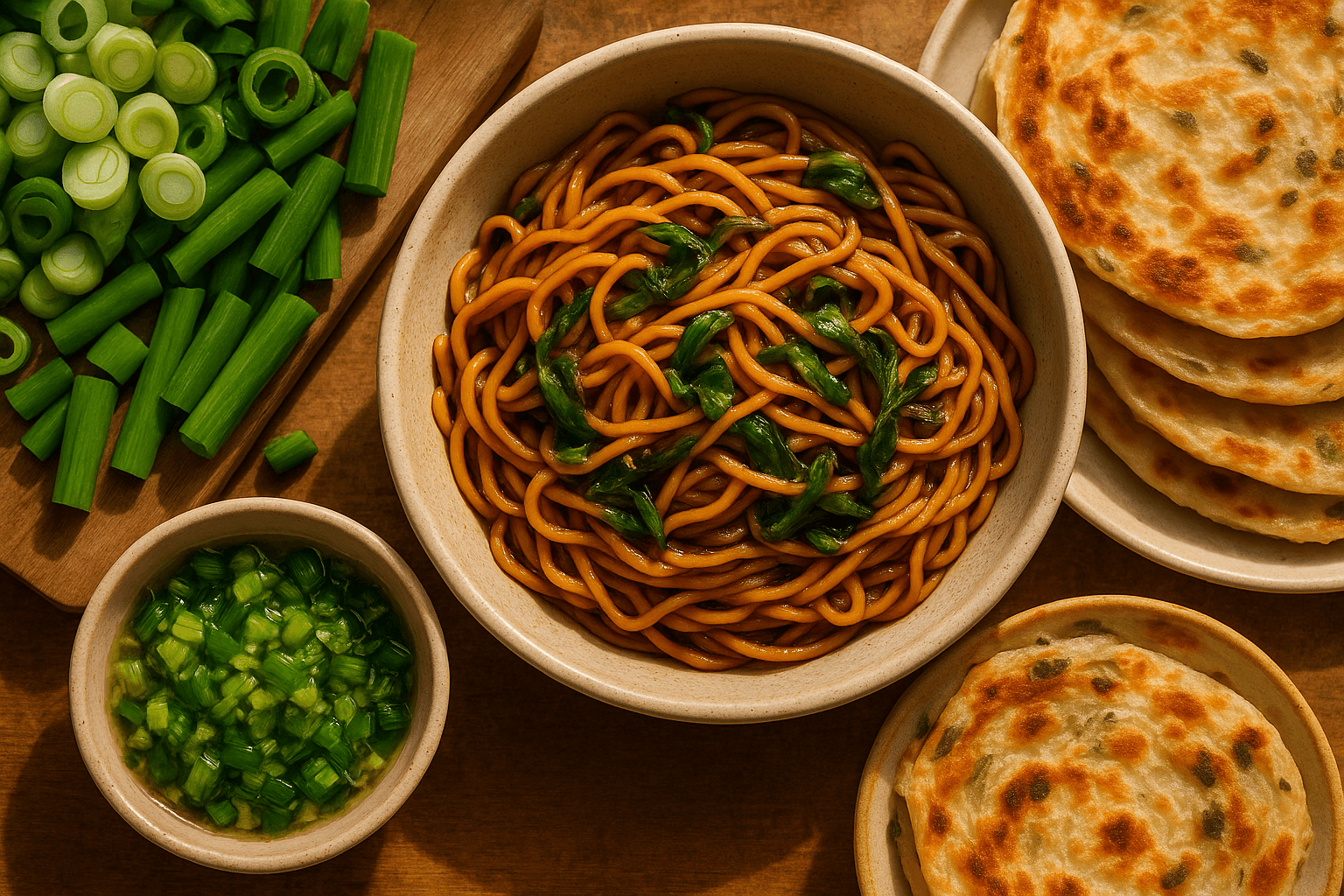
How scallion anatomy, cut size, heat zones and salt timing change flavor in noodles, pancakes, soups, stir-fries and finishing oils.
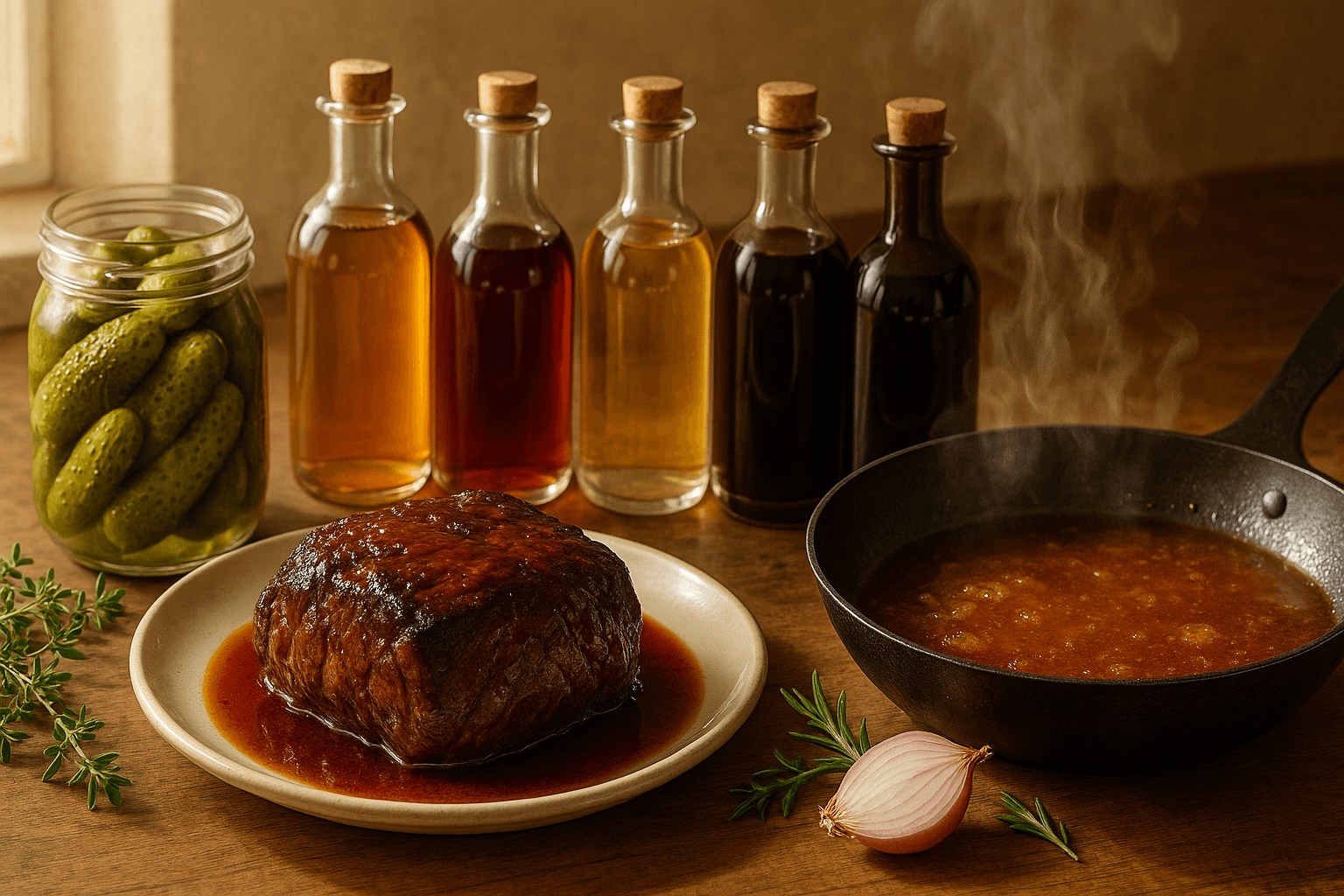
How acetic acid affects pectin, proteins, taste and aroma, and the timing rules for crisper pickles, balanced braises and bright pan sauces.
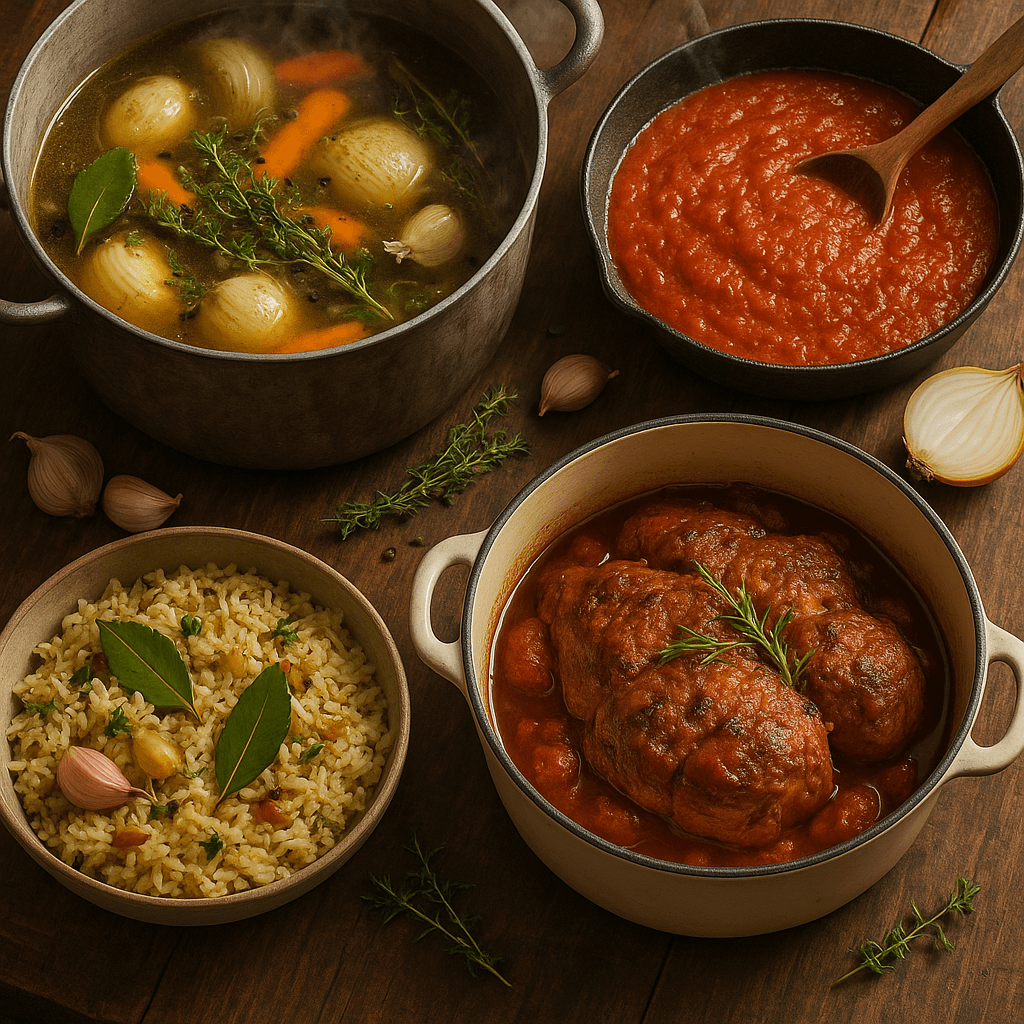
Why bay leaves vanish in some dishes and shine in others, with simmer rules for stocks, beans, sauces, braises and rice.
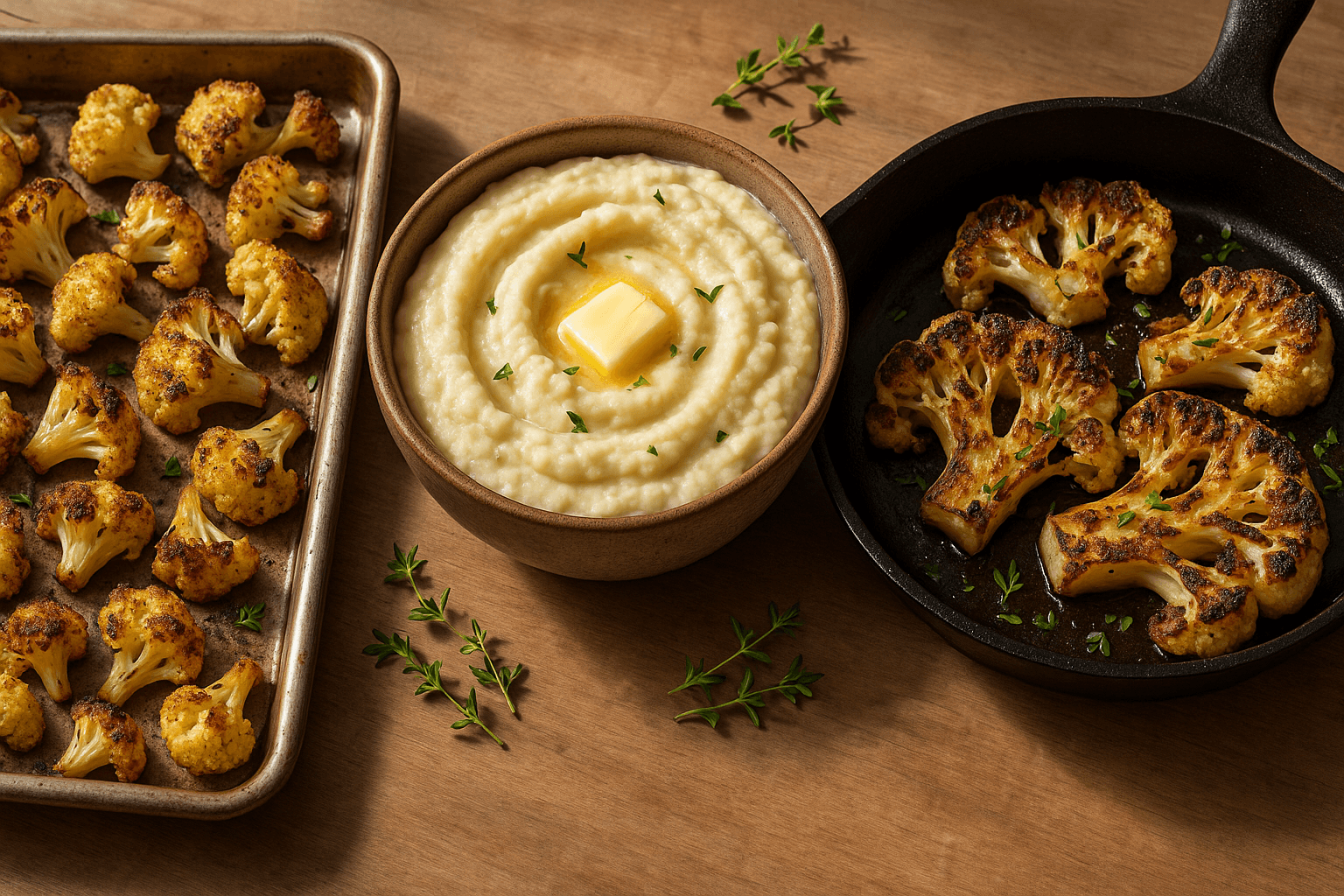
Pectin softening, sulfur aromas, salting and water management explained, with the best heat rules for roasted florets, mash and steaks.
How alcohol extracts flavor and why over-reduction turns sauces harsh, with rules for balanced pan sauces, braises and risotto.
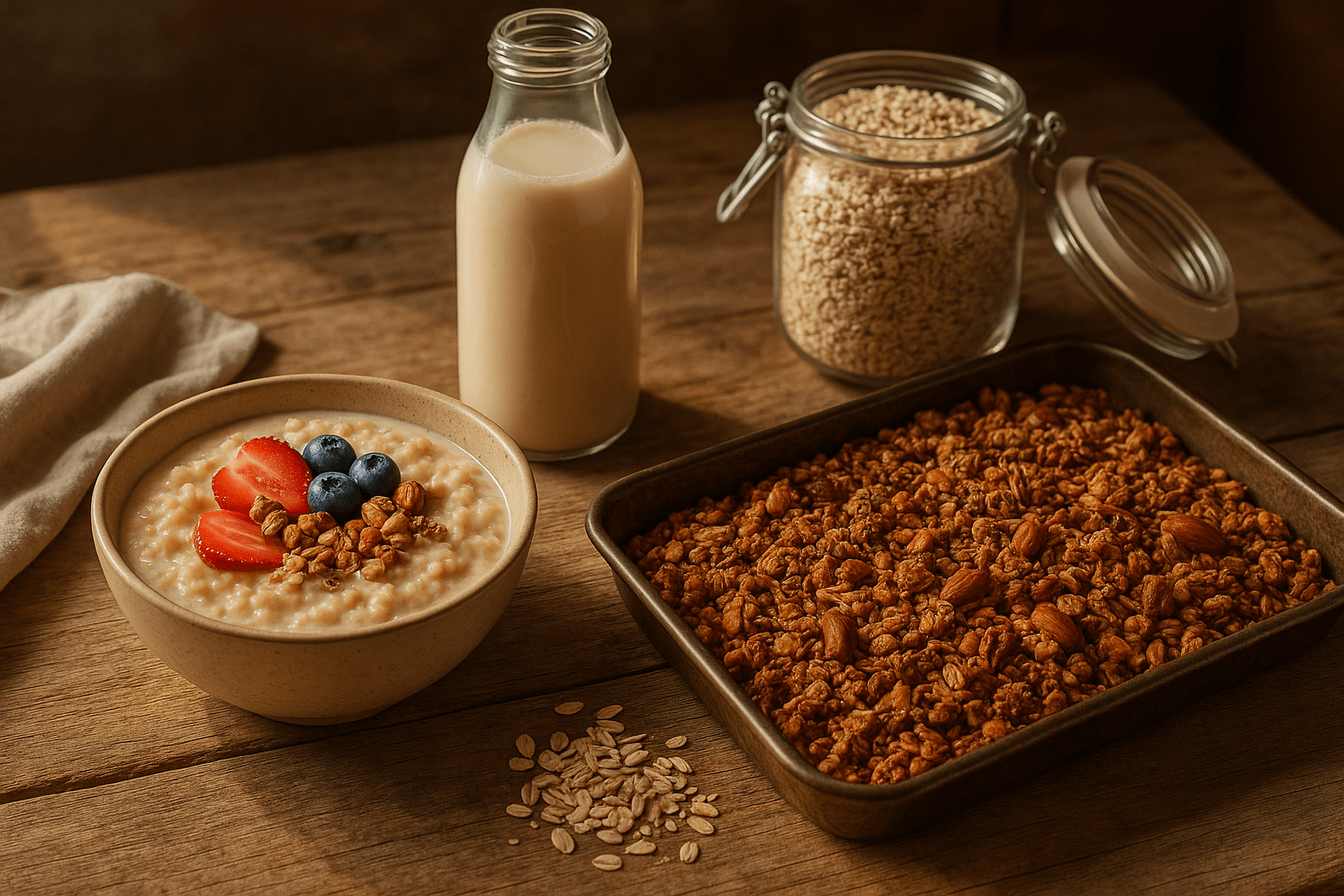
How beta-glucan gels, cut size, hydration and heat shape oats, with rules for porridge, granola and oat milk including soaking and enzyme control.
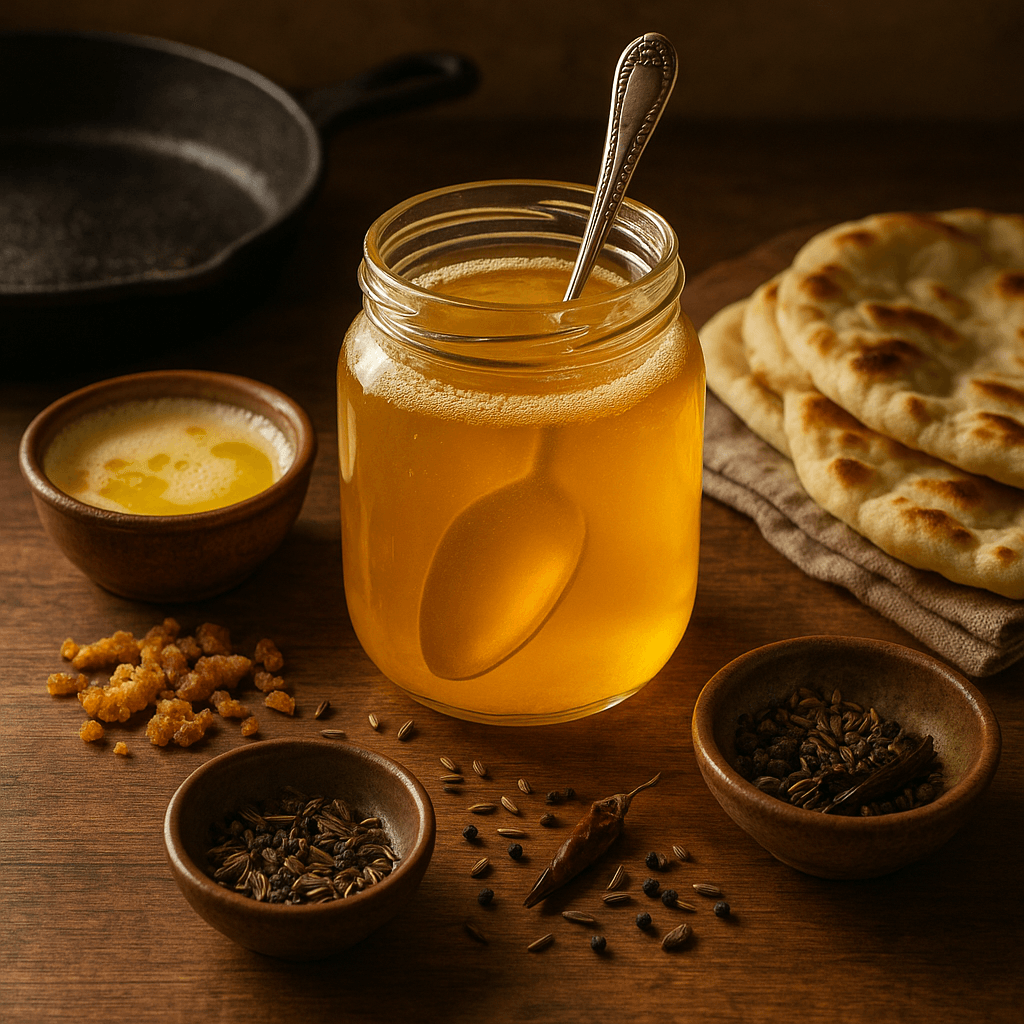
How butter separates into ghee, why browning changes aroma and smoke behavior, and rules for making, storing and using it in tarka, searing and baking.
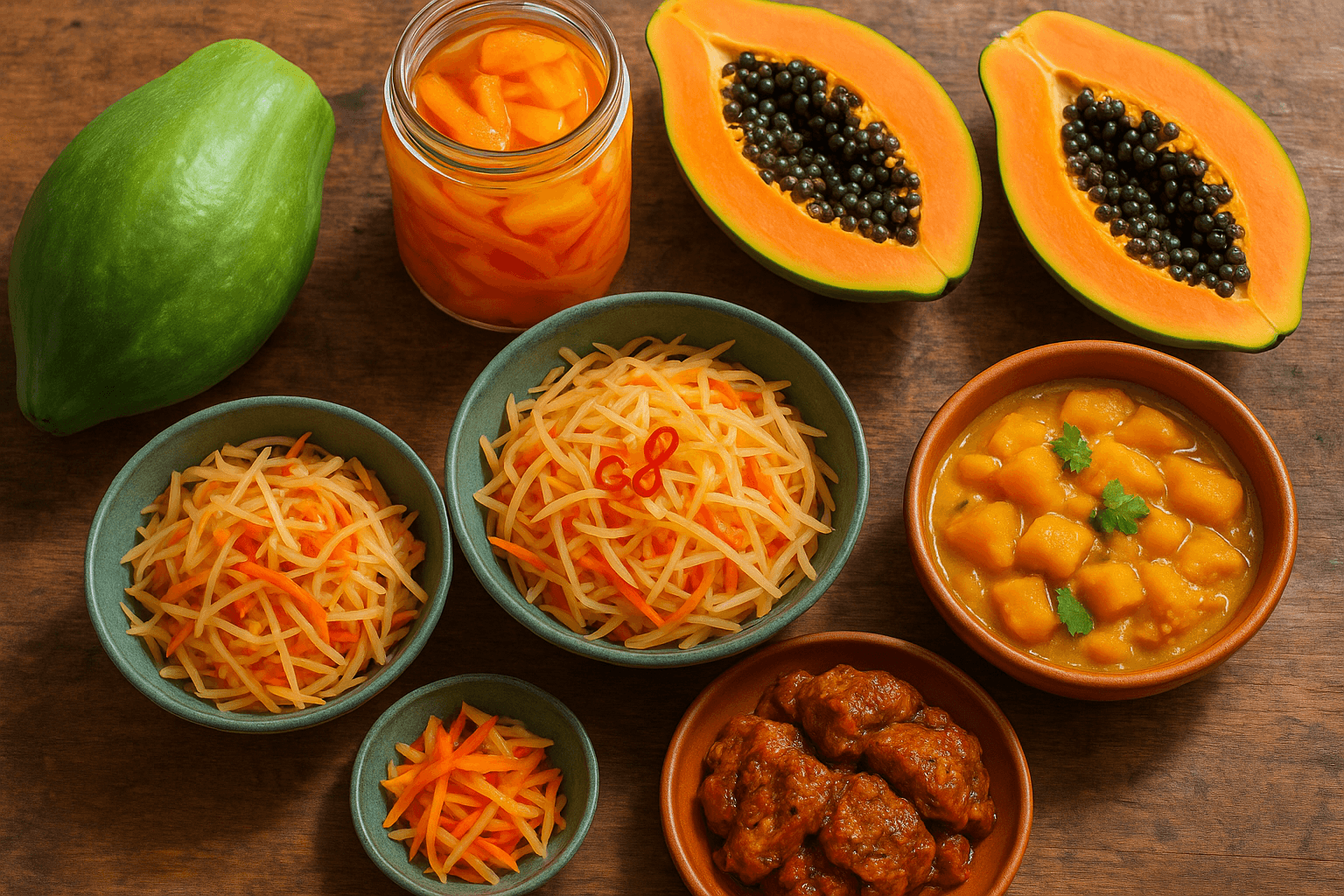
How papain, ripeness and calcium pectate behave, and the heat, acid and salt rules for papaya in curries, salads and marinades.
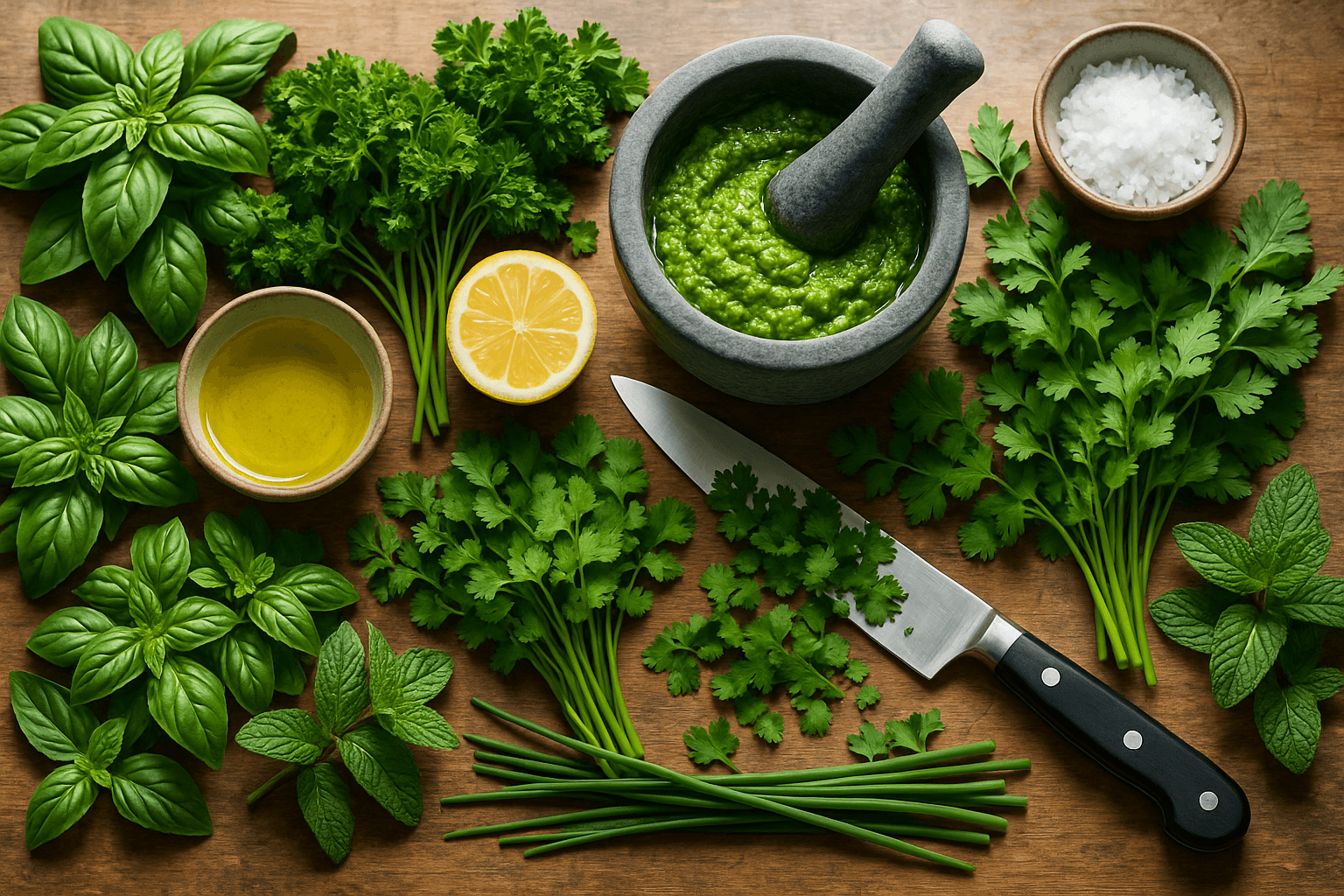
How enzyme damage and fat solubility affect basil, parsley, mint and dill, with cutting, storage and timing rules for pesto, salads and oils.