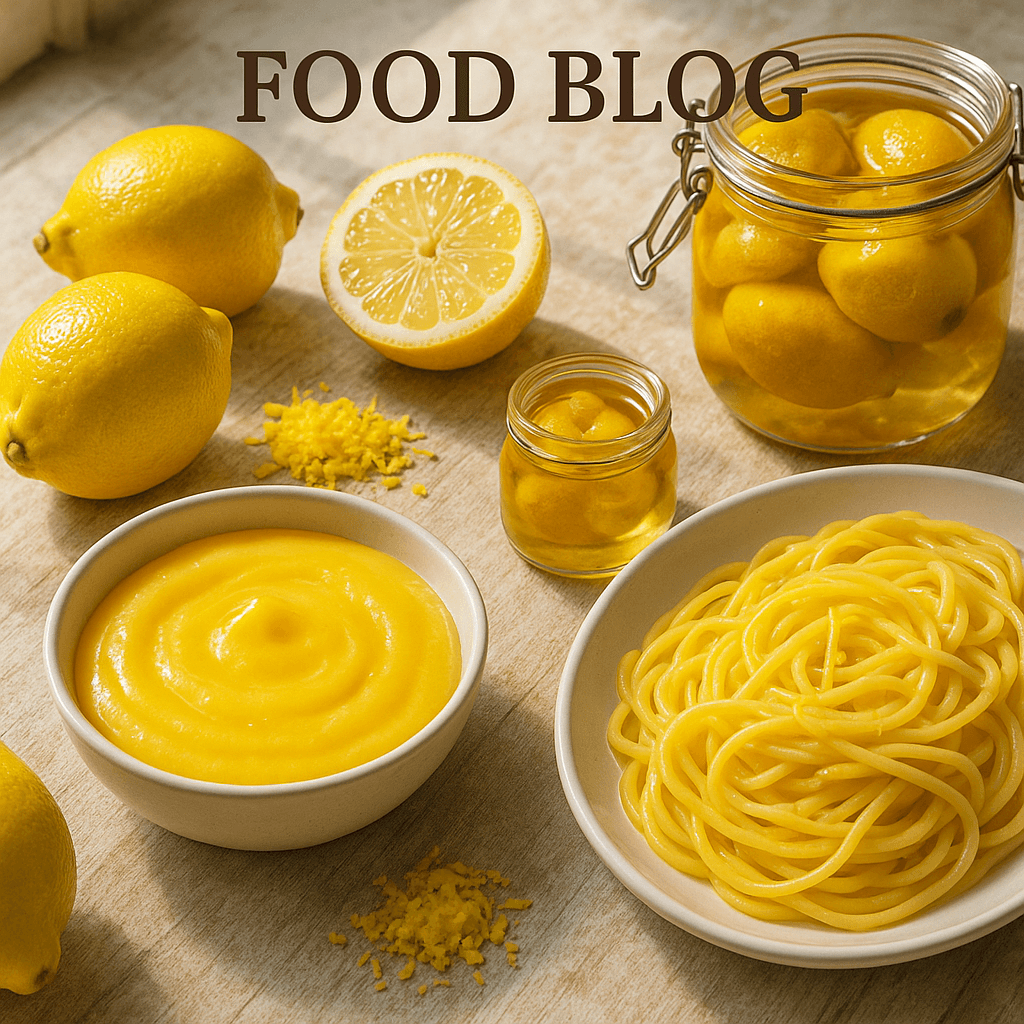
Why Lemons Taste Bright, Bitter, or Flat
How lemon acid, peel oils, pectin and heat-sensitive aromas affect curd, pasta, preserves, marinades and sauces, and when to add juice versus zest.
RecipeSimpli
22 min readExpert tips, recipe ideas, and culinary techniques to elevate your cooking
How lemon acid, peel oils, pectin and heat-sensitive aromas affect curd, pasta, preserves, marinades and sauces, and when to add juice versus zest.
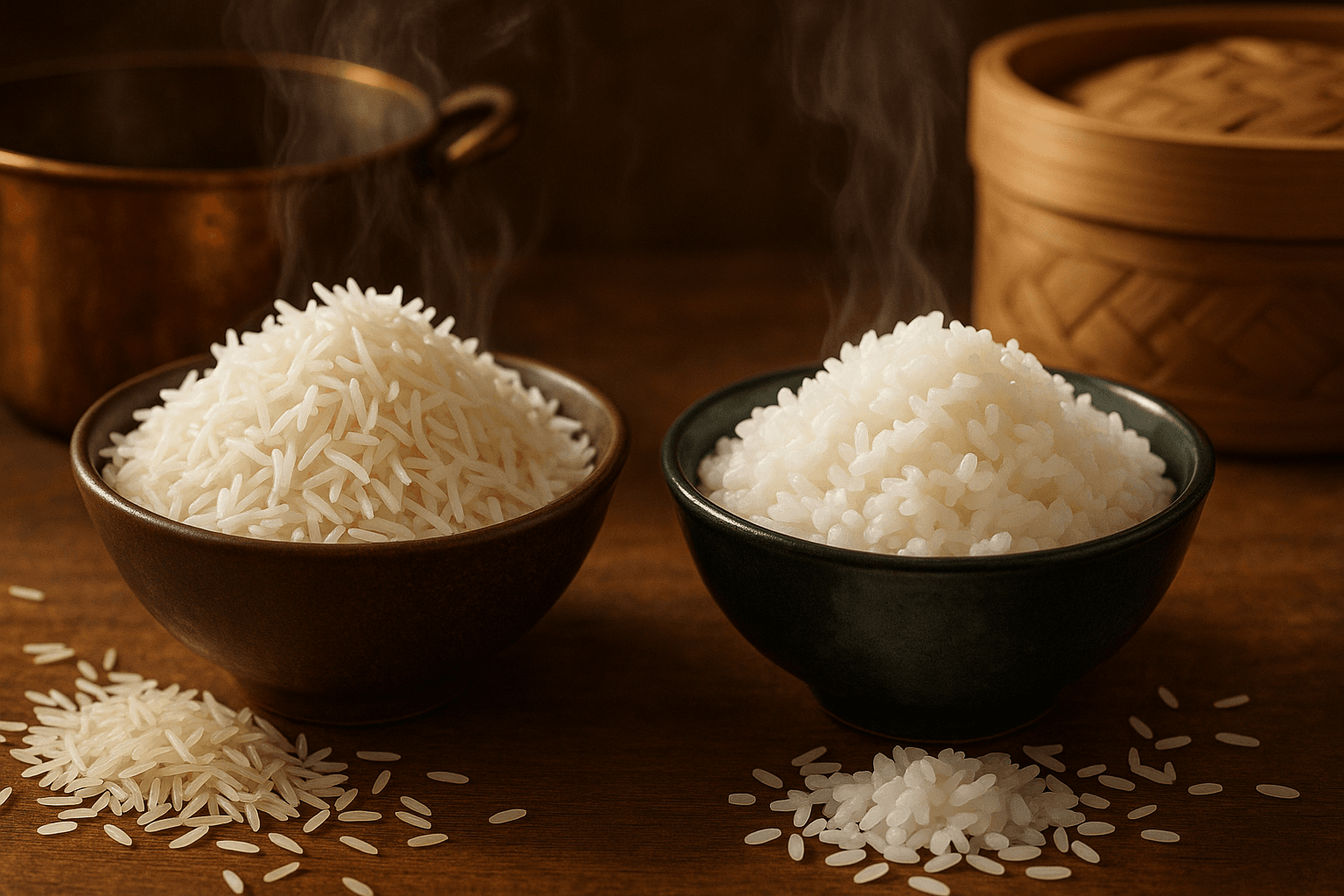
How aroma chemistry, amylose and aging differ, and the washing, soaking and resting rules for fluffy biryani, pilaf and steamed rice.
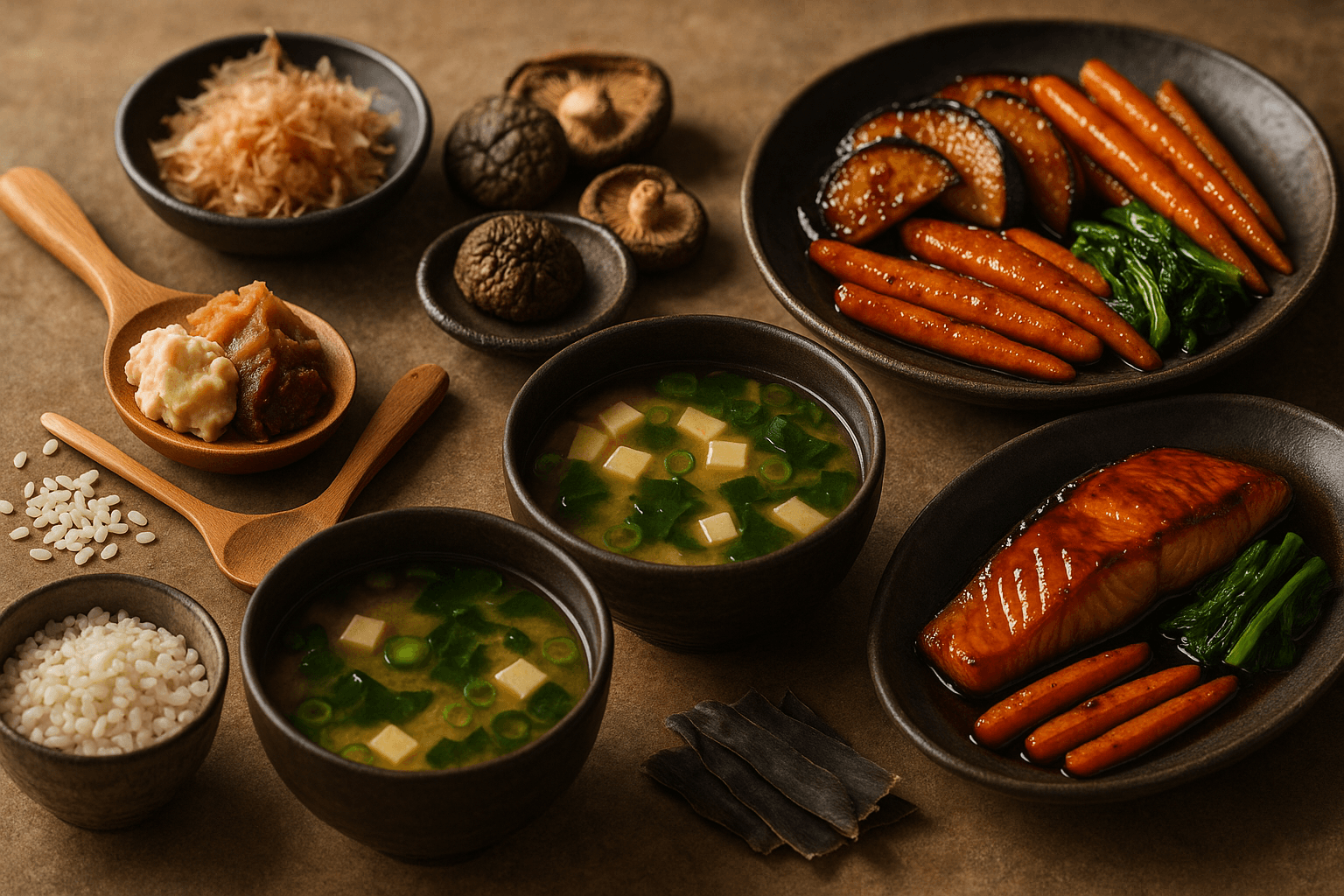
How koji enzymes, salt and heat shape miso's flavor, with practical rules for better soups, dressings, marinades, glazes and roasts. Covers when to add it.
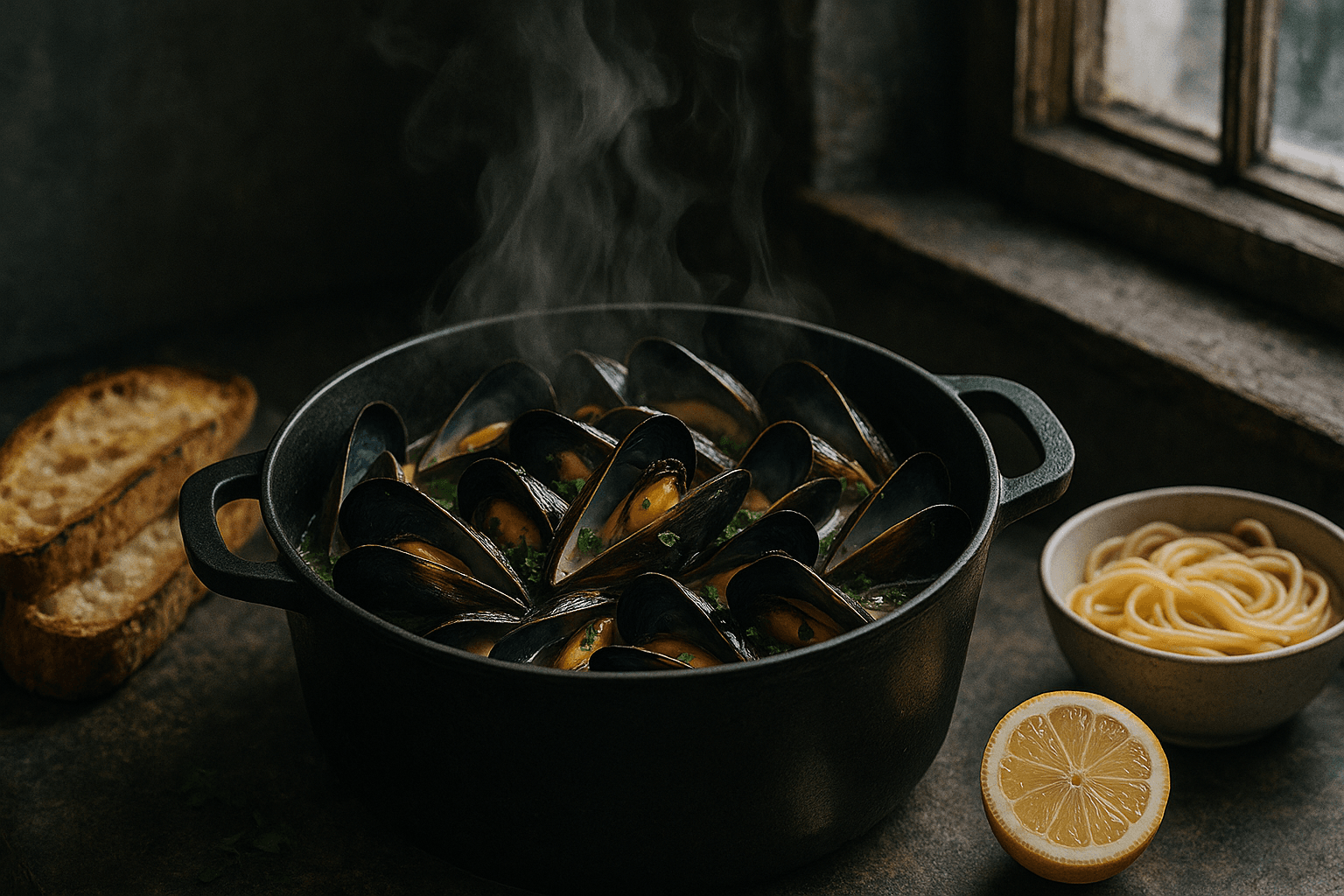
How species, season, salinity and overcooking affect mussels, with cleaning, storage, broth building and doneness for pasta and seafood pots.
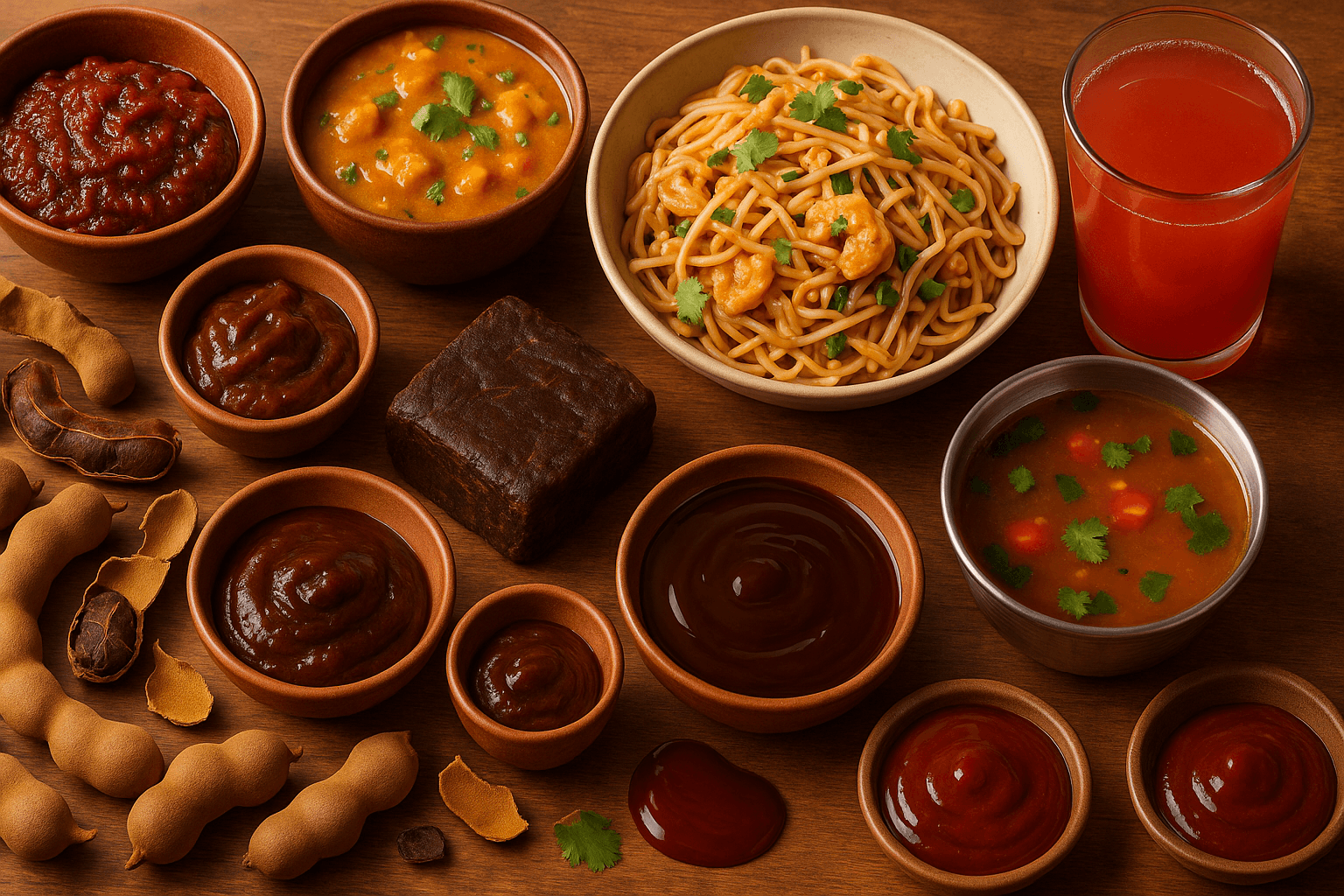
Tamarind's tartaric acidity, pectin and extraction explained, with cooking rules for chutneys, curries, drinks, glazes and marinades.
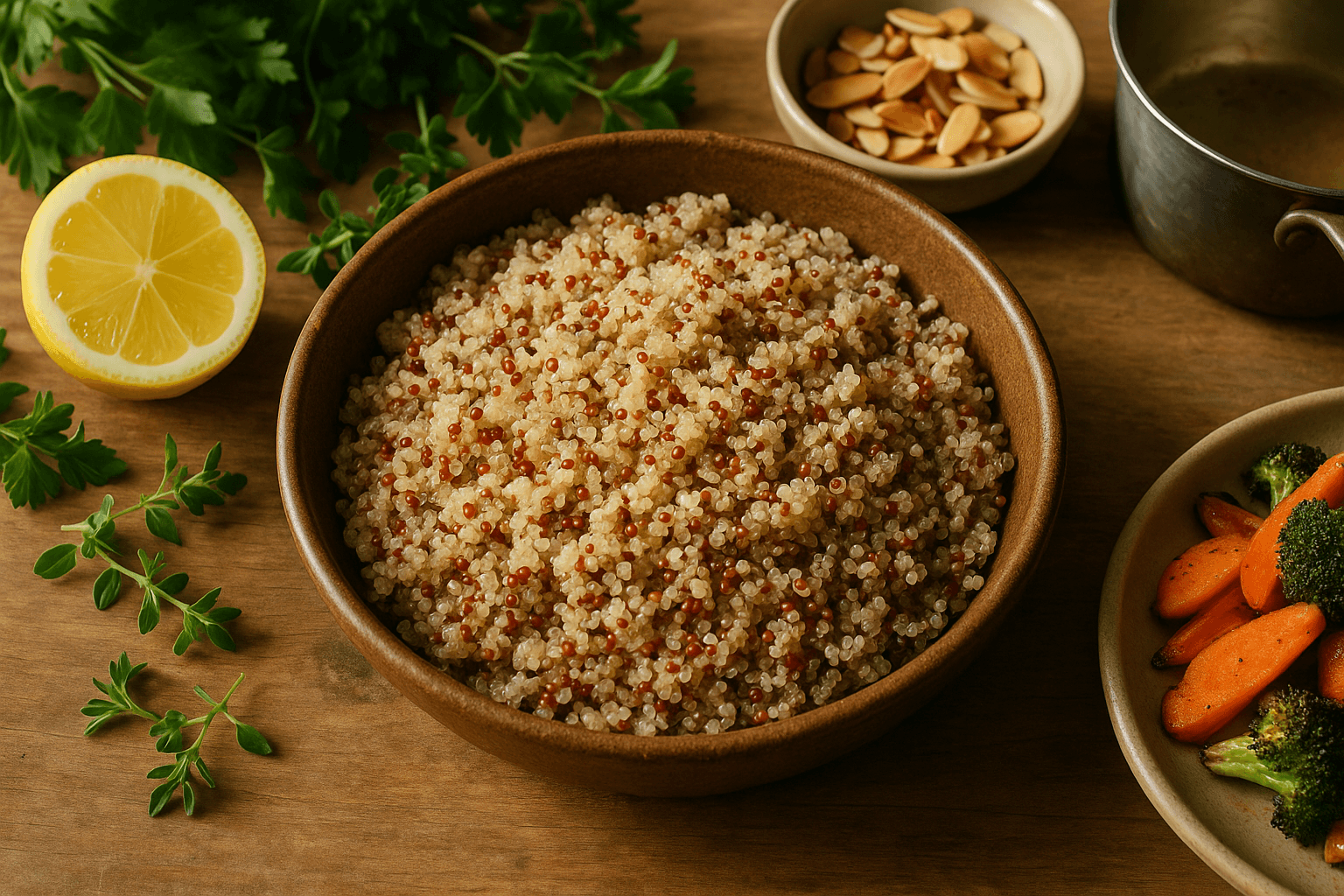
Saponins, seed structure, water ratios and steaming explained, with toasting, color and nutrition notes for better bowls, salads and pilafs.
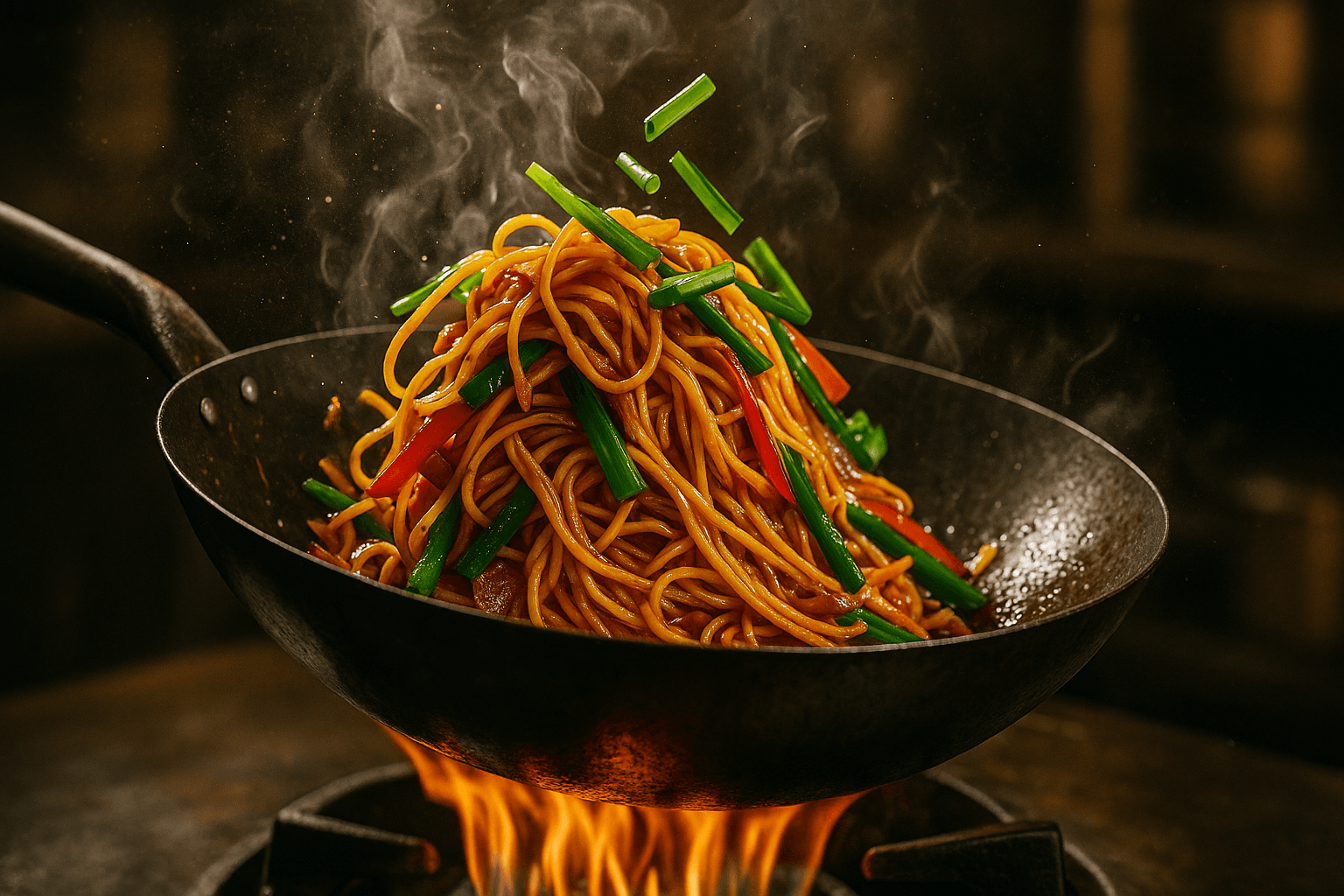
How burner power, pan shape, moisture and oil chemistry create wok hei, and practical home strategies for stir-fries, fried rice and noodles.
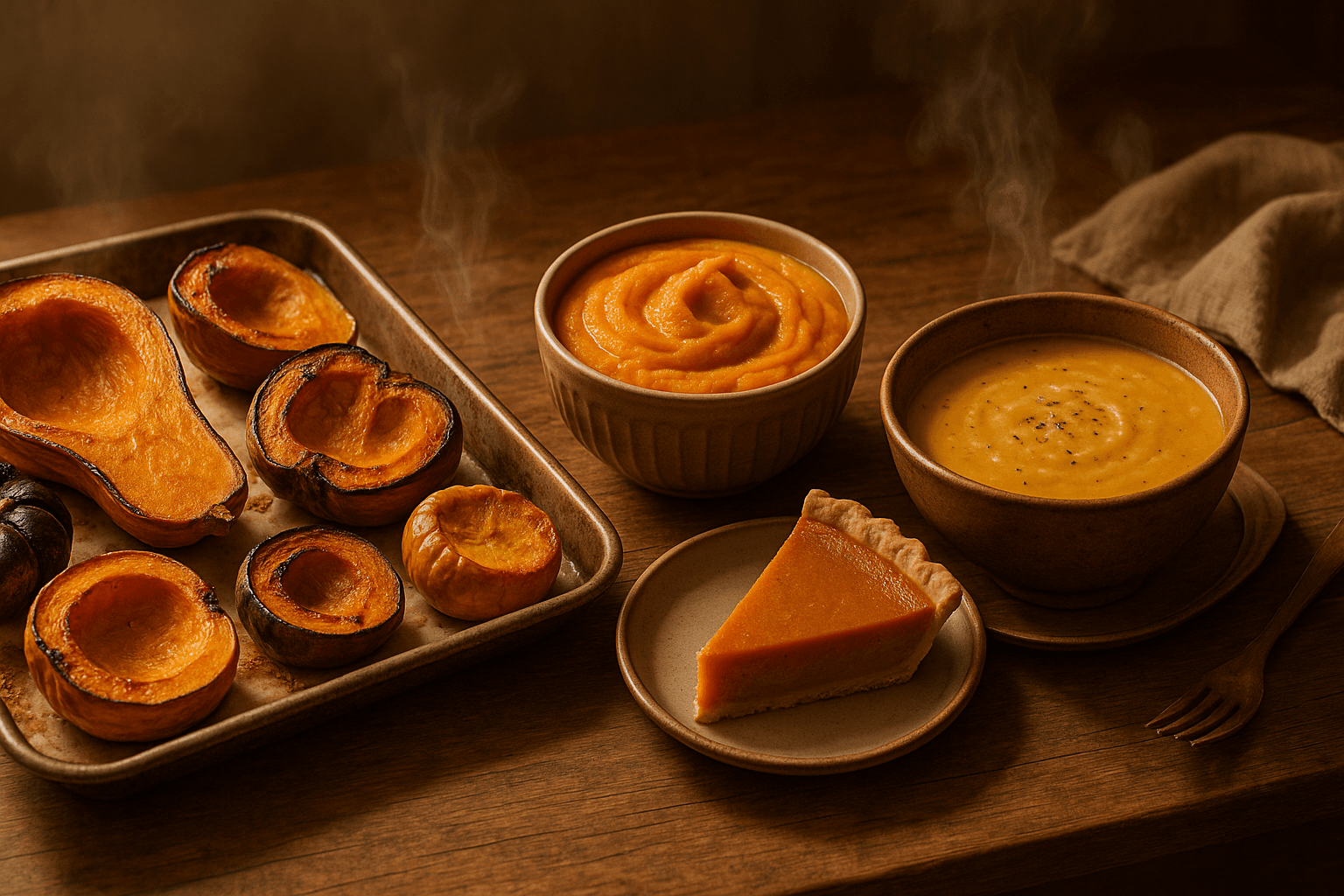
Why pumpkin and winter squash turn watery, dense or sweet, with roast-vs-steam rules for better purée, pie and soup. Covers cell-wall collapse and starch.
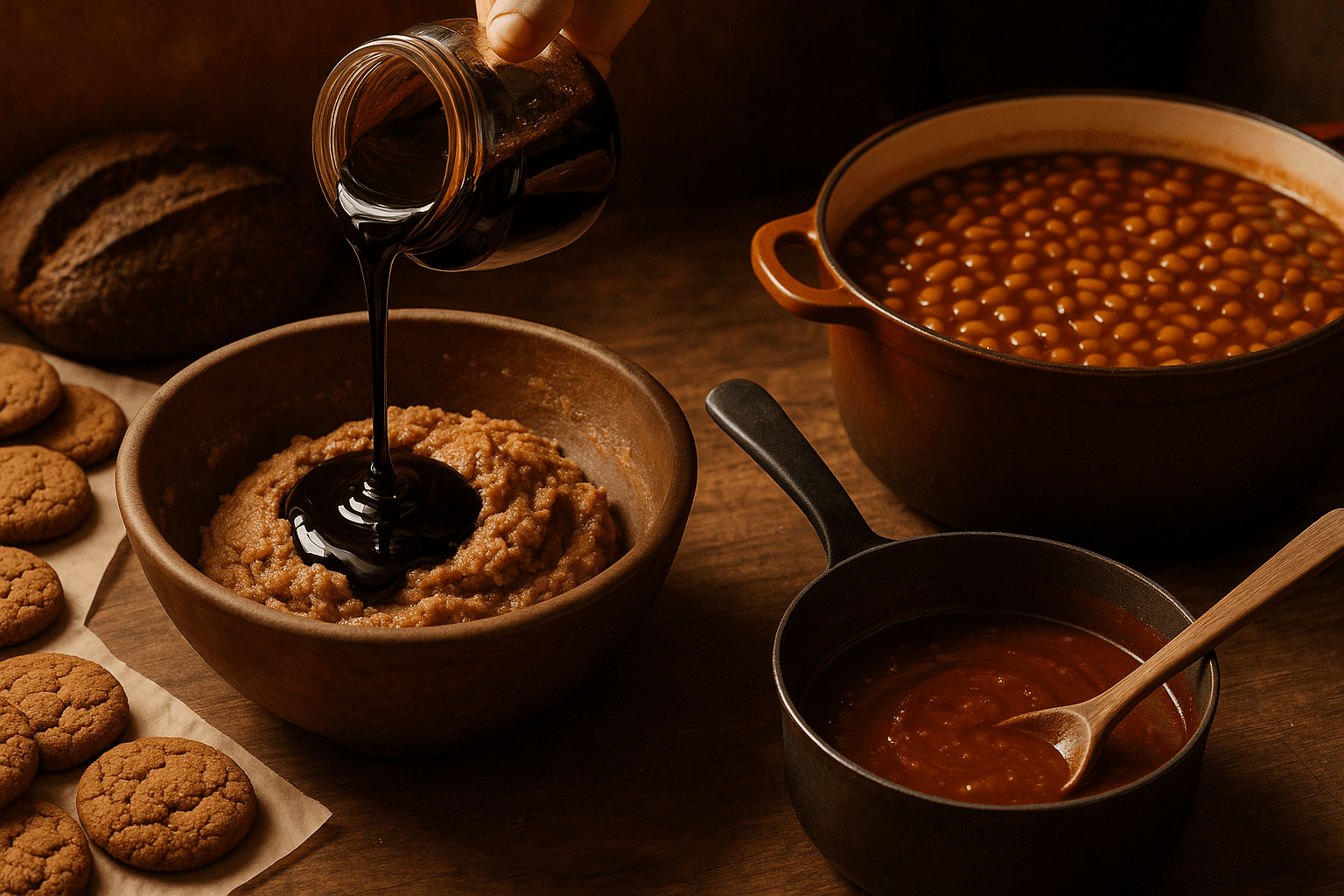
How light, dark and blackstrap molasses differ, and how timing and heat affect cookies, breads, barbecue sauce, beans and braises.
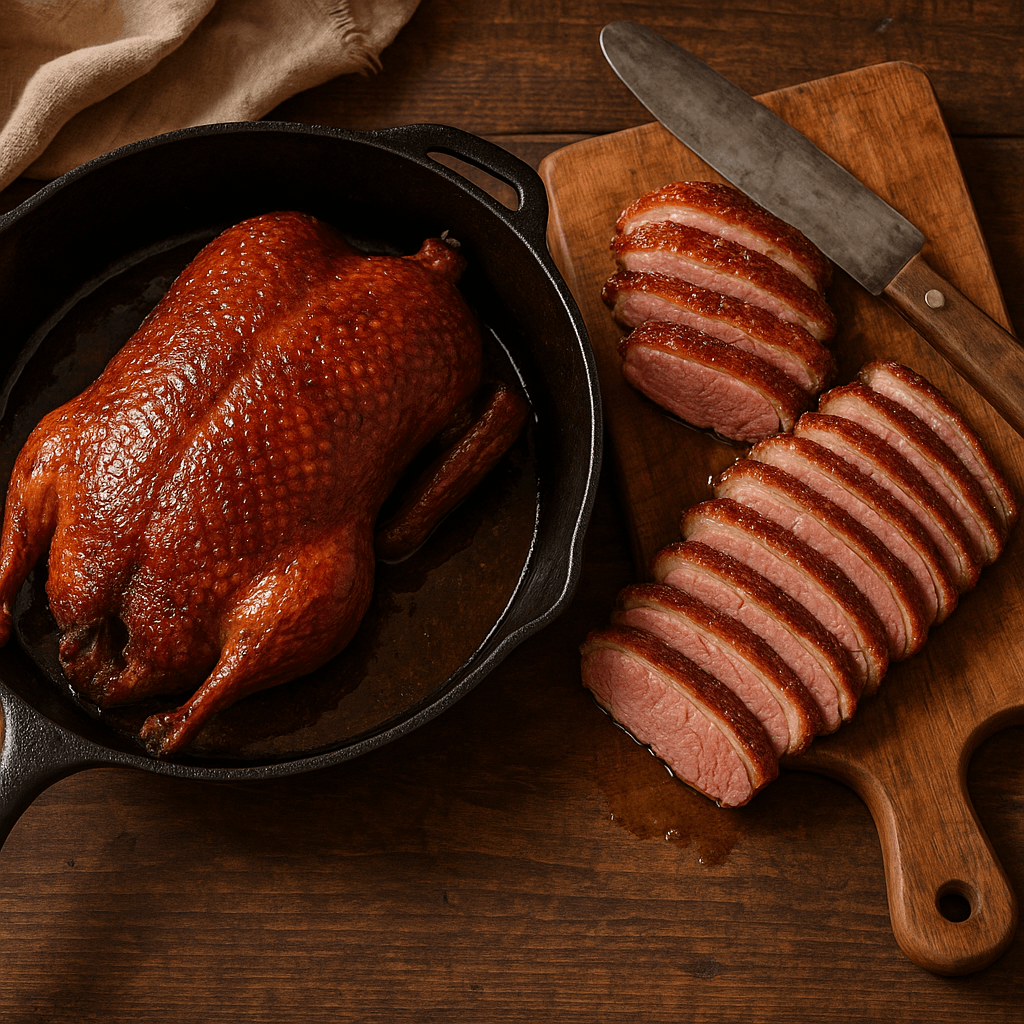
How fat rendering, skin drying, scoring, salting and staged heat make crisp duck breasts, tender legs and lacquered roast duck.
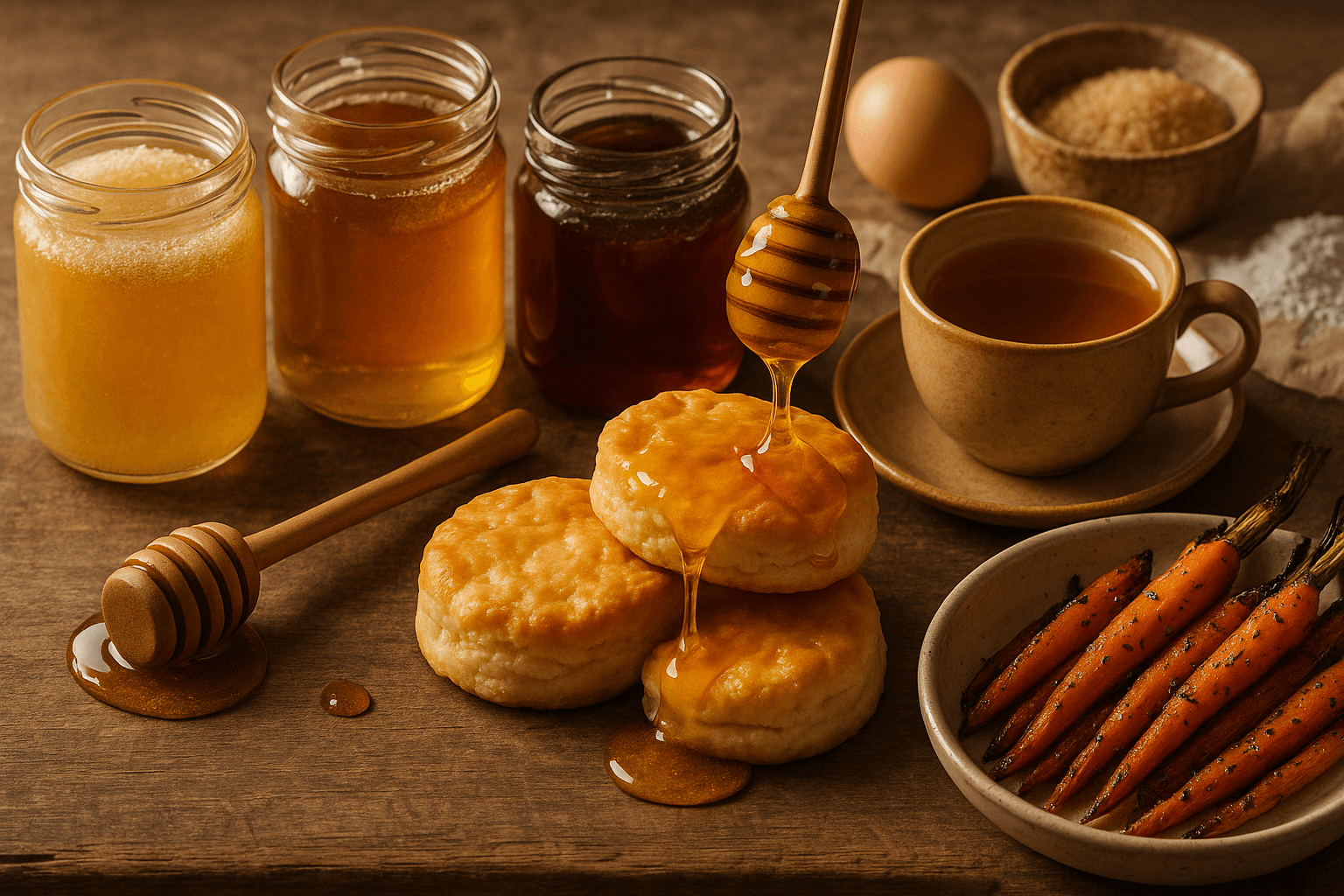
Crystallization, aroma, bitterness and heat damage explained, with baking swaps and rules for glazes and ferments, and honey myths to drop.
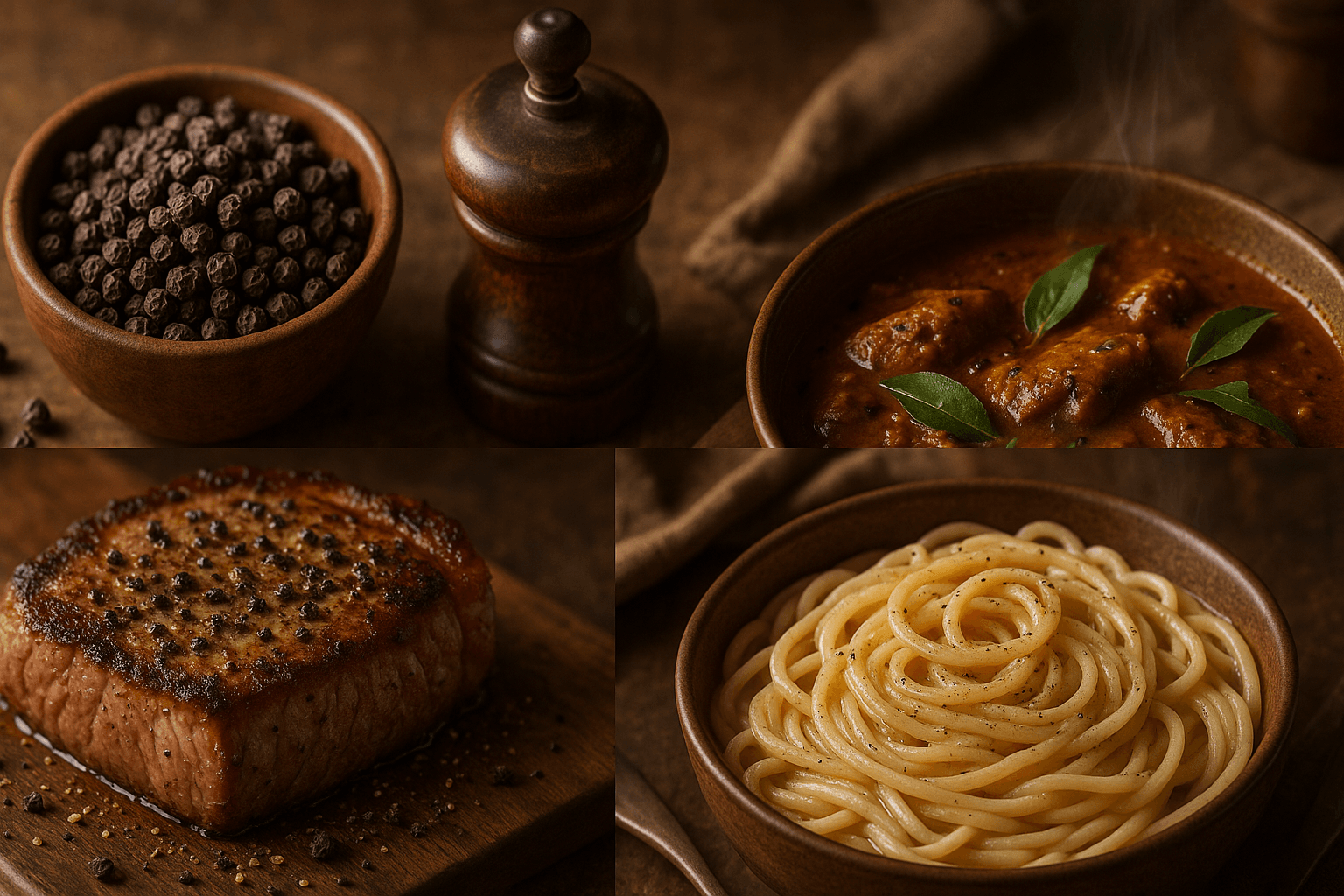
How piperine heat and fading terpene aroma work, with grind timing, blooming and use rules for steaks, cacio e pepe and curries.